A bus that goes where you ask it to — service being piloted in Limerick, Kerry, and Mayo
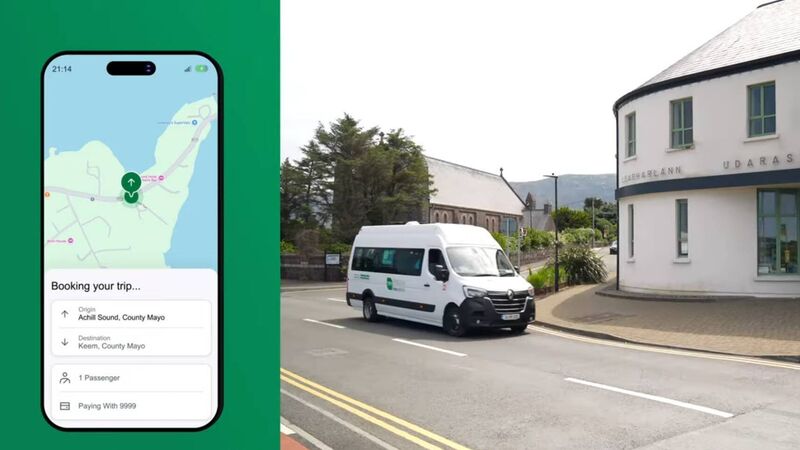
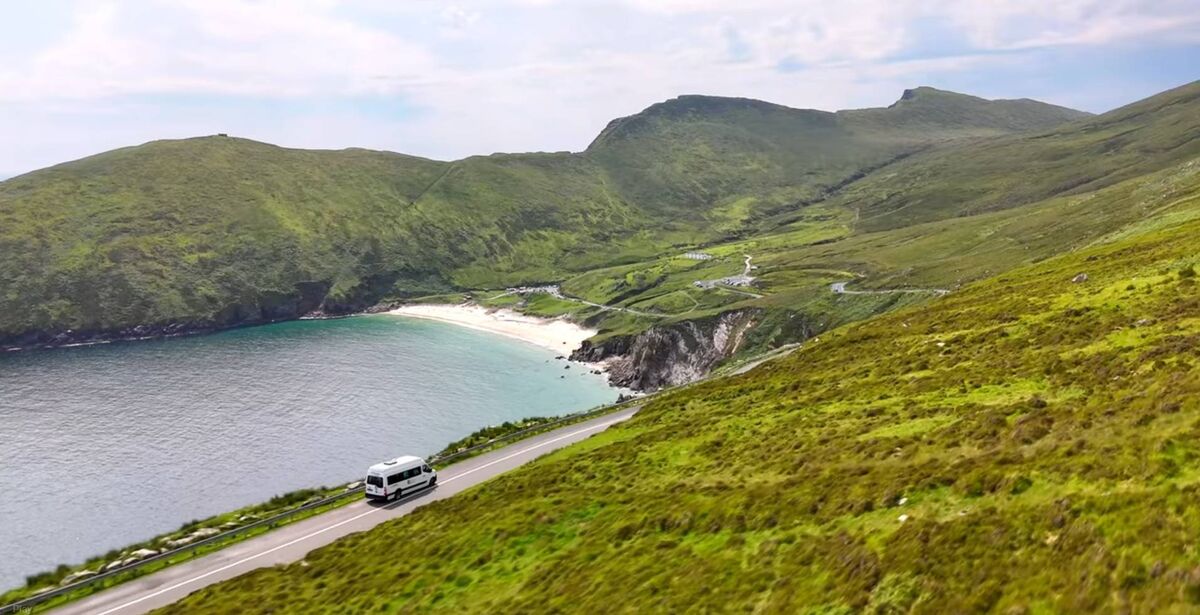
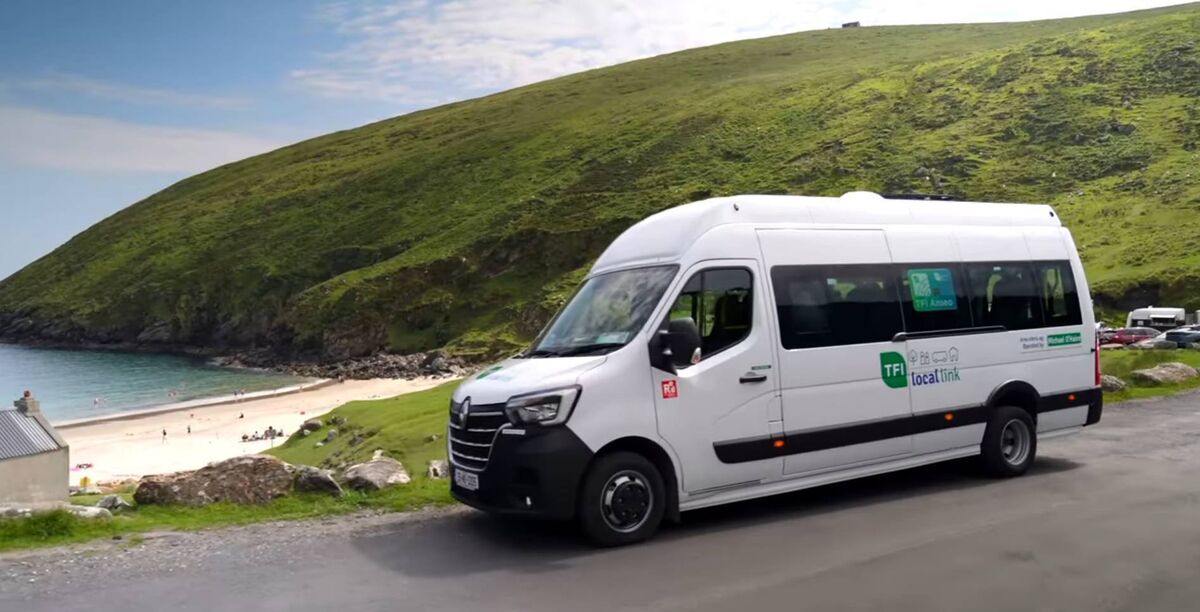
TFI Anseo is a new smart demand responsive transport service operating in Achill, Killarney and north-east Limerick city, initially
Welcome signs are emerging that when public transport is flexible and attuned to people’s needs — and also where safe cycle lanes are provided — they will step away from the car.
Getting people to opt for more sustainable modes of transport remains a tantalising challenge, nevertheless. It seems the secret, very simply, is to give them the service they want.
For example, a new, shuttle bus service being piloted by Transport For Ireland (TFI) in Limerick city; Killarney, County Kerry, and in Achill, County Mayo, is reportedly getting an encouraging response.
Using an App, people can book a bus to pick them up from a location. The bus doesn’t follow a fixed route, but takes passengers wherever they need to go within the service area. Operating from 6am to 11pm, people use it for many purposes, such as getting to work, GP surgeries, or even the pub.
A major cultural shift is needed, however, to change our transport habits. A recent survey conducted for Engineers Ireland found that four out of five adults do not use public transport on a typical day and the population is still hugely reliant on car travel.
Reasons cited for not using public transport include: a lack of nearby connections, unsuitable timetables, and a preference for travelling in personal space.
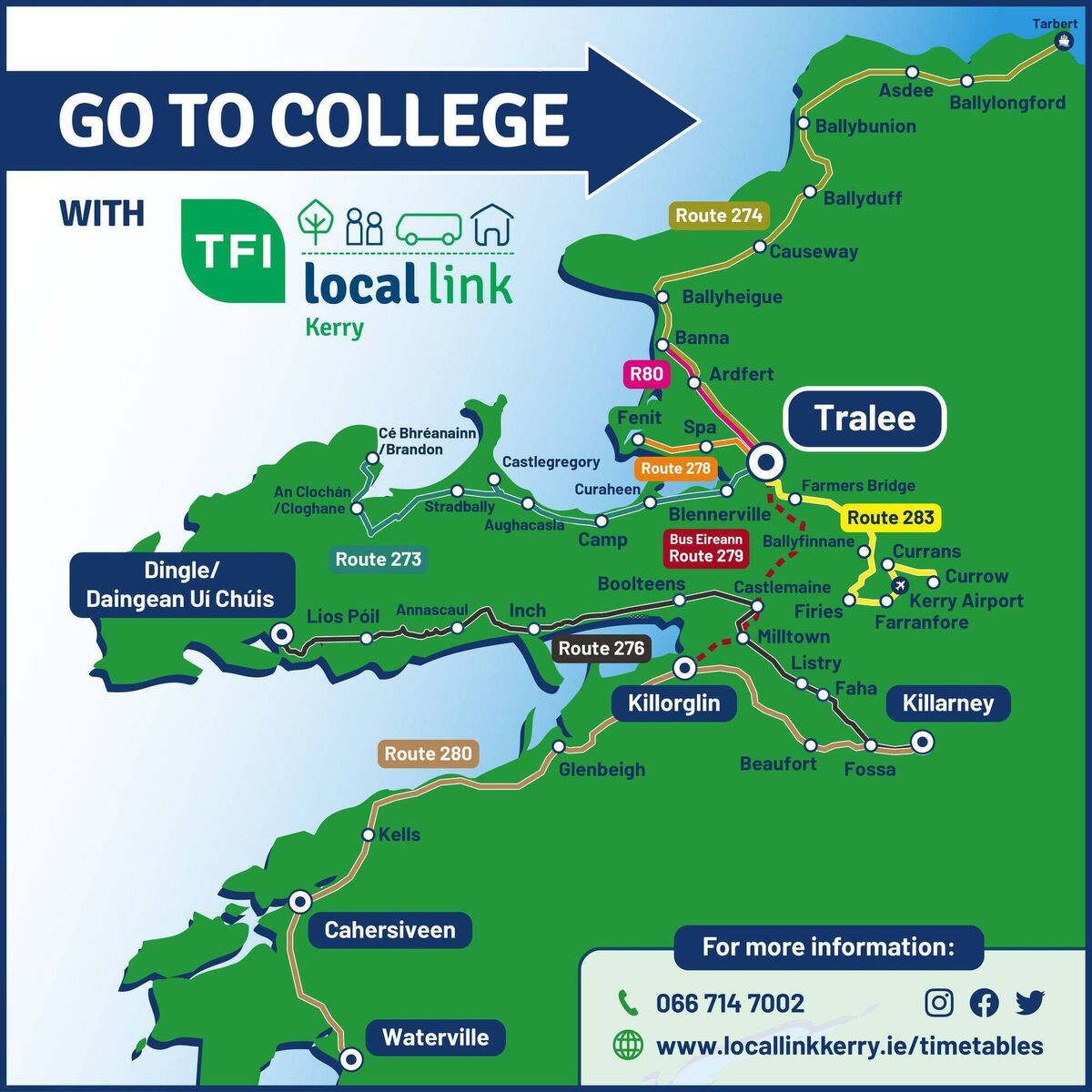
Many rural areas do not have adequate public transport. More than 80% of rural respondents, and 74% of urban folk, felt cycling to be unsafe, while 64% of adults said they never cycle.
Given that 14 cyclists were killed on Irish roads, last year, and many more seriously injured, people are understandably unhappy about biking on public roads, especially in the absence of designated cycle lanes and wider margins.
One thousand people were surveyed on behalf of the engineering body by Amarach Research. A previous National Transport Authority survey is apposite: it showed 71% of all trips here are by the car. Buses make up just 4%, and trains, including DART and Luas, a meagre 1%.
Calling for more Government investment in sustainable transport, Engineers Ireland director general, Damien Owens, said: “Our research reveals that public transport is not meeting people’s needs and safety concerns are holding back active travel."
Meanwhile, TFI said the pilot service is performing well, in Killarney, and passed a significant milestone in December, having carried more than 20,000 passengers in its first four months.
A TFI spokesperson reported a strong take-up from both residents and visitors to Killarney which has chronic traffic congestion.
A full review of the seven-day service, to be carried out at the end of 12 months, will decide its future.
CONNECT WITH US TODAY



Be the first to know the latest news and updates


![<p> The International Union for the Conservation of Nature says that “an ecosystem is collapsed when it is virtually certain that its defining biotic [living] or abiotic [non-living] features are lost from all occurrences, and the characteristic native biota are no longer sustained”.</p>](/cms_media/module_img/9930/4965053_12_augmentedSearch_iStock-1405109268.jpg "<p> The International Union for the Conservation of Nature says that “an ecosystem is collapsed when it is virtually certain that its defining biotic [living] or abiotic [non-living] features are lost from all occurrences, and the characteristic native biota are no longer sustained”.</p>")
