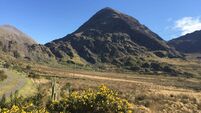
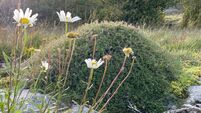
The Pigeon Hole Loop is a great location for a walk on a 'fine soft day'
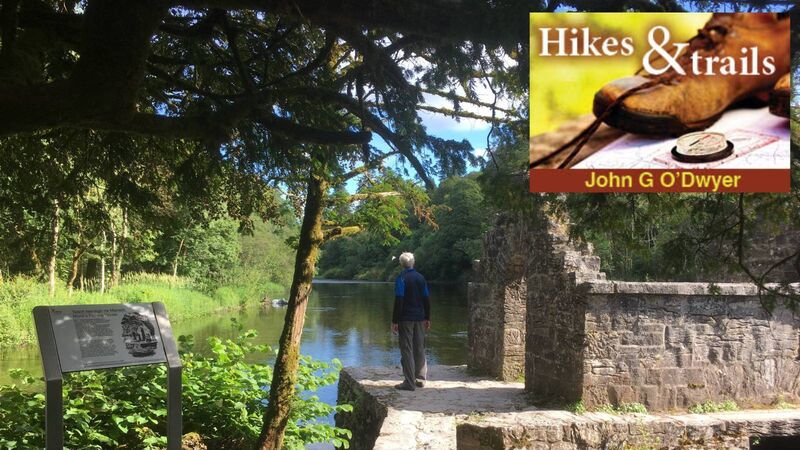
Hikes & Trails: Pigeon Hole Loop
In the 1930s and 1940s, movie-making was dominated by the Hollywood studio system. Films were created to a formula. Put together as assembly line productions, they were mostly shot in the controlled environment of huge sound stages, sometimes with specially built sets. Actors and crew involved in making a movie, which was supposedly set in an overseas location, could conveniently return to their Californian homes each evening. Classics such as were shot inexpensively under this system, with great acting and high production values, but little authentic feel for location.
During this period, John Ford, whose parents hailed from the West of Ireland, became one of Hollywood’s most influential filmmakers. Winning Oscars as best director for classics such as , and , he continued to harbour one further ambition. Ford wanted to make a film based on — a short story by well-known Irish author Maurice Walsh. And he wanted to do this on location in Ireland.
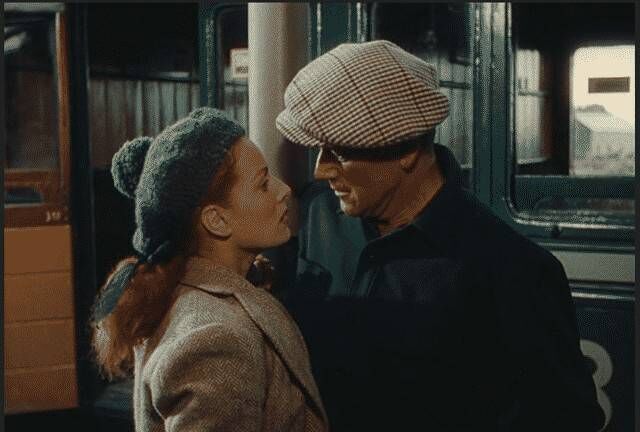
Even for the renowned film director, this was no easy task. Movie moguls of the time were notorious penny pinchers and control freaks. Even though filming abroad added realism and gave directors more artistic licence, they viewed it as vastly more expensive, difficult to manage and filled with uncertainties such as weather.
Despite John Wayne and Maureen O’Hara having committed to , the major studios turned down Ford’s funding pitch.
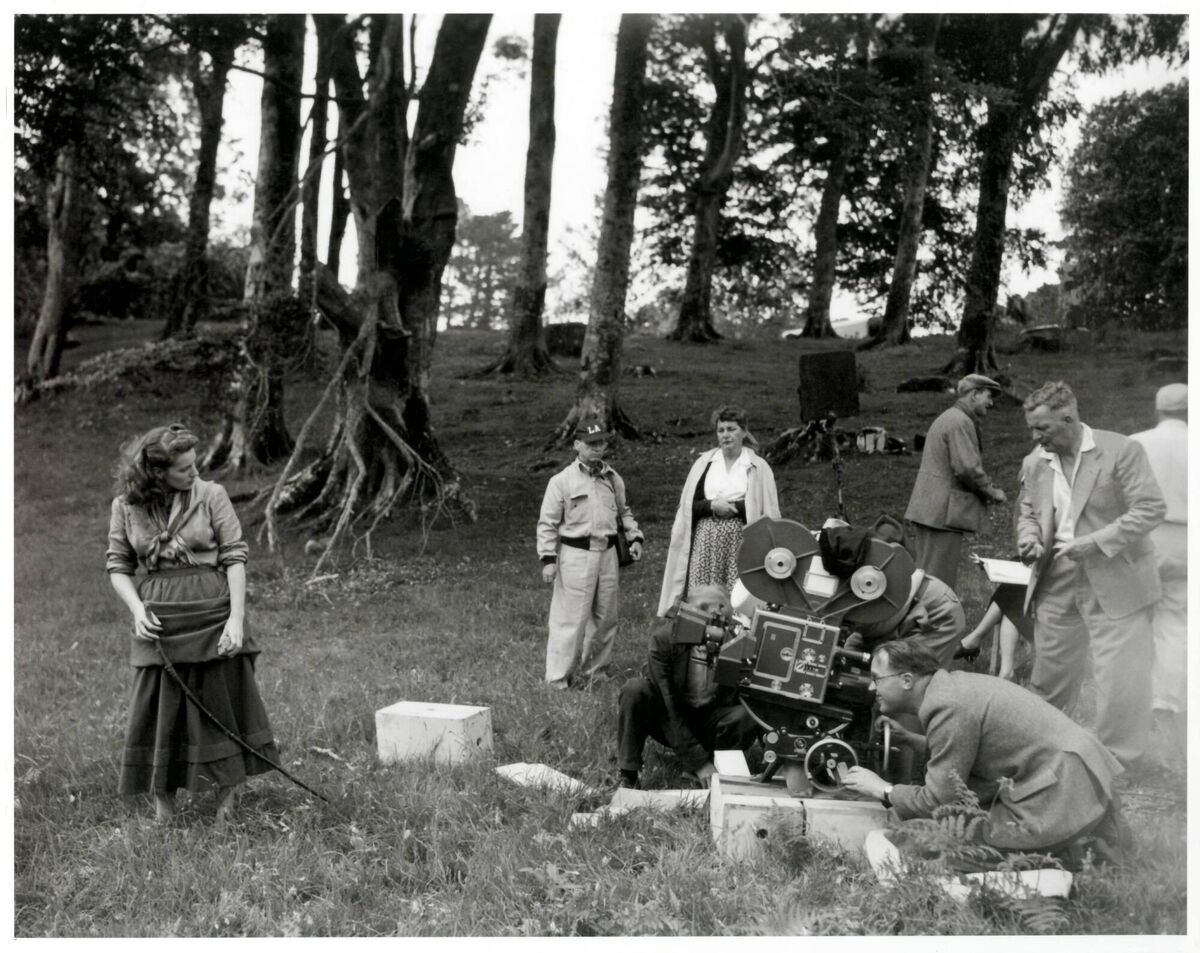
In the end, the smaller Republic Studios agreed to finance the project, but only if Ford initially completed another movie to cover the expected losses with filming in Ireland. A western titled was made and proved a moneymaker. Soon after, the cast and crew were in the Emerald Isle and based in Ashford Castle where weather conditions were surprisingly favourable for the shoot.
There is little doubt that the resultant movie was an extravagant excursion into stage Irishness and a cliché from start to finish. Yet it remains one of the most enduringly popular movies of all time. The reason, I guess, is that audiences understand it was never intended as a commentary on Irish life. Rather, it is a sentimentalised view of an Ireland that never really existed but was created for Ford by his storytelling parents.
Ever since, the movie has been loved by a misty-eyed diaspora as Ford used his genius for innovative cinematography to capture the dreamy beauty of a magical landscape. Rewatching the movie, I concluded that if viewed as a journey into the imagination of a second-generation Irish immigrant, it works admirably.
All this prompted me to embark on my own sentimental excursion to Cong, County Mayo, around which much of the movie was filmed. Located on an isthmus between Loughs Corrib and Mask, I immediately found it easy to see how Cong came to be viewed by Ford as the quintessential Irish village.
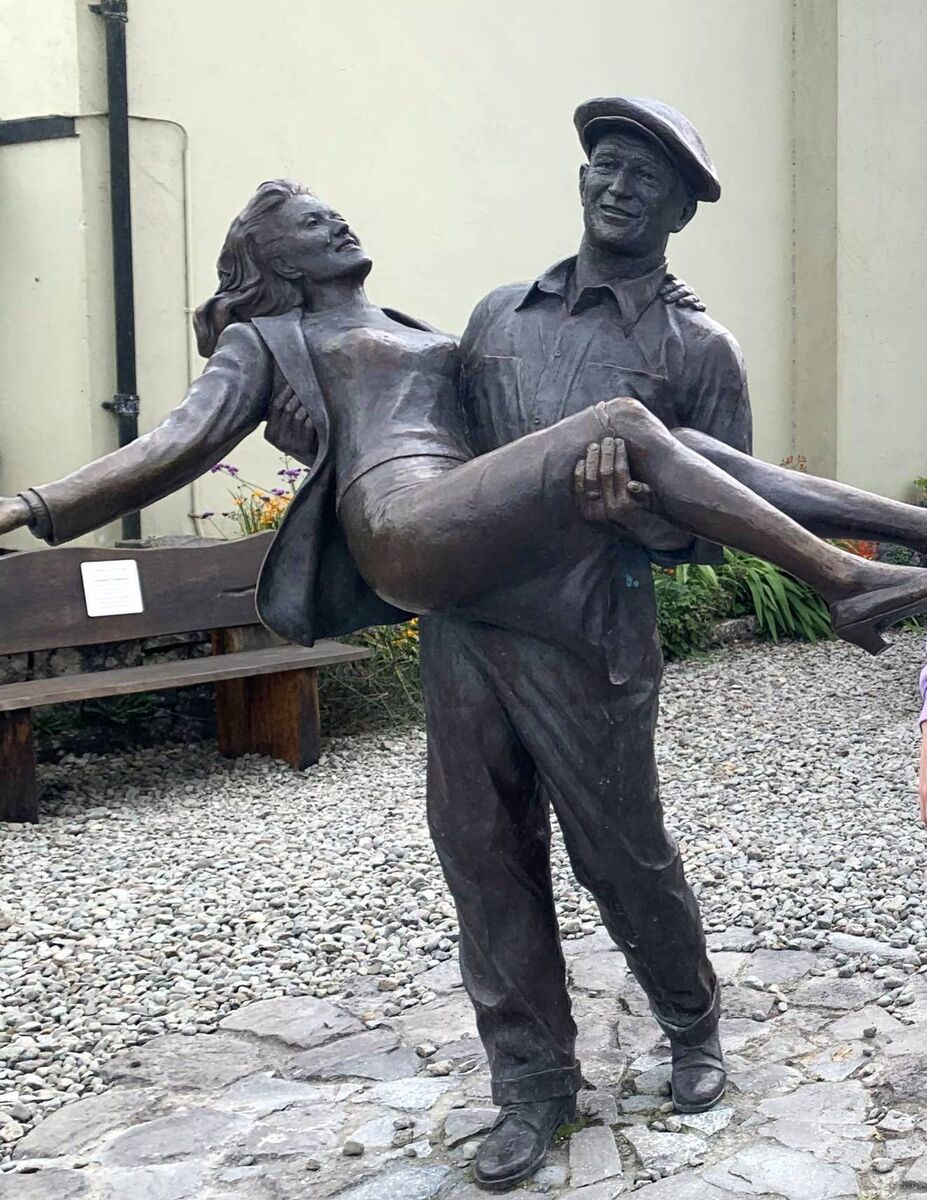
After coffee in Pat Cohan’s bar, where part of the famous fight scene with Victor McLaglen was filmed, I ambled down the street to view the iconic statue of Wayne and O’Hara by sculptor Mark Rode, which today is a mecca for selfie seekers.
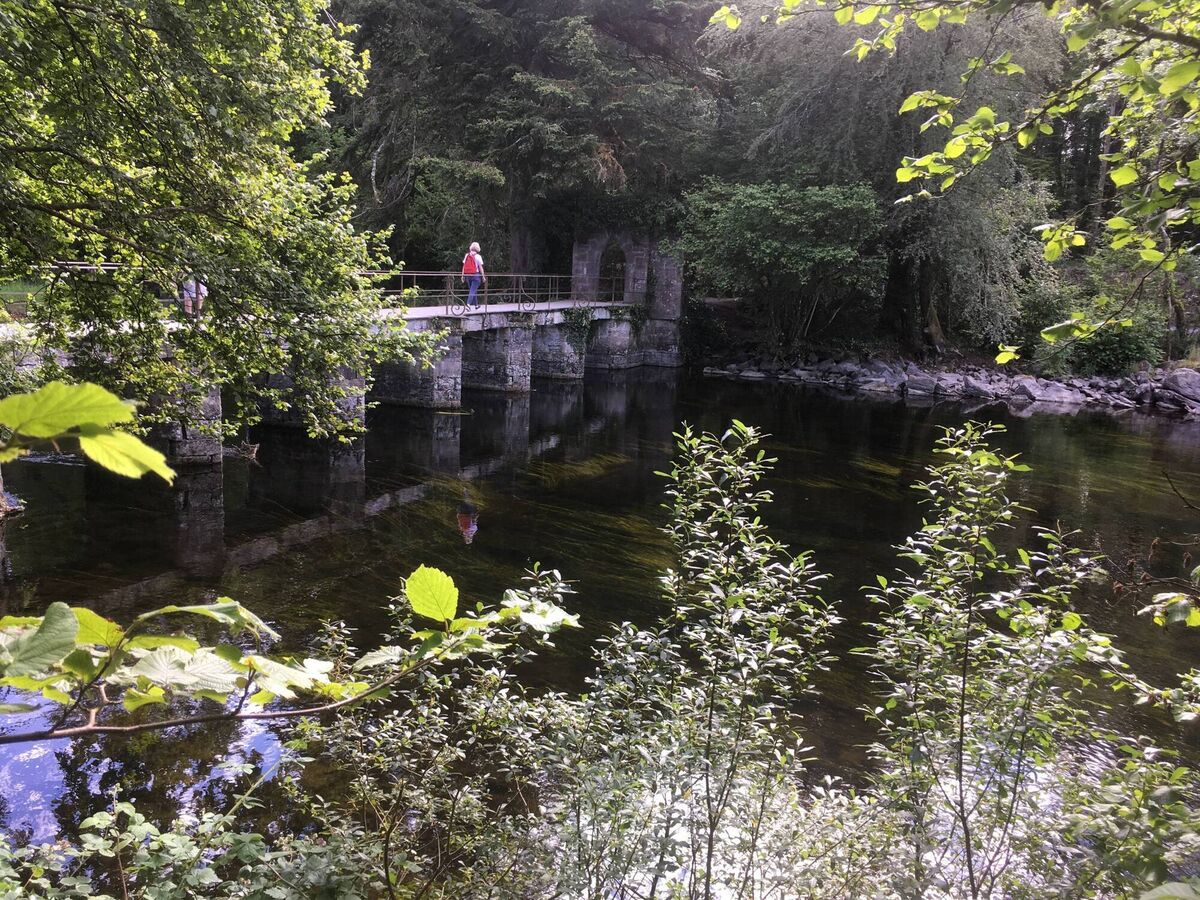
Having joined the red arrows for the Pigeon Hole Loop, it was on through Cong Abbey, an Augustinian foundation whose claim to fame is that Rory O’Connor, Ireland’s last high king, died there in 1198. Beyond is a pretty, castellated footbridge over the Cong River, where another scene from the movie was shot. Beside it, I explored an odd-looking building that was used by the abbey monks as a fishery.
Onwards then through woodlands, which were once part of the 26,000-acre Ashford Estate owned by the Guinness family. Following walking arrows beneath a canopy of green, the route traversed a convenient tunnel beneath the Cong/Cornamona road.
Further on, I descended into the darkness of Pigeonhole Cave to see the subterranean river that drains from Lough Mask into Lough Corrib and is reputedly the abode of a magical trout. Afterwards, the trail galloped on past a ruin known as the priest’s house and by a woodland path skirting the edge of the Ashford Castle Estate. This led back to the banks of the Cong River.
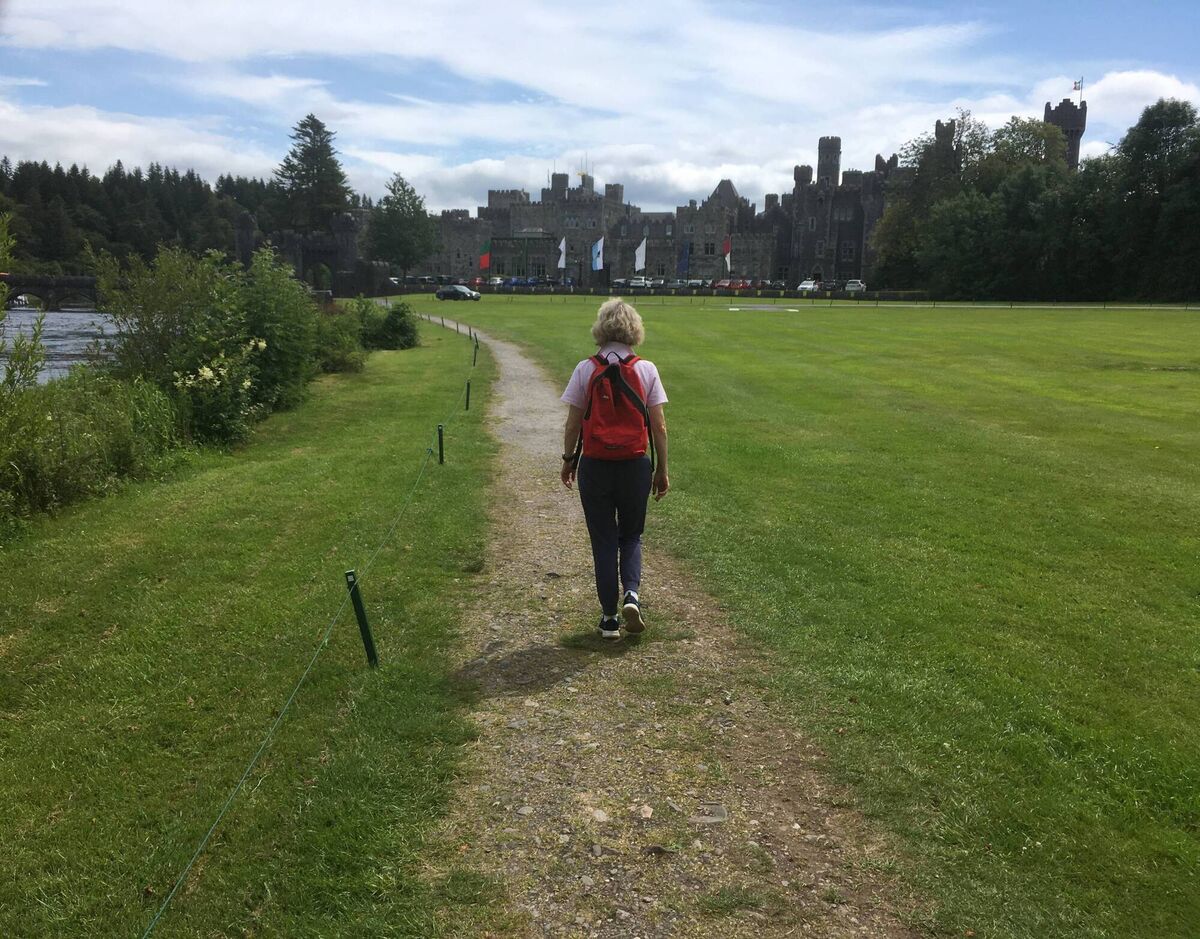
Here, the right-hand option leads along the riverbank to the grounds of the castle. If you take this choice, you may be required to shell out for the privilege of entering the estate. This expense could prove worthwhile, for the gardens are indeed magnificent and you can visit another film location (Squire Danaher’s House).
Today, I opt for the less expensive option, leading past languid anglers to Cong Village, and then concluding my walk with a welcome bite in the atmospheric surroundings of the Hungry Monk Cafe.
Starting from the village of Cong, the Pigeon Hole Loop is a charming, unchallenging stroll of 4.5km that takes about 1.5 hours to complete.
- The latest edition of John G O'Dwyer's book [Currach Books] is out now.
CONNECT WITH US TODAY



Be the first to know the latest news and updates