Climate change and deforestation helping mosquitos thrive
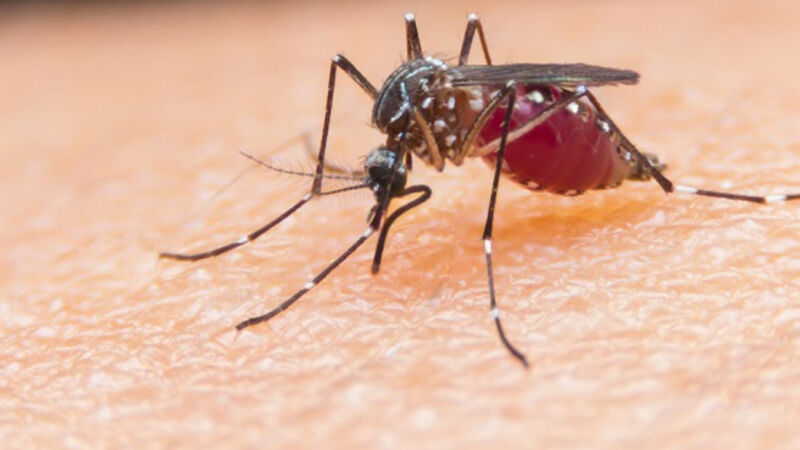
Female mosquitos need a blood-meal to form eggs. With few humans living on Brazil’s Atlantic fringe long ago, wild mammals must have provided most of the blood. But that was to change when the sugar planters arrived...
It’s an ill wind that blows no good — John Heywood, (1546).
Spring moves about four kilometres northwards each year, due to climate change. Plants can’t match this hectic pace. Some move eight times more slowly. Trees can’t pull up their roots and leave when facing challenges, so they find coping with climate change’s impact particularly tough.
Nor can they respond genetically. A tree takes years to grow before it produces fruit and natural selection needs multiple generations if ‘survival of the fittest’ is to kick in.
Mammals and birds have it easier: faced with ‘the shock of the new’, they can pack their bags and head for fresh pastures.
Insect breeding cycles are usually short enough for them to track environmental changes and take them in their stride. Nature’s rapid response units, they are ‘on the ball’ constantly. Changes may even be to their advantage, as a recent paper on mosquitoes in Brazil’s Atlantic Rainforest suggests.
The forest, extending along the East coast of Brazil, was once the second largest eco-system of its type in the world. It is home to 850 species of bird, 67 amphibians, 200 reptiles, 270 mammals, and 350 fish. Up to 60% of the vertebrates there are endemic.
Five hundred years ago, however, disaster struck... European settlers arrived. Portuguese colonists began slashing and burning the trees, clearing the land for sugar production. Only 15% of the original forest now remains. Some species have ‘gone to the wall’. Dublin Zoo helped save one, the golden lion tamarin, from extinction.
But not all of the area’s creatures are lovable. Mosquitoes carry malaria and yellow fever. According to the World Health Organization, there were 249 million cases of malaria, and 608,000 deaths, worldwide in 2022. Dengue fever, another mosquito-borne disease, is spreading on both sides of the Atlantic.
Female mosquitos need a blood-meal to form eggs. With few humans living on Brazil’s Atlantic fringe long ago, wild mammals must have provided most of the blood. But that was to change when the sugar planters arrived. Unfortunate slaves, forced to toil with much bare flesh exposed, must have been an abundant source of blood for biting insects.
'Mozzies' are still active in the remnants of the great forest today, despite the chemical warfare campaigns mounted against them. According to the recent paper, these insects are not just ‘holding their own’, they seem to be thriving.
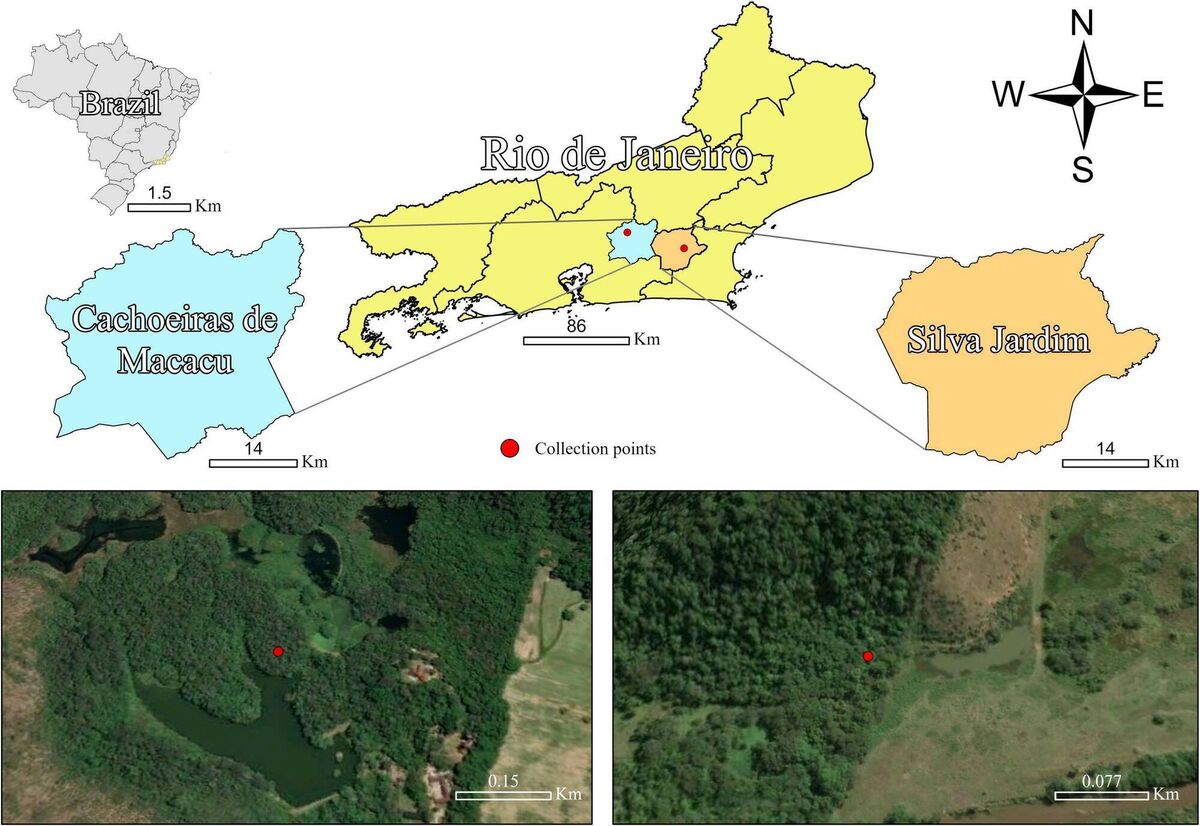
Scientists from the University of Rio de Janeiro set up insect traps, incorporating lights to lure victims to them. In two nights of exposure in the forest, 1,714 mosquitoes were captured. These included 145 ‘engorged’ females. The blood they carried was subjected to DNA analysis, to identify the species from which it came. Human blood-meal deposits were detected in nine mosquito species.
The authors say: "The results revealed a clear tendency for the captured mosquito species to feed predominantly on humans."
Climate change, it seems, works both ways. A nuisance to us, it can be a blessing to others.
Read More


CLIMATE & SUSTAINABILITY HUB
CONNECT WITH US TODAY



Be the first to know the latest news and updates