Is 2026 the year you build a pond or plant native trees and hedges?
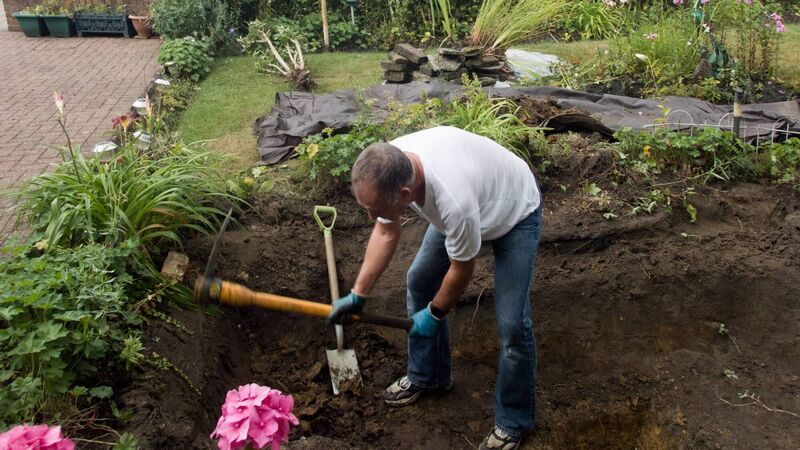
Maybe 2026 will be the year to make a farm or garden pond
In the heart of winter, bright frosty days invite us outdoors. Clad in lots of layers to keep warm, brisk walks in crisp sunshine are a tonic for body and mind.
When so much around the globe is coming apart, especially the terrifying politics of global power shifts, resource grabs in vulnerable countries, and growing jeopardy from collective inaction on climate and biodiversity, we need things to ground and reassure us. The reality of lengthening days and unfolding seasons can do just this, acknowledging the presence of resilient wild species with their own measure of the world.
Most wild species are keeping fairly quiet right now, their life strategies ranging from dormancy and hibernation to long-distance migration. Squirrels can still be seen scampering about; sparrows carry on making a happy racket in the bushes; starling murmurations spark awe; and geese fly overhead each afternoon, honking as they go. As the year unfolds, we have a plenitude of life-affirming natural phenomena yet to witness.
- From February, masses of glistening frogspawn begin to appear in ditches, ponds, puddles and lake shores. In order to spawn, frogs like to travel on a full moon, often following routes they have been following for generations, to arrive at age-old spawning sites where they gather in large numbers. There, females are gripped tightly by amorous males in an embrace called ‘amplexus’ — he holding on in the hope of being the one to fertilise the eggs as she lays them.

Frogspawn is a late winter lifeline for many other animals, including fish, newts, dragonfly larvae, otters, foxes and hedgehogs. From the 'leftovers', tadpoles emerge and nibble on algae for a month or two, until they are ready to metamorphose in to adorable little froglets in late April and May. Maybe 2026 will be the year to make a farm or garden pond.
- In April, tree sap begins to rise as deciduous woodlands prepare to grow a whole new canopy of leaves. But before the canopy closes over, bluebells and other woodland plants have a brief window of time in which to flower.
As soon as the spring equinox has passed in March, we get a full 14 hours of daylight. This is the cue for bluebells to grow their bright green leaves from starchy subterranean bulbs, and with the help of mycorrhizal fungi entwined in their roots, it does not take them long to fill the woodland floor with fabulous swathes of serenely blue blossoms.
Beware of planting non-native varieties of bluebells, especially the species known as Spanish bluebells, as these spread vigorously and have become a threat to native bluebells.
- Cuckoos arrive back in Ireland in late April and May after having spent the winter in the humid, tropical forests of the Congo in central Africa. To coincide with their return over Irish fields, dainty pale pink cuckoo flowers emerge from seed bank in old, wet grasslands. I adore listening to the cuckoo during the month of May, calling out continually over rough grassland and hilly pasture, seeking mates and scheming to lay their eggs in another's nest, unscrupulously duping some meadow pipit into rearing their cuckoo chicks.
Cuckoos survive exclusively on hairy caterpillars from butterflies and moths, so making sure that flower-rich fields are always there to maintain their food supply is one thing we can do to ensure that cuckoos will still be returning in decades to come.
- By July, butterflies are everywhere. Brightly-coloured wings rest open to absorb the warmth of summer sunshine. While butterflies are happy to sup sweet nectar from assorted flowers, most species have specific requirements for which plants they can lay their eggs on. Of the 35 butterfly species native in Ireland, almost all are active during peak summer. Peacock butterflies and similar-looking small tortoiseshells lay their eggs exclusively on nettle leaves, and after caterpillars have gone through metamorphosis, adults appear on the wing. Holly blue butterflies lay their eggs exclusively on holly trees, orange-tipped white butterflies lay their eggs only on flowers of the mustard family, which includes the aforementioned cuckoo flowers, and silver-washed fritillaries lay their eggs in sunny spots above wild violet plants, as wild violets are the larval food plant for the caterpillars of this species.
Butterflies are completely dependent on wildflowers, each species with particular habitat needs. For this, we must stem the decline of wildflower-rich habitats across the country, the loss of which has been causing severe declines in many of our native butterfly species. Each summer, I love learning to recognise a few more species and where to go to watch them.
- In September, wild fruits are ripening in hedgerows and woodland edges, offering us the opportunity to forage for the vitamins that can help boost our immunity through another winter. Juicy blackberries, red shiny rosehips, and deep dark clusters of elderberries are among my favourite for making preserves and tonics to last the winter — a delicious source of vitamin C and a good natural source of antioxidants.

Wild autumn fruits are sustenance too for wild birds and other creatures, a natural larder for many. Now is the perfect time of year to think about planting native trees and hedges around your home, garden or farm. Fill them with native flowering and fruiting trees, from guelder rose and whitebeam in lime-rich soils to rowan in more acid soils. Their colourful bounty and the birds they draw in will surely be another thing to look forward to as the years keep turning.