Autumn Equinox and nocturnal animals
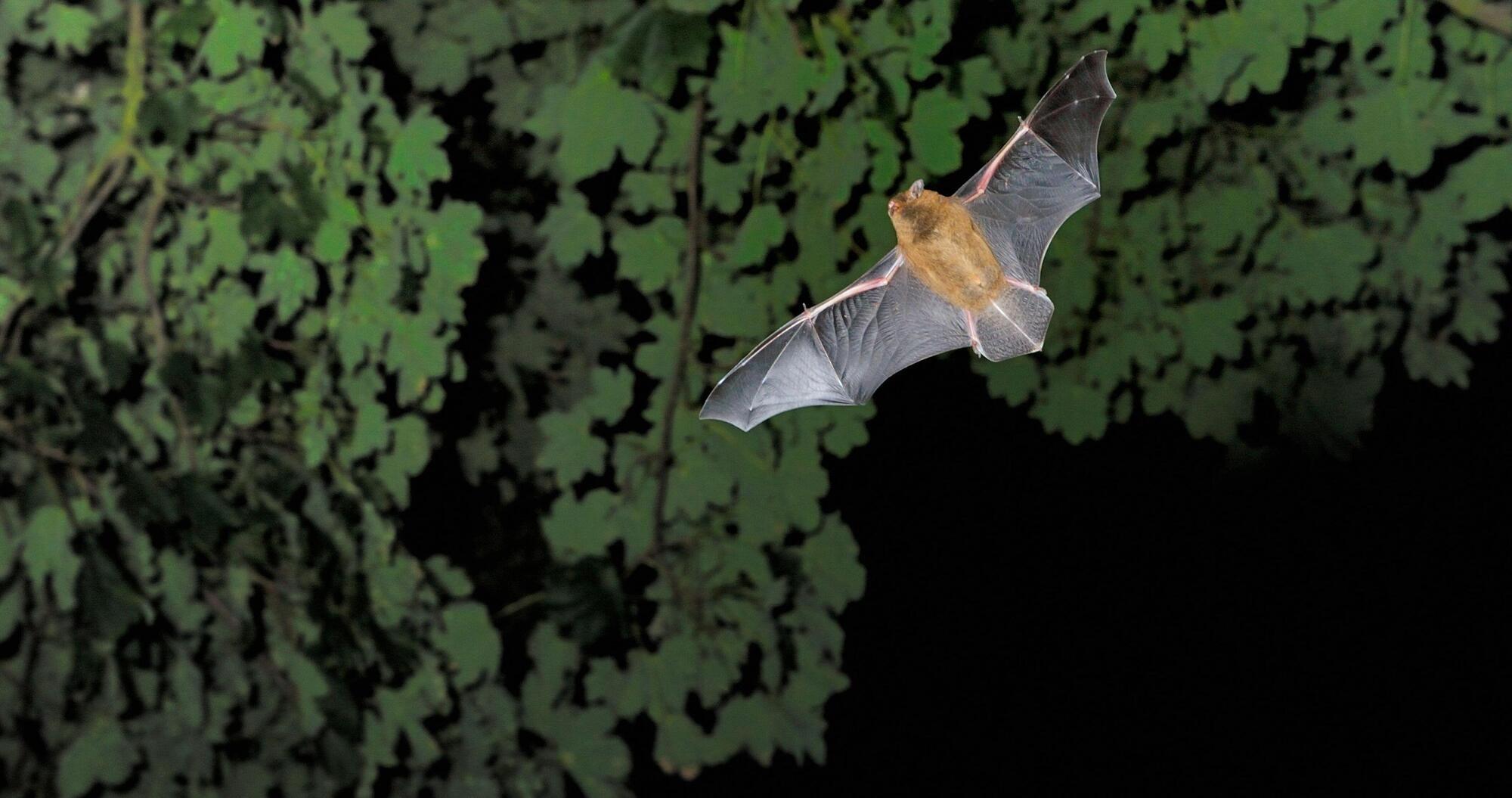
Common Pipistrelle Bat (Pipistrellus pipistrellus) hunting at twilight
Autumn Equinox is when the tilt of the Earth’s axis is such that day and night are equal across the globe. Occurring this year on September 22, it marked the turning point from the brighter half of the year to the darker half, signalling the astronomical beginning of autumn.
From here on in, we will have more darkness than daylight, making this a good time to consider the lives of wild creatures most active at nighttime. Apart from bats, moths and owls, many other creatures also become active as light fades from the landscape. Foxes, badgers, mice, and pine martens are primarily nocturnal, and half of all invertebrates are adapted to life in darkness.
When it comes to nocturnal animals, we immediately think of bats. Being night dwelling and airborne, bats are generally treated with suspicion. As creatures of the daylight hours, we tend to be prejudiced against those who live by darkness. Their senses have adapted and evolved to navigate in darkness — though the saying ‘blind as a bat’ is a misnomer. Bats are perfectly able to see... it’s just that sight is not the most useful sense when you hunt for flying insects in the dark. Emitting pulses of ultrasonic sound is a much better strategy, and bats have mastered echolocation to find their way around as well as to hunt for night flying insects.
Once equinox arrives, plants will be withdrawing their supply of nourishing sap and in turn, many insect species will also be wrapping up their life cycle soon. Bats, facing a winter of no food at all, are busily building up fat reserves now that will need to last the winter hibernation.
Many of our native bat species have declined significantly in recent decades, which is why they are now legally protected. If you have bats at home, do not disturb them. And to experience the intriguing sounds that bats make when hunting, a bat detector is a piece of equipment that translates the wavelengths of sound that bats make in to wavelengths that we, too, can hear. Joining a bat walk guided by experts is one way to experience the incredible sonic world of bats.
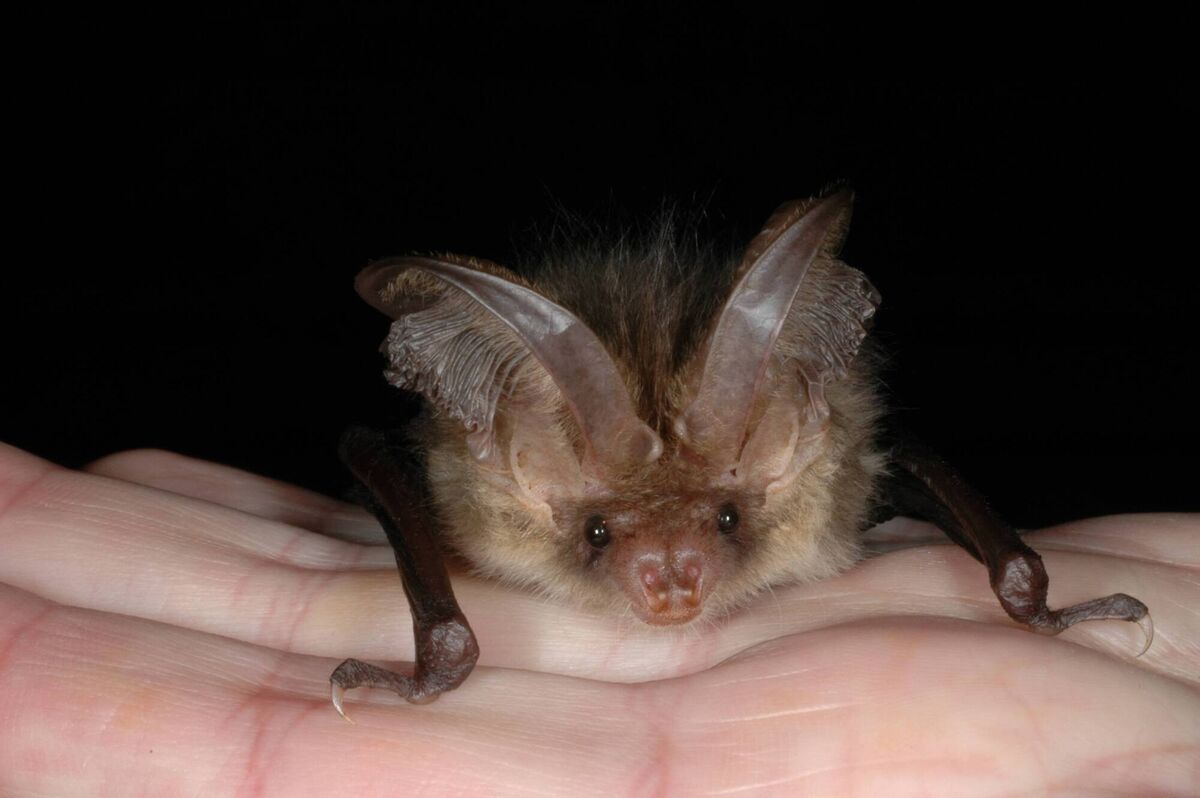
Moths are the main food for some of our native bats, including the brown long-eared bat. At the moment there are still plenty of sweetly-scented honeysuckle flowers about, luring in moths each night, and plenty of moths on the wing. Moths are especially adapted to find their way through the world based on scent, though some moth species are also able to hear the high-frequency sounds with which bats locate them, so that they can swoop or zig-zag out of the way when a being pursued by a bat.
Owls also have exceptional hearing, and are able to triangulate the precise location of a scuffling mouse by sound alone. But owls are not reliant on sound to catch their prey. They have big, dark-adapted eyes that allow them to see well even in the faintest traces of light. This phenomenal ability to see in the dark is why we traditionally associate owls with wisdom: they have the power to see through the darkness and to know things we cannot.
Barn owls are very much threatened in Ireland, being on the red-list of birds of conservation concern. Because they catch and eat mice and rats as their primary food, they are carrying out the welcome work of controlling rodent populations. But when the mice and rats they eat have been poisoned by rodenticides, the owls suffer secondary poisoning. Ireland is still far behind in implementing effective controls on the use of rodenticides.
Apart from bats, moths and owls, many other creatures also become active as light fades from the landscape. Foxes, badgers, mice, and pine martens are primarily nocturnal, as well as being crepuscular, which means active during dusk and dawn. Each of these animals evolved to occupy the nighttime niche, going about their lives in half light or less, navigating from home to feeding places; nursing and raising young; playing and exploring; foraging, grazing or hunting; all in light levels that would have us humans flailing about in a panic. For the most part, the adaptations that make their nocturnal lives possible are still poorly understood, as we humans tend to focus our research on species and phenomenon that take place during daylight hours.
Least understood of all are the nocturnal ways of invertebrates. Experts estimate that about half of all invertebrates are adapted to life in darkness. This means that light pollution has serious impacts on many insect populations. In fact, artificial light at night (ALAN) is now thought to be one of the many pressures causing the declines in invertebrate populations globally, disrupting navigation, feeding, mating, and communication.
Already under pressure from habitat loss and pesticide use, the additional impacts of light pollution are relatively straightforward to mitigate. A collaborative approach between lighting industry, ecologists, architects and others has already produced guidance on mitigating artificial light at night, recommendations that are slowly filtering in to policy and practice.
Reducing the impacts requires careful consideration of how we light up our homes, businesses, infrastructure and urban areas. Much can be done to change the location and timing of outdoor artificial night-time lighting, to ensure that it is directed only where needed, to be only as bright as is necessary, and turned off when not required. The frequency of wavelength matters too, as amber to red light is far less disruptive than blue light emissions.

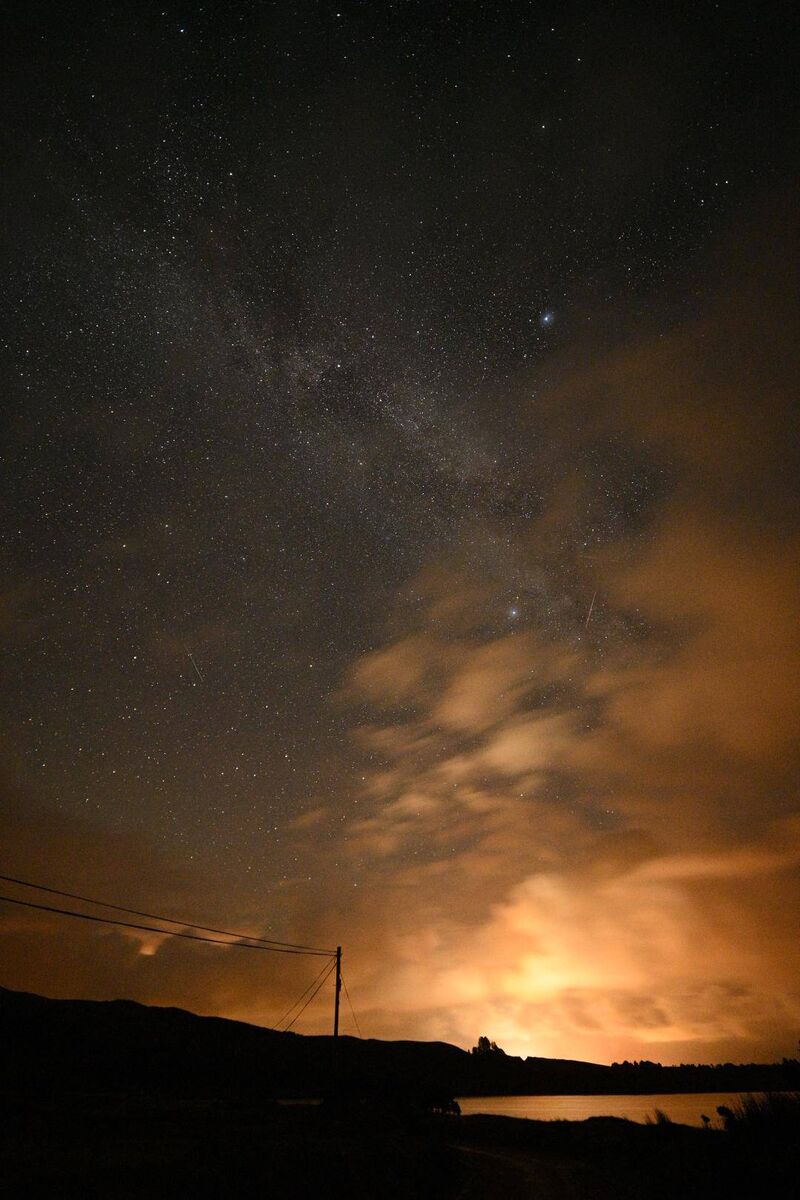
If you want to find out more about the wonder of dark skies, the 2025 Mayo Dark Sky Festival runs for 3 days from October 31, with a programme that includes stargazing at one of Mayo's premier astronomy sites; guided nature walks; an exploration of the sounds of the Irish natural world after dark; a portable planetarium; the folklore of the night sky; insights from light pollution experts; and a presentation by two of the scientists involved in the recent discovery of the new forming planet.

CONNECT WITH US TODAY



Be the first to know the latest news and updates