Understated glamour: Ireland’s flowers know how to work it
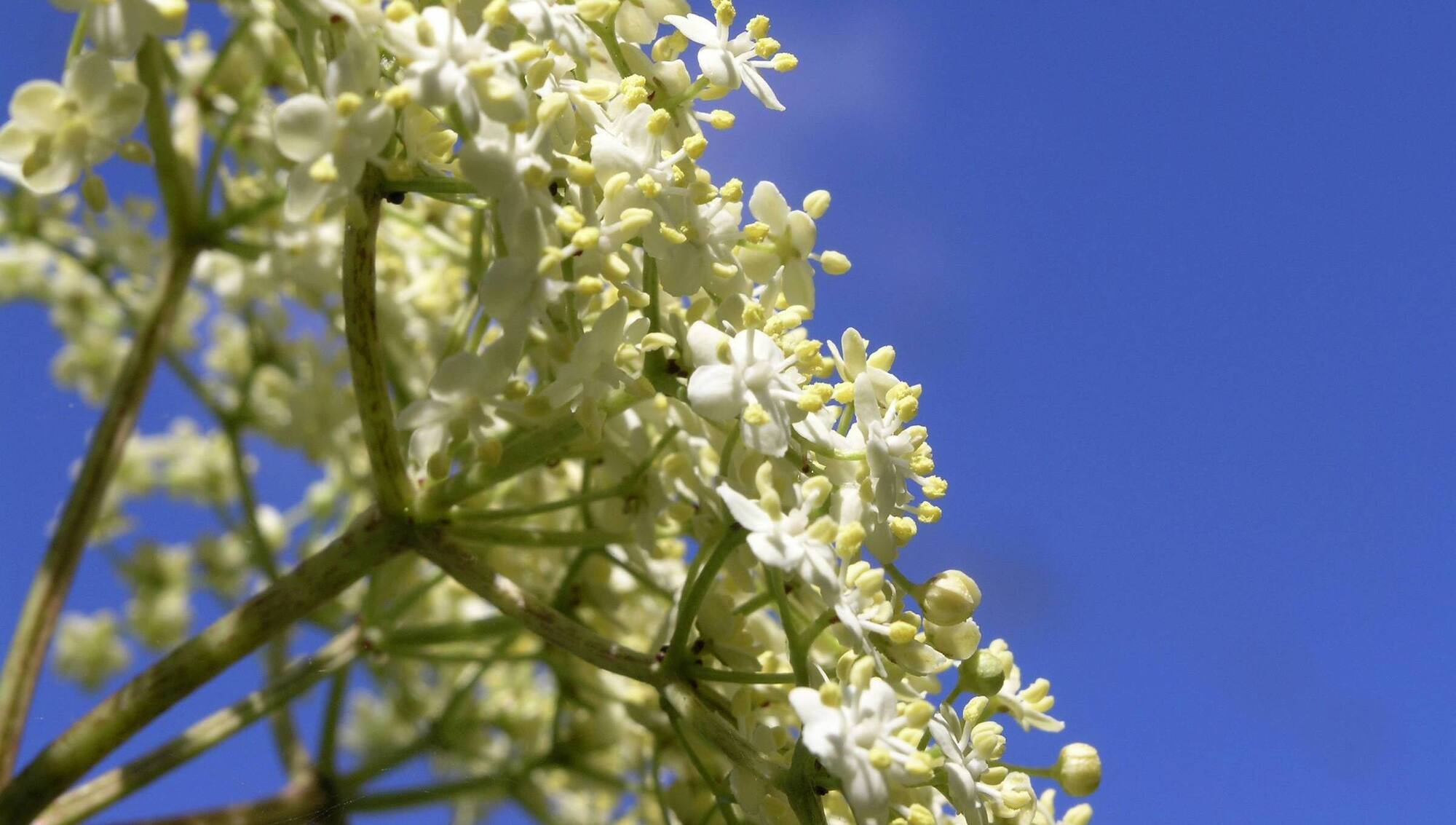
Plants such as elder have evolved showy white blooms that stand out across long distances, especially during early spring when competition is low, and the pollinators are few but hungry
Ireland’s spring landscape doesn’t explode into colour, it whispers into bloom. No technicolour fanfare, no floral fireworks. Instead, the countryside leans into a cooler kind of chic: hedgerows dusted with white blossom, roadsides trimmed in pale blooms, and trees cloaked in delicate ivory confetti. From cow parsley to blackthorn, hawthorn to wild cherry, it’s as if most plants in Ireland got the same memo: White is in.
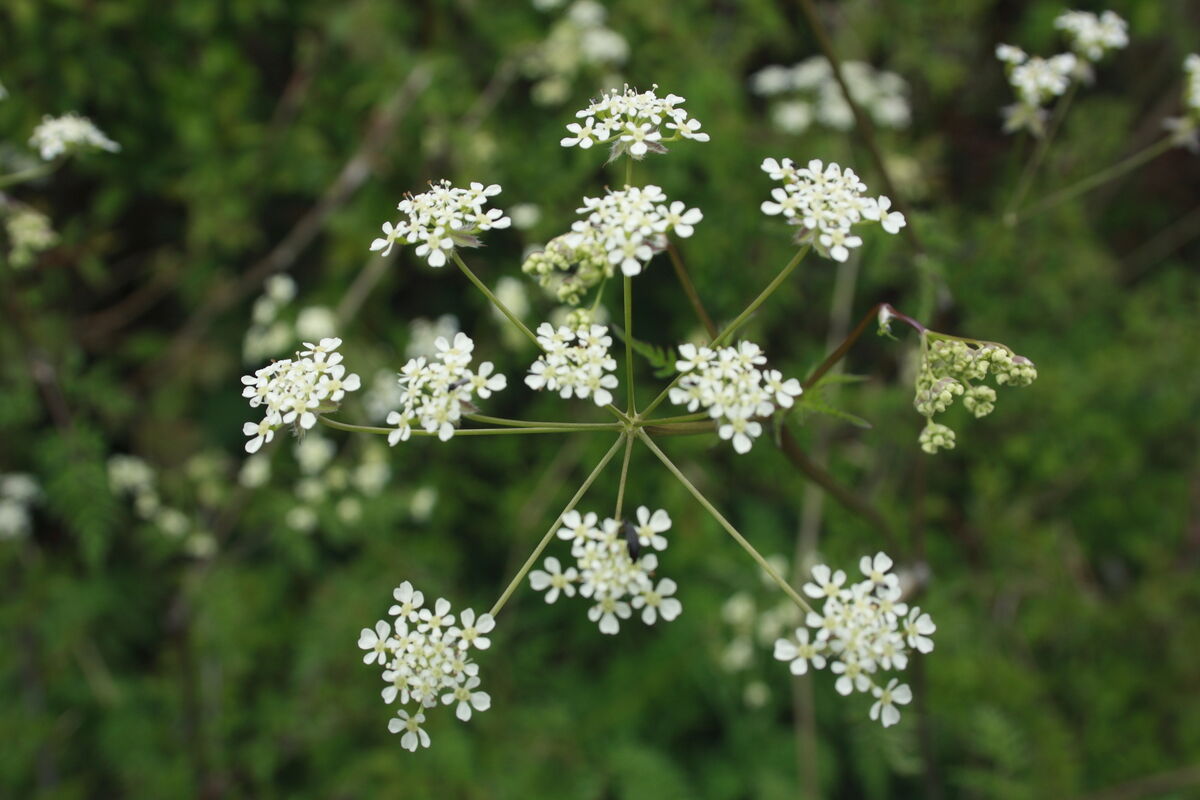
But this isn’t about being modest or unoriginal. Beneath that pale palette lies a clever evolutionary playbook — a strategy rooted in thrift, light, pollinators, and Ireland’s famously soft weather. These white-flowered plants aren’t just surviving, they’re thriving and doing it with subtle style.
Most flower colours come courtesy of two pigment groups:
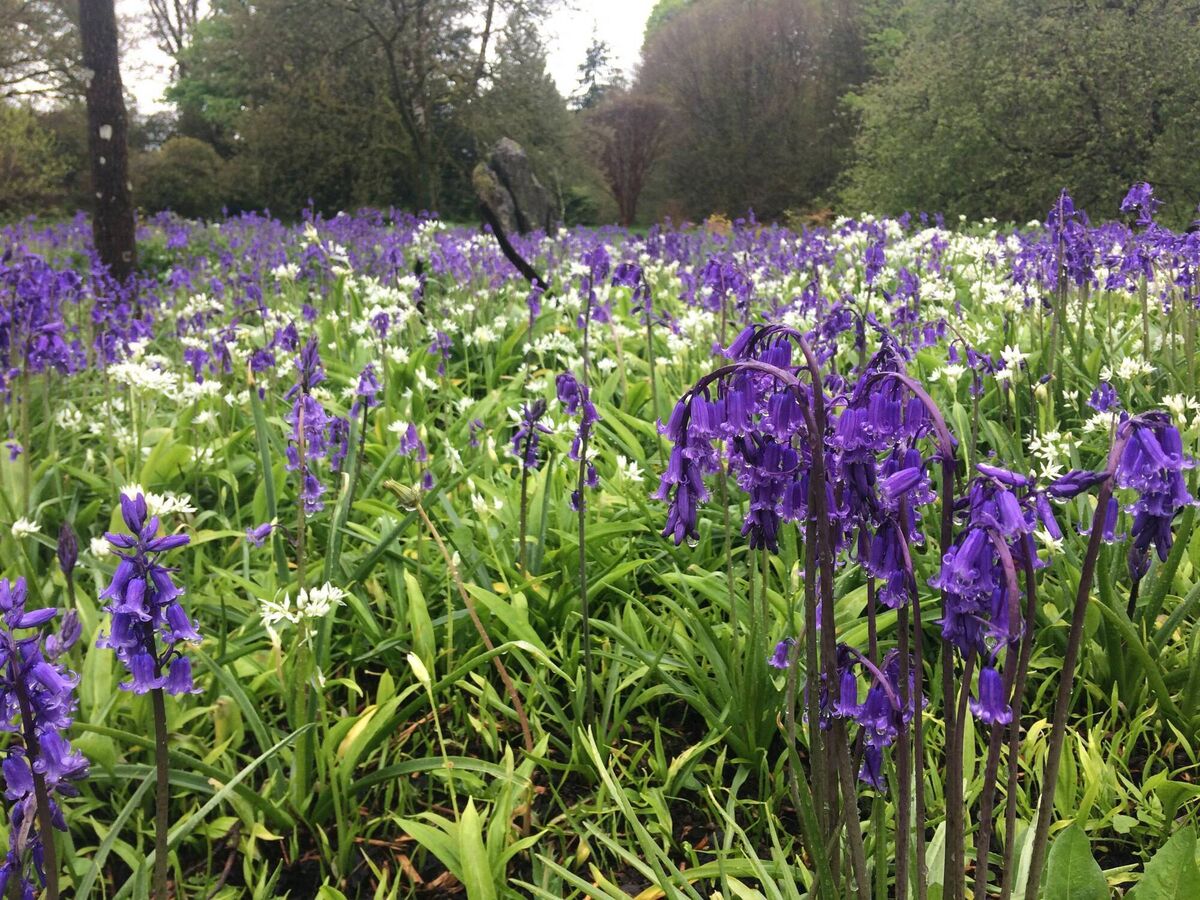
- Anthocyanins serve up reds, purples, and blues (think bluebells or violets).
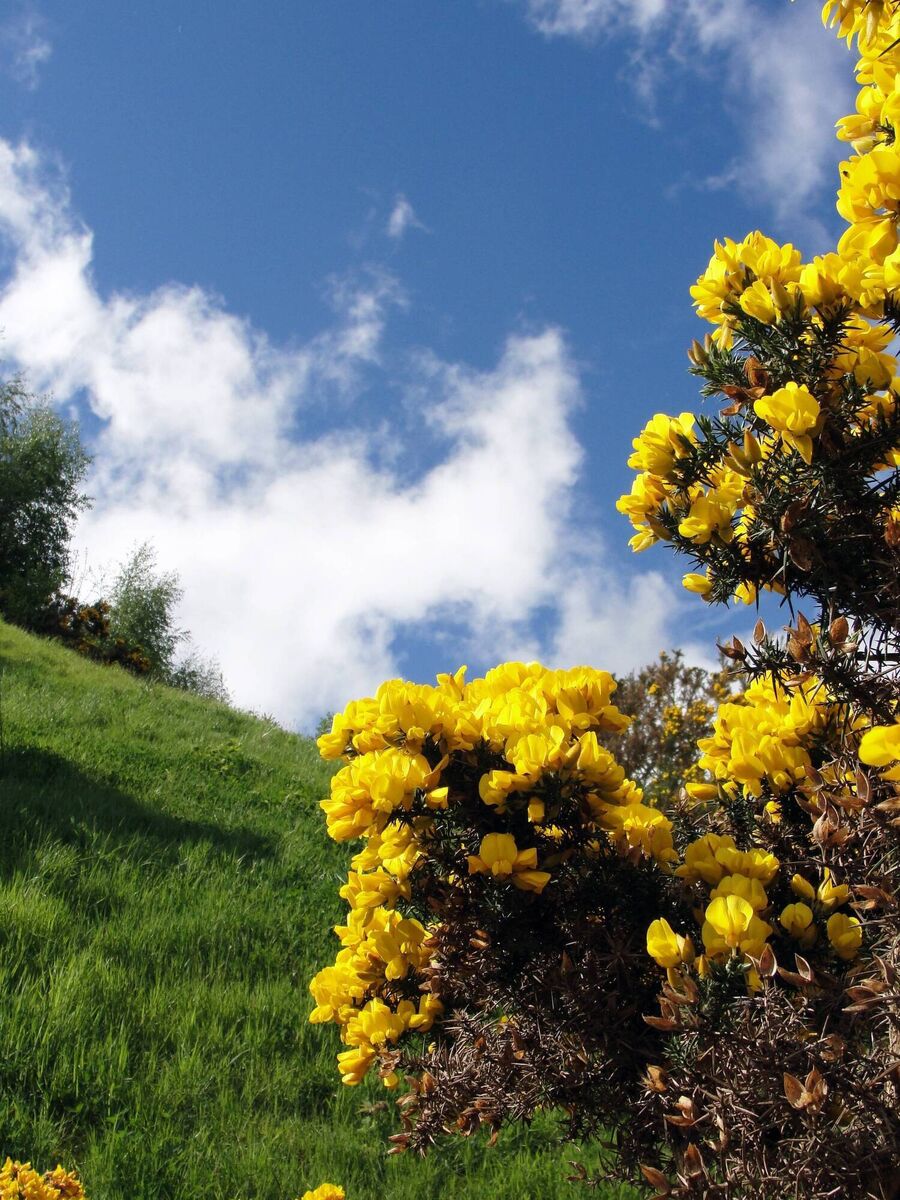
- Carotenoids bring us yellows and oranges (such as buttercups or gorse).
But white flowers? They're doing something different. Rather than producing pigment, their colour often comes from not producing pigment at all. Many have lost the genetic pathways for anthocyanin production; a condition botanists call 'anthocyanin deficiency'. In other cases, they never bothered evolving it in the first place.
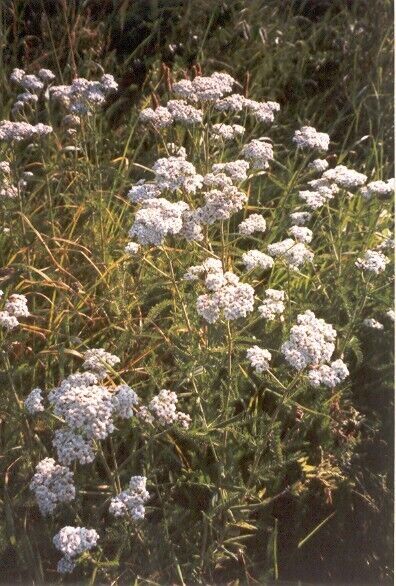
Simple: energy. Making pigments is metabolically expensive. In Ireland’s often nutrient-poor soils, especially on old grasslands or uplands, plants that keep things simple have a survival edge. White-flowering species such as yarrow or elder conserve energy by skipping the colour show and investing instead in reproduction, resilience, and just enough visibility to keep pollinators interested. It’s the floral equivalent of wearing a crisp white shirt: smart, efficient, and always chic.
Ireland’s weather plays a starring role. With cloud cover a near-daily feature and sunlight at a premium, Ireland is no Ibiza when it comes to light levels. In these conditions, white flowers shine. Literally. They offer high visual contrast against green backgrounds, making them easier for pollinators to spot in the gloom.
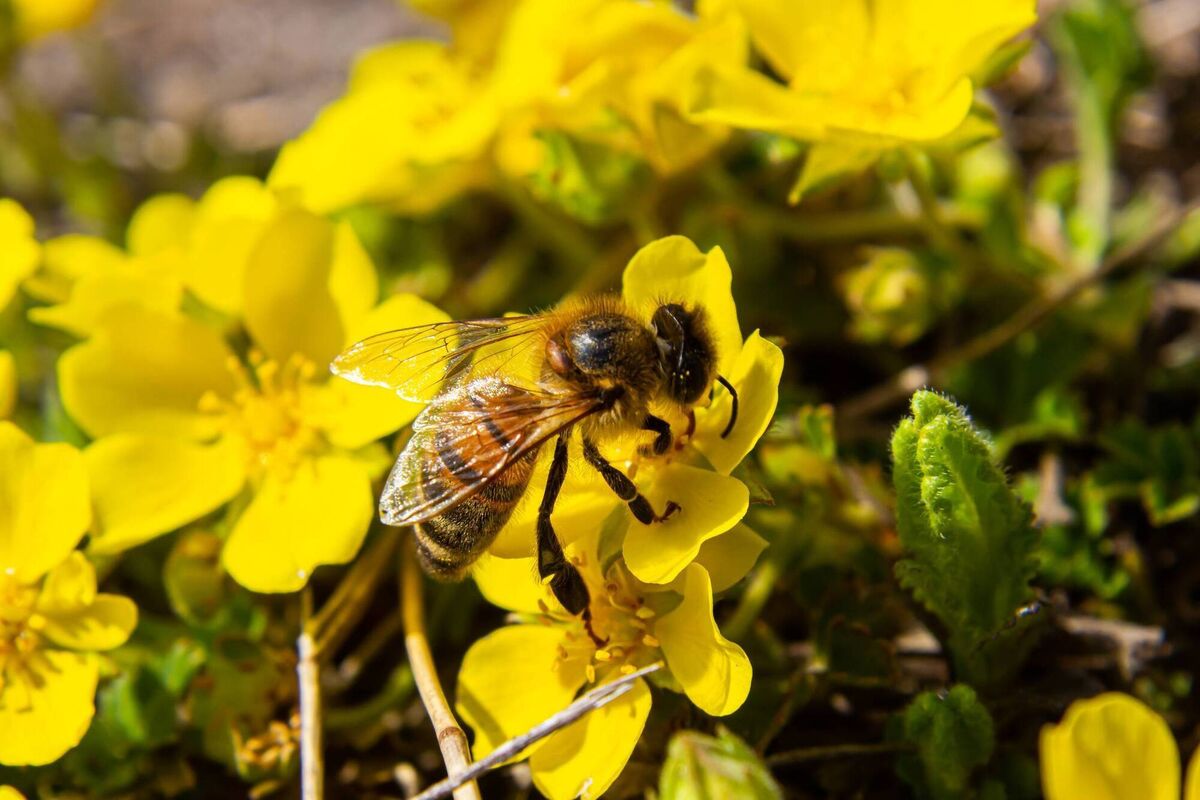
And that matters because bees and other insects are the intended audience. Bees, in particular, have excellent ultraviolet vision and a natural preference for blue and violet hues, but that’s in bright light. In Ireland’s dim, cloudy conditions, white flowers often stand out more strongly, thanks to their high reflectance and bold contrast against green foliage. Many also reflect ultraviolet light and feature nectar guides visible only to bees, making them excellent targets when colour alone isn’t enough.
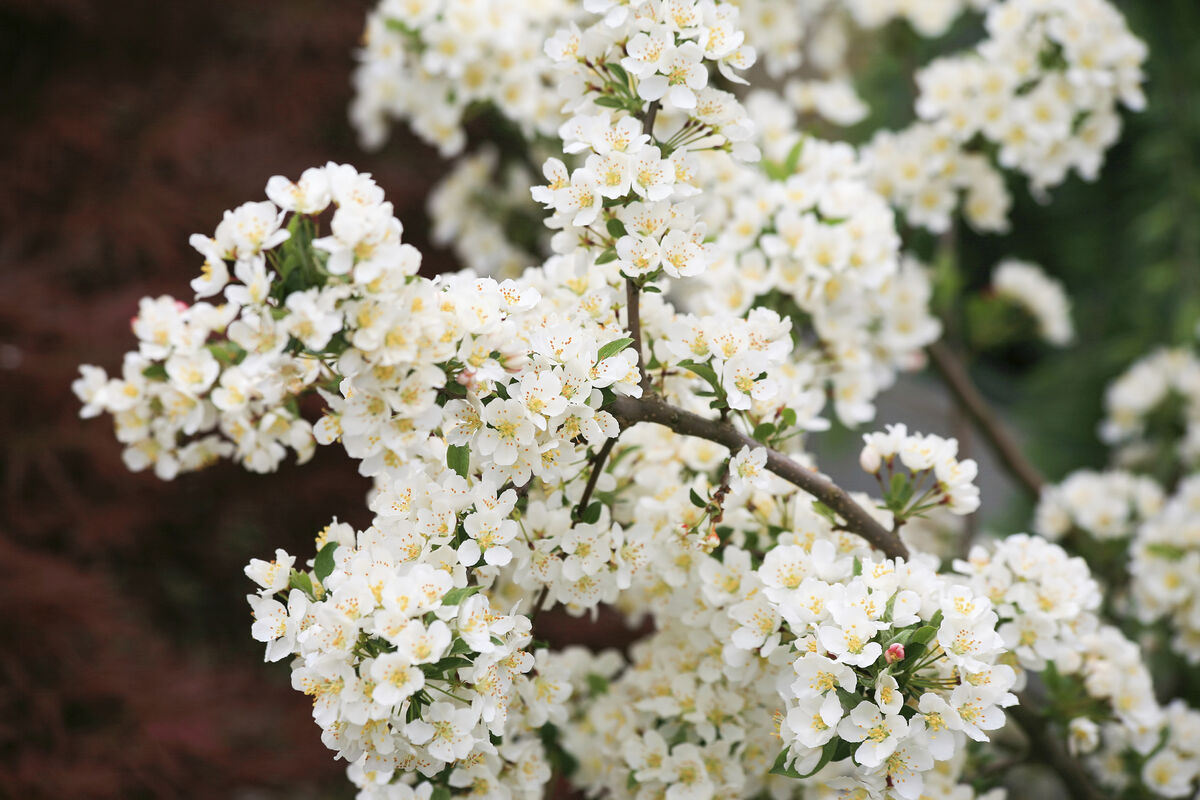
Hawthorn and blackthorn blossoms, for instance, act like glowing glowsticks in a 90s nightclub to a bumblebee flying through a shadowy hedge-lined field.
Sure, there are colourful natives, such as sunny tormentil, fiery gorse, purple moor grass, and heather. The flowers from these plants shine in brighter spots like bogs and upland heaths. But white flowers dominate where light is low, and insects are just waking up from winter sluggishness.
While wildflowers get much of the attention, trees are just as invested in the pale palette. But their strategies differ. Hazel, birch, and alder are all wind-pollinated Irish natives. These trees skip the whole petal-and-perfume performance. Instead, they produce catkins: greenish brown, dangly, and utterly unbothered about appearances. They churn out pollen, toss it to the wind, and hope for the best. It’s reproduction by broadcast: no insects, no frills, no pigment required.
Then there’s hawthorn, blackthorn, rowan, wild cherry, and elder — the darlings of insect pollination. These species rely on bees, flies, and beetles to carry pollen between flowers, and they know how to draw a crowd. They’ve evolved showy white blooms that stand out across long distances, especially during early spring when competition is low, and the pollinators are few but hungry.
So, the next time someone claims Ireland’s flora is boring or not as eye-catching as a cherry blossom parade in Tokyo, remind them: Irish plants aren’t trying to impress you. They’re working to outsmart their environment. White flowers are more than aesthetic, they’re a masterclass in adaptation. These plants evolved to thrive in grey light, poor soil, and unpredictable weather, all while charming a cohort of picky pollinators. Their petals may be pale, but their strategy is anything but passive.
Long before exotic ornamentals arrived in garden centres, species like hawthorn, elder, and wild cherry were dazzling bees (and holding ecosystems together) with their timeless, understated glamour. Ireland’s white-flowered plants are not flashy. They’re focused. They’re functional. And they know exactly how to work it.

CONNECT WITH US TODAY



Be the first to know the latest news and updates