Sustainable agriculture project in Uganda wins top Limerick prize

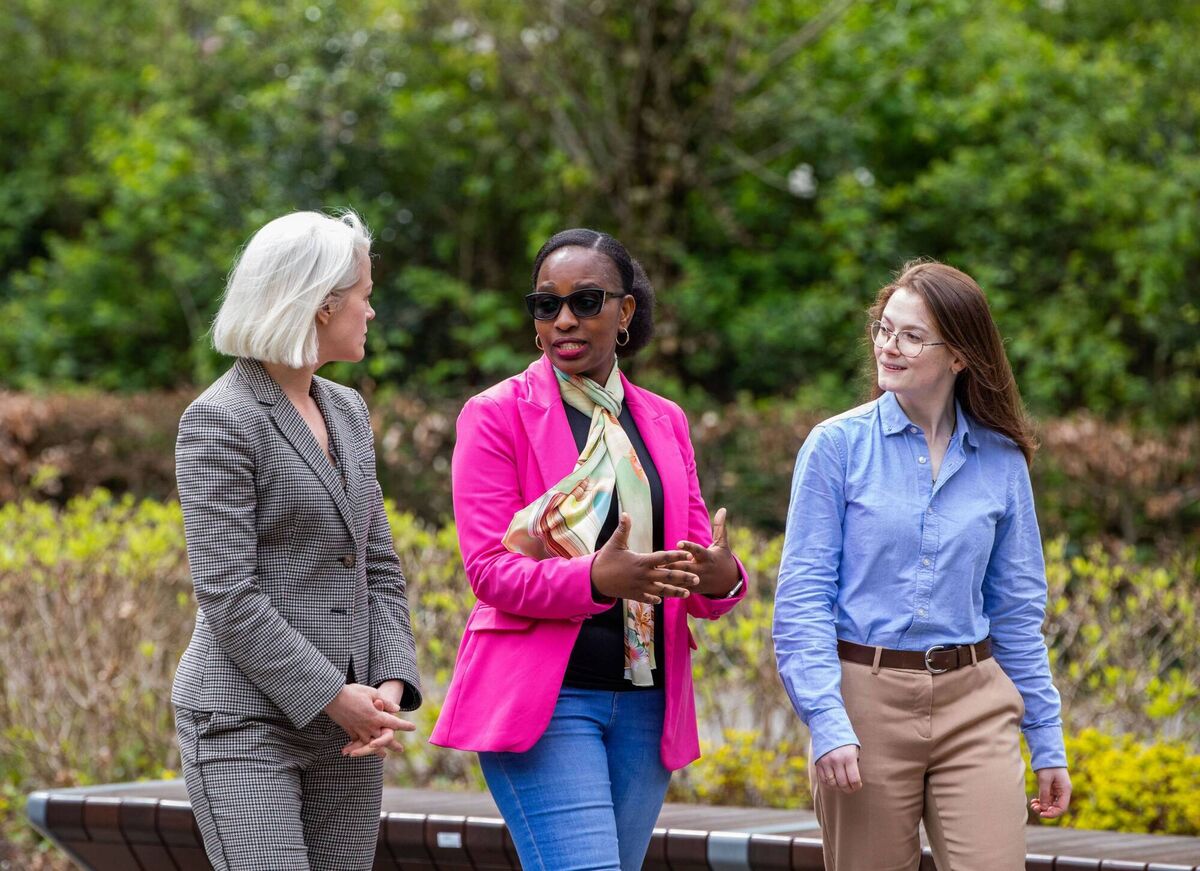
A project focusing on sustainable agriculture practices and knowledge sharing in Western Uganda is the winner of the UL Sustainability Challenge. Rebecca Tumwebaze, a PhD student in the Kemmy Business School, used a bottom-up approach involving local matooke (green bananas) farmers, larger commercial farmers, agriculture specials, and government officials to develop specific frameworks to encourage sustainable agriculture practices in the Rubaya region of Uganda. Picture: Alan Place
A ground-breaking project focusing on sustainable agriculture practices and knowledge sharing in Western Uganda is the winner of the University of Limerick Sustainability Challenge.
Rebecca Tumwebaze, who is a PhD student in the Kemmy Business School, used a bottom-up approach involving local matooke (highland green cooking bananas) farmers, larger commercial farmers, agriculture specials, and government officials to develop specific frameworks to encourage sustainable agriculture practices in the Rubaya region of Uganda.
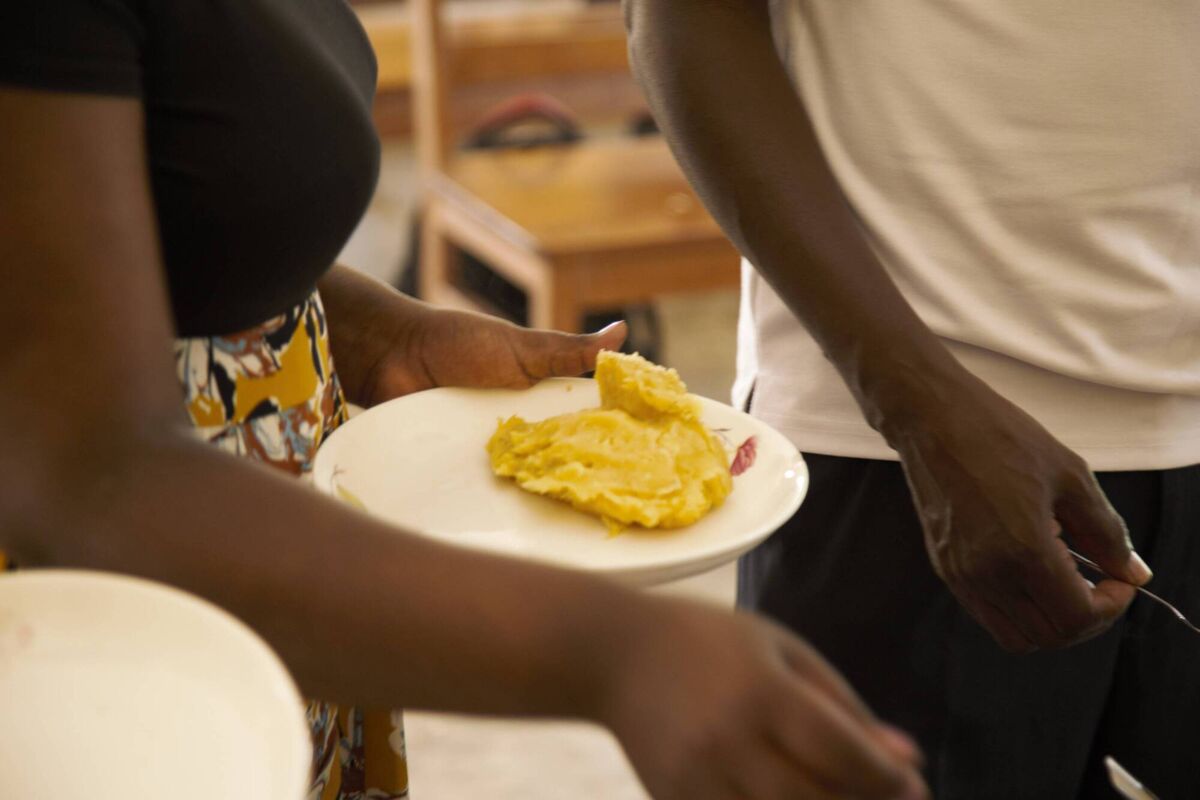
Matooke is a staple food in Uganda where it is grown and then steamed and mashed. Rebecca grew up in rural Uganda and said it is so important to learn from the people who have the experience: "Sustainability is context specific, even though it can be adapted of course, — what is sustainable here in Limerick will not work for my grandmother in Uganda, she knows her environment, her community... so if we can develop practices where we start from the bottom then it is more sustainable. We have to bring people at the 'top' to the 'bottom' and work with the people in the community."
Her project was one of five finalists selected after UL President Professor Kerstin Mey set a challenge to the campus student community last November to come up with novel ways to tackle the climate crisis.
CLIMATE & SUSTAINABILITY HUB
The selected projects each received up to €10,000 to develop their ideas and to stimulate sustainable solutions which were to be tested on the UL campus or in the wider region.
The projects covered areas such as plastic recycling, thermal energy monitoring, improving sustainable agricultural practices in Uganda, biodiversity in the Shannon Estuary, and efficiency improvement and cost reduction in hydrogen manufacturing.
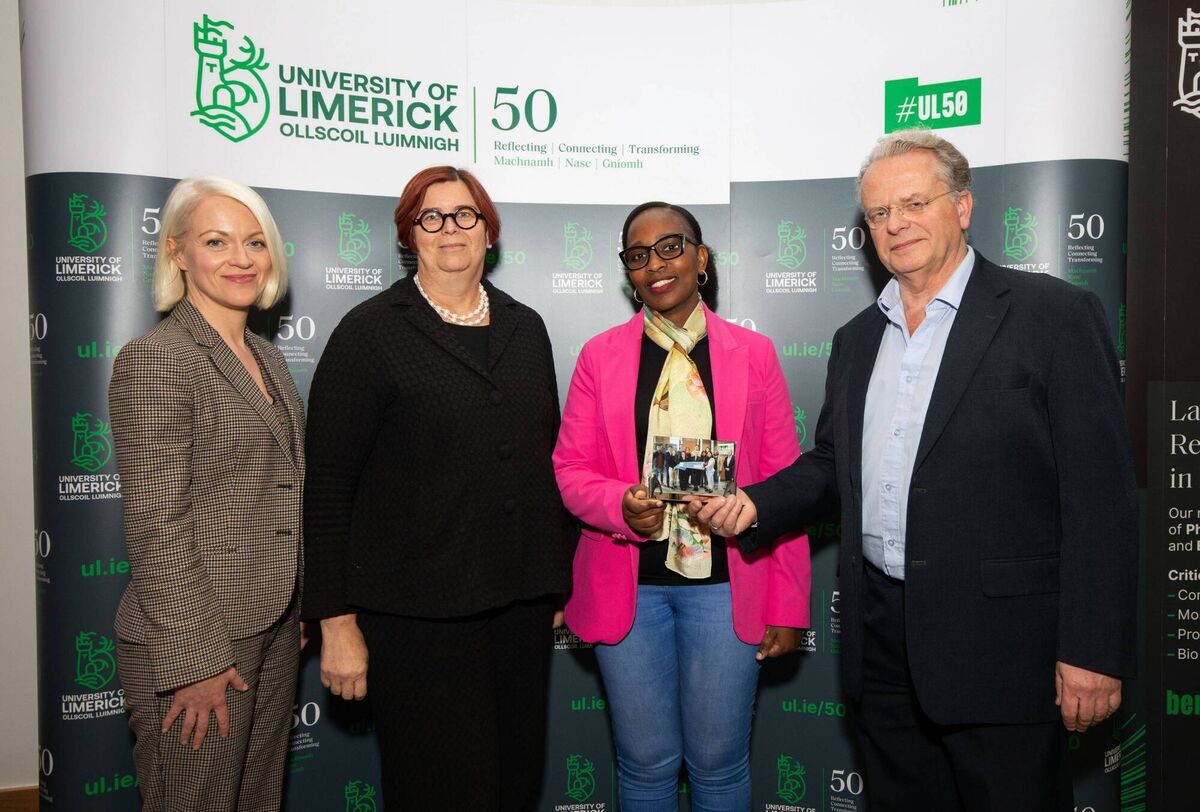
The overall winner was announced following a -style event as part of UL’s Research Week during which the five teams had to pitch their projects to a panel of experts.
They were evaluated on the basis of targets, feasibility plan and societal impact.
Speaking after being announced as the winner a delighted Rebecca said: “This shows that UL is interested in tackling climate challenges not just on a local and regional basis but on a global basis. I was doing work in a rural community in Uganda and it’s such a pleasure to see my work gaining the recognition here today.
"Parts of Asia and Sub-Sahara African are some regions that the results and conclusions from Uganda can be adapted and can contribute to sustainable agriculture else in the world, so it brings a new aspect of how knowledge should be created within communities, not the current or traditional top-down approach but we now have to be all-inclusive and involve local communities in developing their own practices as sustainability in general must be looked at as context-specific."
Congratulating the winners, UL president Professor Kerstin Mey said: “The rapid pace of societal growth has caused us to exceed many of the Earth’s planetary boundaries and the defining challenge of the 21st century will be to balance social progress with these environmental boundaries. It is therefore encouraging to see the level of innovation and ingenuity that UL students have brought to this challenge.”
The five projects are:
: The project aims to harness plastic waste streams to benefit local communities, using waste material locally rather than transporting/exporting for recycling. Waste plastic bottles, made from PET (polyethylene terephthalate) plastic, will be collected and treated locally before the material is 3D printed to create urban furniture, large-scale outdoor games for schools and art pieces.
: The project team will utilise drones to undertake thermal mapping to generate a map of buildings for AI analysis of their heat envelopes. The pilot project will allow residents to easily visualise the amount, location and cost of waste heat leaving their homes.
: This project aims to achieve an educational framework with resource packages designed to develop scientific knowledge surrounding SDG14, create collaborative spaces/workshops/initiatives for individuals and local communities. It involves the integrated delivery of knowledge, skills and principles developed and contained within a core resource book (RB) titled ‘Sustainable Shores: Ireland’s Life Below Water’, accompanied by an online resource network.
: The project team will deploy collaborative workshops in Rubaya, south-west Uganda to enhance knowledge sharing and develop a framework for sustainable matooke farming.
The workshops will involve smallholder farmers, commercial farmers, technical agriculture specialists, government extension officers, non-governmental players, and private sector players.
: This proposal aims to test theories for the production of hydrogen gas, as an affordable, clean energy alternative. Hydrogen is proving itself to be an important fuel source for the future, as it is efficient, renewable, and more powerful than conventional fuels.
The team proposes to collaborate with Mesoscale Chemical Systems Labs, University of Twente, Netherlands.


CONNECT WITH US TODAY



Be the first to know the latest news and updates