Richard Collins: Fearless coyotes spark behaviour investigation
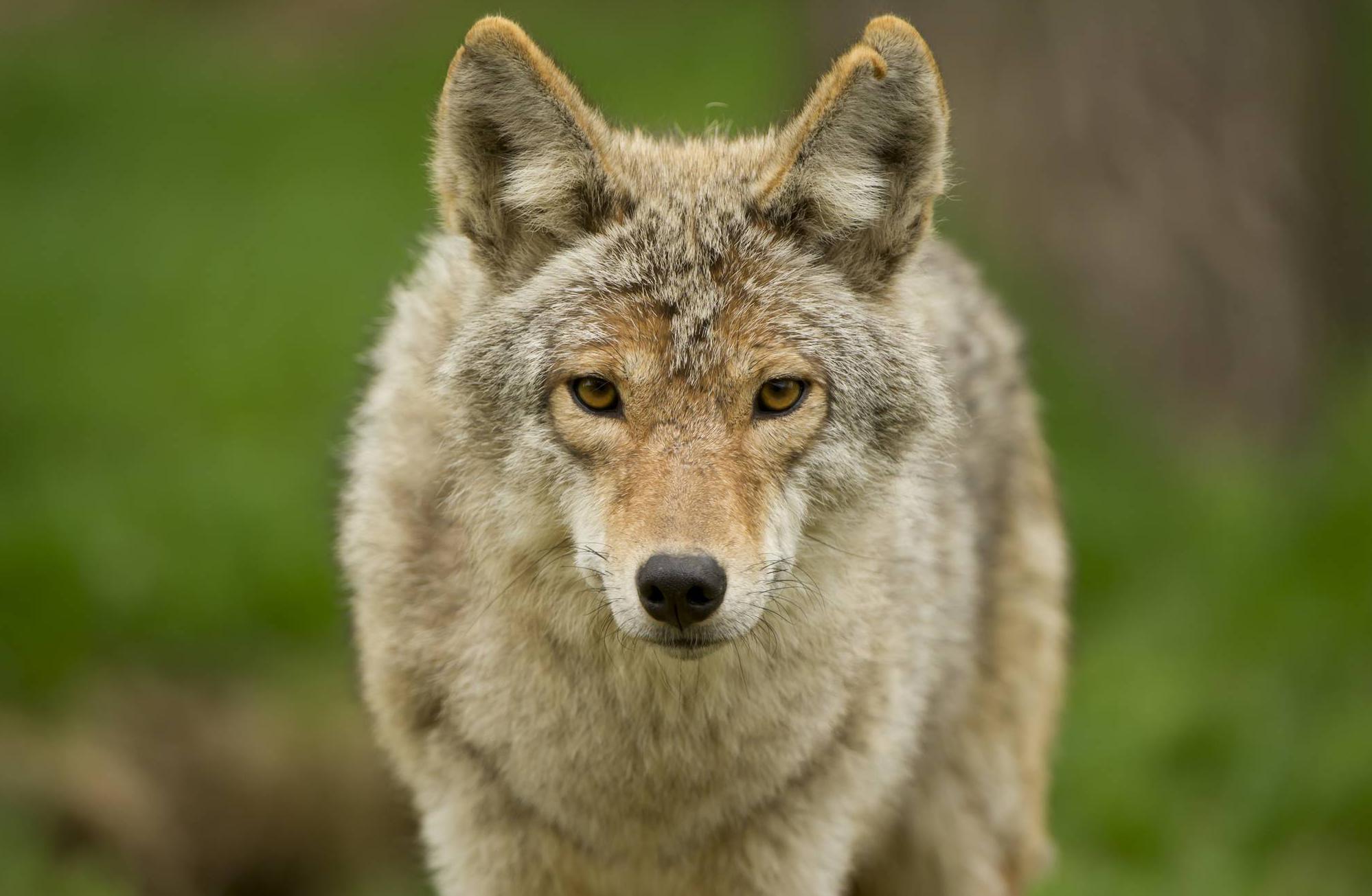
Coyote (Canis latrans, family Canidae), is often called prairie wolf or brush wolf. It is between the wolf and fox in size and resembles a lightly-built German shepherd dog with erect, pointed ears, pointed muzzle, flat forehead, bushy tail (usually held rather low) and a coat of long, grey, russet or yellowish brown hair
Taylor Luciow was a Canadian folk singer and song writer. On October 27, 2007, aged 19, she went walking alone along a trail in Nova Scotia’s Cape Breton Highlands National Park. Around three o’clock in the afternoon, screams were heard near the trail. Hikers, who went to investigate, came upon blood-stained clothing. This led them to Taylor, who was lying, covered in blood, among trees. She died in hospital 12 hours later.

Suspicion fell initially on black bears, but not for long. American visitors to the park had seen coyotes walking towards them on the fateful day. Coyotes normally keep their distance, but these ones appeared fearless. The visitors were frightened and gave them a wide berth. Also, the hikers who had found Taylor saw a coyote in the vicinity.
This wild dog, bigger than a fox but smaller than a wolf, is found throughout North America. A clever opportunist stealth hunter and scavenger, it even colonises urban areas.

There had been minor incidents involving coyotes in the park previously but no fatality due to them had ever been recorded in Canada until now. Even in American cities with resident coyotes, encounters were exceedingly rare.
So, if coyotes were responsible for this tragedy, what could have led to such a lethal change in their behaviour?
Was this a one-off attack by rogue animals or, more ominously, could it be the start of a behavioural trend?
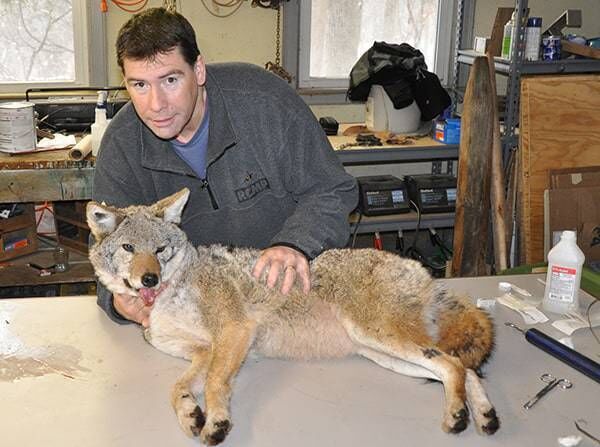
Researchers based at Ohio University, led by coyote expert Stanley Gehrt, began an investigation. ‘Habituation’, possibly via food provisioning by people, was suspected. Wild creatures can become so used to the presence of humans that they lose all fear of them. You are more at risk from a tame animal than a wild one. The team needed to know where the suspected rogue coyotes had been in the weeks prior to the tragedy. Were they visiting locations where people were present?
Two dozen coyotes were trapped and fitted with tracking devices. These showed that the animals roamed widely, avoiding human contact. Clearly, habituation was not responsible for the tragedy.
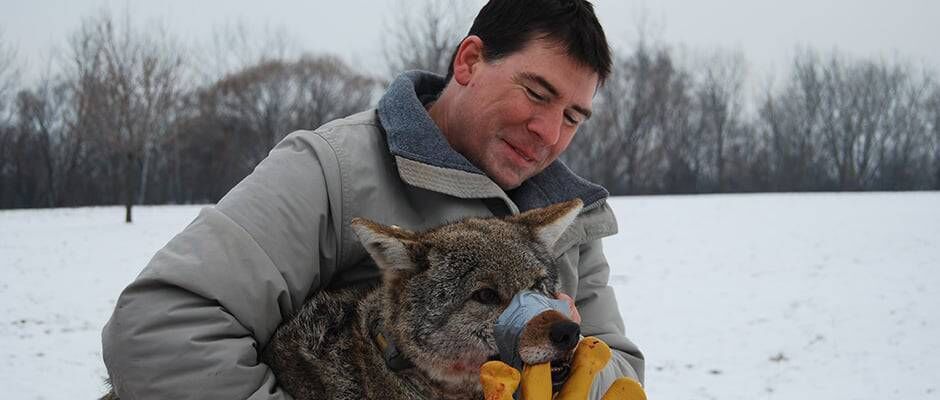
But what had the coyotes been eating? They normally hunt rodents, snow-shoe hares, and small deer — animals bigger than themselves seldom being targeted. To check if a change in diet had occurred, fur samples were taken from potential prey and human hair was obtained from barber shops. Fur was taken from the dead bodies of the coyotes suspected of attacking Taylor and whiskers were snipped from captured ones. Isotope analyses of these tissues revealed what the animals had been eating.
The researchers were surprised to discover that the biggest animal in the park, the moose, featured prominently in the diet. Evidently, the coyotes were unable to catch enough of their normal-sized prey to sustain them. Hunger had forced them to attack larger animals, even ones as big as moose. This targeting of larger creatures, the researchers believe, resulted in the attack on Taylor.
Bounties on coyotes are unnecessary, the researchers conclude in a paper just published, "but users of these areas should be made aware of the risks coyotes pose", they add.

CONNECT WITH US TODAY



Be the first to know the latest news and updates