Life after death — for successful genes
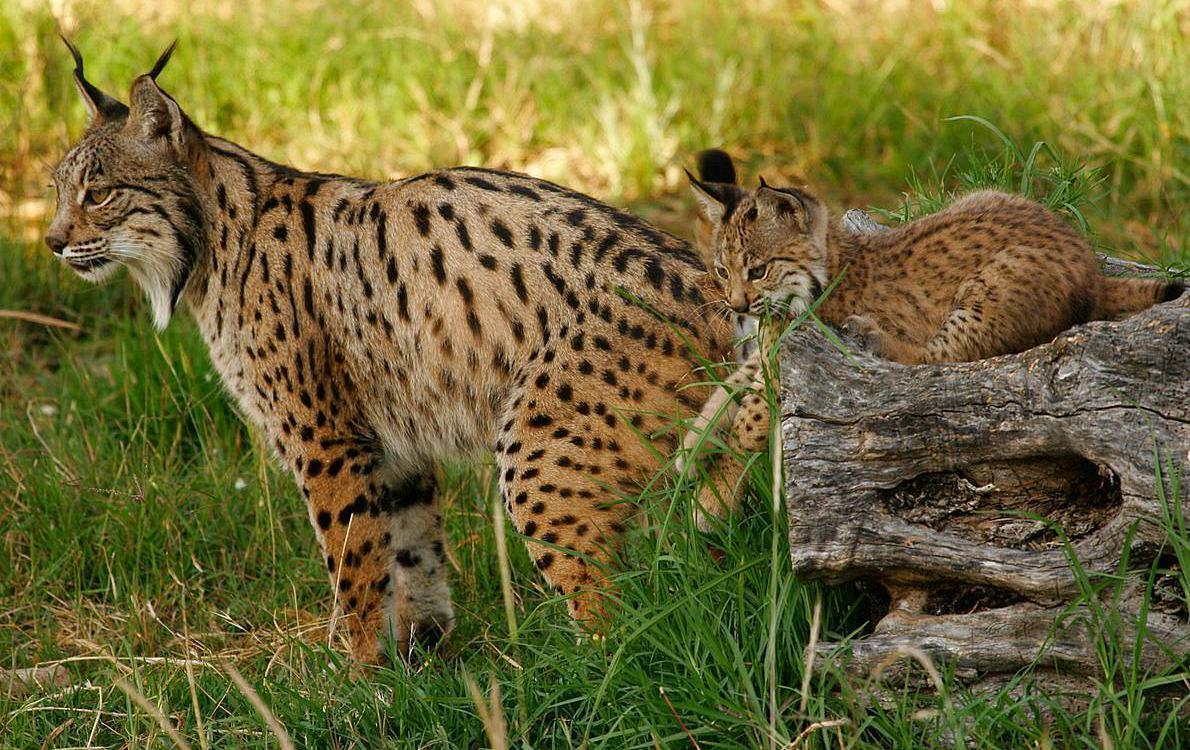
Iberian lynx, Aura who died at the age of 20 but leaves more than 900 descendants (direct and indirect). Picture: O.A. Parques Nacionales @oapngob
Obituaries celebrate the lives of the great and the good. Some wild creatures, surely, deserve similar adulation. In recent weeks we have witnessed the passing of two animals which have made significant contributions to conservation.

Dida, an African elephant, died in Kenya. Aged between 65 and 70, her claim to fame was the size of her tusks; they were the longest ones known for a female elephant. Television appearances of them helped spread the gospel of conservation. As matriarch of her herd at Tsavo National Park she guided her charges through dangers from poachers and the droughts caused by climate change. May she rest in peace.

The other faithful departed was Aura, an Iberian lynx. Hers was a genetic legacy rather than a public relations one. Aristocratic ‘Shergars’, such as Turlough O’Donnell, come to mind. They left a permanent imprint on the human population. Turlough, who died in 1423, had 18 sons and 59 grandsons. He claimed descent from Niall of the Nine Hostages who had a genetic mutation which was carried on the Y-chromosome from father to son down through the generations. One in five men in parts of Connaught today is a direct descendant. There is life after death, for successful genes at least.

Aura made a similar contribution to her species. Captured, as a three-week-old kitten in 2002, she was taken to a breeding centre in the Doñana National Park. With fewer than a hundred of her species left in the wild at that time, taking her for captive breeding was highly controversial. But the gamble paid off; Aura raised 14 kittens.
These have gone on to raise their own young, creating a Turlough O’Donnell-style dynasty in the process. Thanks largely to Aura, and to another productive female named Saliega, there are almost 1,400 Iberian lynx in Spain and Portugal today.
Aura, her keepers say, didn’t suffer fools gladly. Once a female has secured a territory, she seeks out a male with whom to mate but she raises the cubs on her own. Preferring what for her were ‘home births’, Aura had her kittens outdoors.
Captive females often reject their babies but Aura was a devoted mother. Lynx seldom survive beyond the age of 15. Aura reached 20, making her the oldest known member of her species.
The Iberian lynx, Europe’s rarest mammal, once roamed Spain, Portugal and the south of France. Both sexes have tufted ears, short ‘bobbed’ tails and ‘goatee’ beards. Adapted to the warm Spanish climate, their fur is thinner than that of the larger European lynx. Hunting rodents and birds in open forests and on sand-dunes, their coat is lighter coloured.
Rabbits are the traditional prey and the mainstay of the diet. In 1952, myxomatosis was deliberately introduced to control rabbits. The collapse of this prey population in Spain and Portugal had a knock-on effect on the lynx, which fell on hard times.
Regarded as agricultural pests, these cats were hunted for their fur. They are still caught in traps and snares set for rabbits. Cars are a hazard to lynx trying to cross roads.
Thanks to the efforts of the Spanish national and regional administrations, the Iberian lynx has survived.