Blood, guts and suspiciously mangled fins: inside a porpoise autopsy
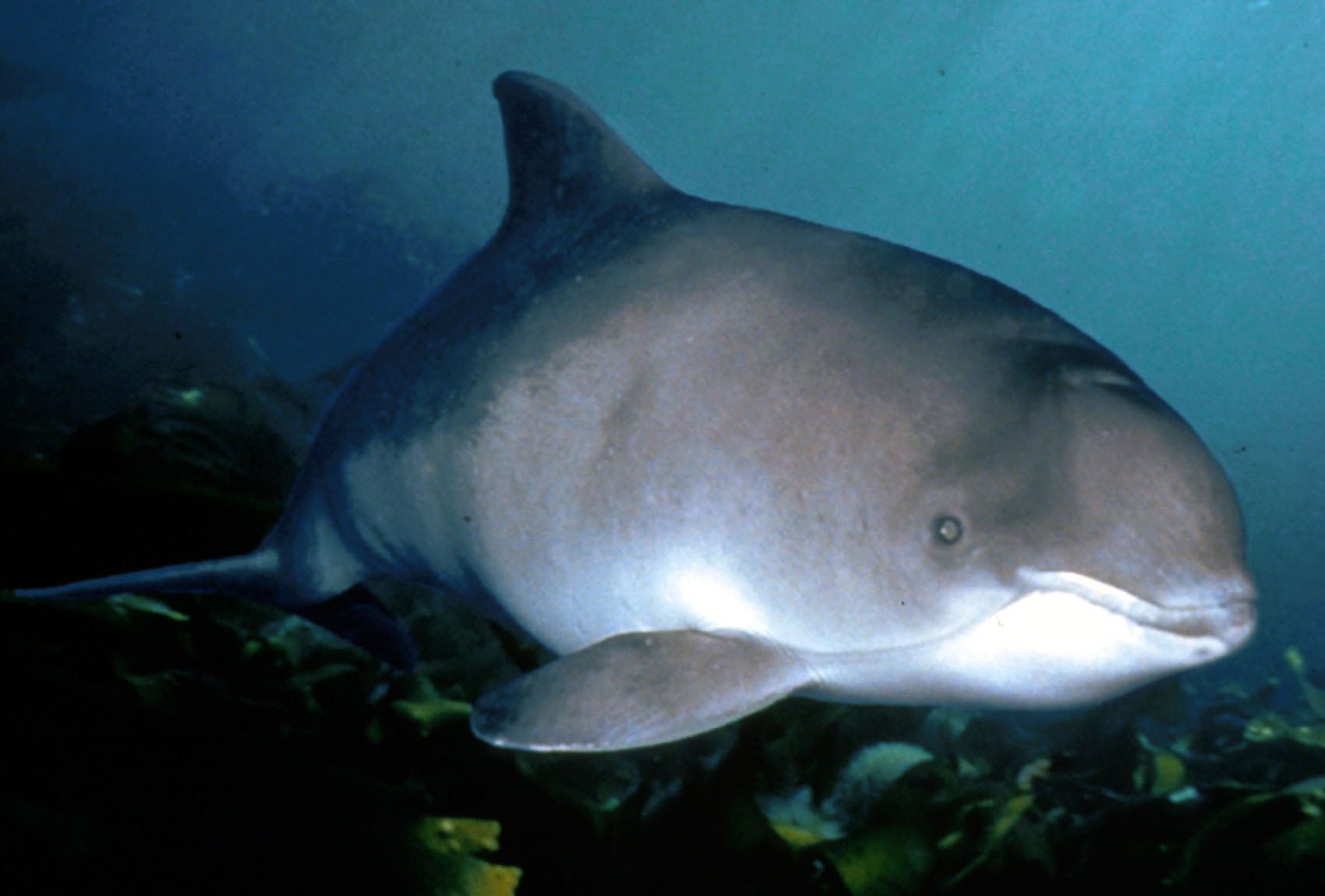
Some of the causes of death of harbour porpoises include starvation, bycatch (being accidentally caught in fishing gear), or bottlenose dolphin attack. Often, however, other underlying factors contribute, including pollution — chemicals, plastic entanglement, shipping noise
The corpse lies on the stainless steel table. Next to it, a tray of sharp blades, pliers, and what look like garden implements. The body — dark-skinned above, but pale underneath — was found on the beach at Barmston, Yorkshire, in March, with its dorsal fin mysteriously missing. It’s a harbour porpoise — and I’m here for its autopsy.
For about 15 years, I have volunteered for Devon Wildlife Trust’s Marine Strandings Network, taking photos of dozens of marine mammals, from decomposing dolphins to scarred porpoises. Each one is a crime scene — teeth marks suggest a bottlenose dolphin attack; a missing tail fluke may be due to stray fishing gear; gashes could be caused by a boat propeller.
When the alert comes, I don my wellies and old waterproofs, then drive to the beach. A box in my car contains everything I need — from clipboard and tape measure to gloves and tags. Even a couple of huge black body bags, just in case. I have to get to the body before the next high tide washes it away.
Usually it’s the landowner’s responsibility to dispose of a dead cetacean (that includes all whales, dolphins and porpoises) that washes up on their beach. But when the carcass is fresh enough, the animal may be sent to London, where a crack postmortem team — made up of strandings scientists, toxicologists and pathologists — try to decipher not only how the animal died but how it lived.
Every year, 150 or so cetaceans get a postmortem through the Cetacean Strandings Investigation Programme (CSIP) — and yes, that’s a perfect acronym for Crime Scene Investigation: Porpoise. Over the 32 years the programme has been running in Britain, it has completed about 4,500 postmortems.
It’s no easy undertaking to get a dead cetacean off a beach — the animals are heavy and time is of the essence.
Usually removing the animal is the end of the story for me, but I’ve always wondered what happens next. That’s how I found myself at the Institute of Zoology, next to the giraffe enclosure at London zoo in Regent’s Park, with the harbour porpoise and a man named Rob Deaville, who calls himself a 'cetalogist', or a strandings scientist.
Today’s specimen has been kept in the freezer since it was found in March, waiting for Deaville, whose primary aim at CSIP is to investigate human drivers of mortality: in other words, who killed the porpoise?
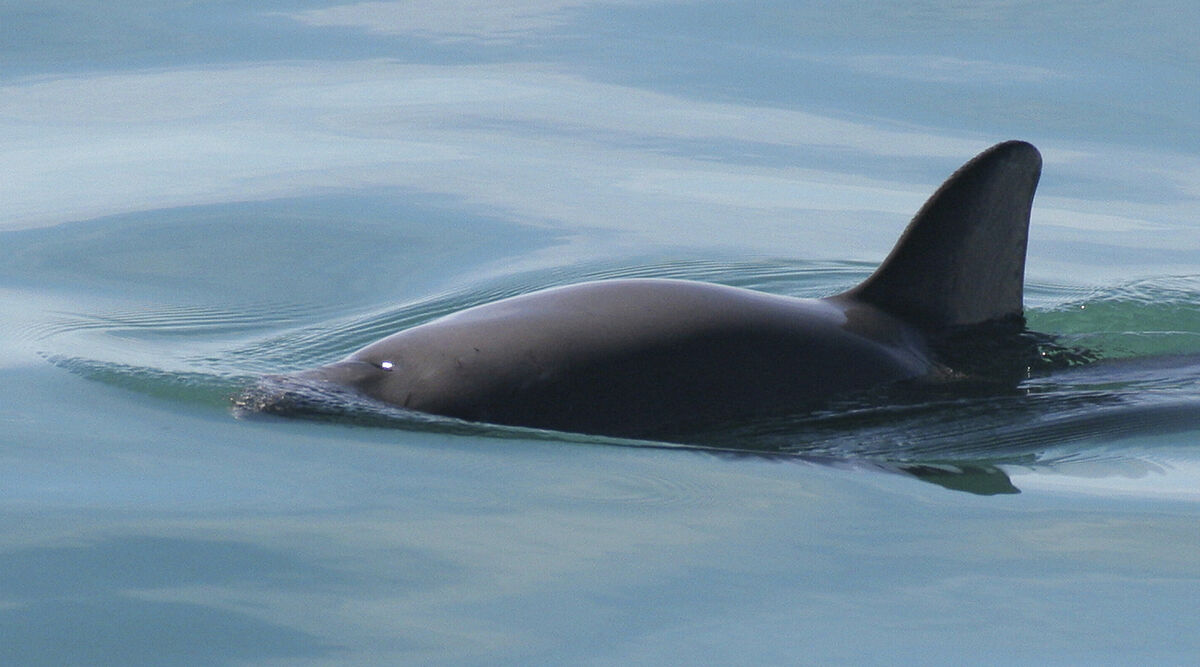
The usual suspects vary, depending on the species. For harbour porpoises, they are often starvation, bycatch (being accidentally caught in fishing gear), or bottlenose dolphin attack. Often, however, other underlying factors contribute, including pollution — chemicals, plastic entanglement, shipping noise.
Every dissection offers a glimpse into this oceanic world, and Deaville has done thousands in his 24 years on the job. “A dead animal on the beach is obviously a sad event but it gives us, as strandings scientists, a unique chance to try to learn as much as possible about them.”
His tools, laid out on a tray in front of us, include a ruler, callipers, various forceps and sharp 10cm-long blades. There’s also a screwdriver, garden loppers and a more sinister-looking circular saw.
First, he makes some detailed external observations of the corpse. Its body is flattened rather than rounded, indicating a poor nutritional state; at 140cm long, Deaville can tell it is an adult, with worn teeth indicating an older adult; a glance underneath the genital slits — cetaceans conceal the penis when not mating, for maximum streamlining — confirms it is a male.
The biggest clue is that missing dorsal fin. Its ragged edge is “consistent with” scavenger action, Deaville says, and there are some healing lacerations around the edge of this fin too — they could be from a grey seal attack, he says. There are similar marks around the head, pectoral fins, and along the left side of the body. Other fresh abrasions on the tail flukes suggest that this animal washed up while still alive, then was injured as it was knocked about.
Deaville takes some tissue samples to age the lesions. They will be sent for analysis to find out how long before death these injuries occurred: “We’re piecing together clues at every stage."
Some of the most valuable information comes from the blubber, the fatty layer beneath the skin that functions as insulation and an energy store. The blubber is where fat-loving, toxic pollutants often end up. “That’s the most important sample we’ll collect because that will go off for pollutant analysis,” says Deaville as he slices off a rectangle of blubber, about an inch thick, from near the base of the dorsal fin.
CSIP has one of the world’s largest datasets on exposure to marine pollutants in cetaceans. Over the years, they’ve tested for a variety of pollutants — from the pesticide DDT to 'antifouling' agents used on boats. Some toxic chemicals, such as flame retardants from furniture and textiles, are declining; others, such as PFAS or 'forever chemicals', are particularly resistant to degradation.
Deaville is most concerned about PCBs (polychlorinated biphenyls) — synthetic industrial chemicals that have been banned globally since the 1980s but continue to accumulate in marine mammals.
The chemicals reduce an animal’s immune function and, “more insidiously”, affect reproduction — as first shown by his CSIP colleagues in 1999 . “So a population of whales might not have a calf for a long time, even though they should be reproductively active,” he says. In 2016, an orca known as Lulu was stranded on the Hebridean island of Tiree and was found to have the highest recorded levels of PCBs in her blubber. “[Orcas] are a top predator and those chemicals accumulate all the way up that food chain,” Deaville says.
As Deaville peels back the blubber layer, he points to various redcurrant jelly-like areas of haemorrhage — evidence of impact when the porpoise beached. He cuts some of the muscle away from the ribcage and uses those garden loppers to cut the bony ribs — it’s a crunchy sound. I’m used to seeing carcasses in the open air, but in an enclosed lab the stench is something else.
Deaville takes swabs from the exposed lungs, spleen, liver and kidney, which a bacteriologist will test for infection. He spots some firm white nodules on the liver, a sign of parasitic infestation, and uses a blade to 'breadloaf' — or cut — parallel lines into the liver. These parasitic lesions are relatively normal for a porpoise.
He weighs one of the testes next — male porpoises invest a lot of energy in mating, produce a lot of sperm and have relatively big testes as a result. Chemical pollution has an impact on their size, though: a 2021 study by Rosie Williams , a toxicologist who works alongside Deaville, correlates high levels of PCBs with reduced testicle size in male harbour porpoises.
Now for the 'deconstruction phase'. The guts begin to spill out of the cavity onto the stainless steel work surface. Deaville casually comments that the smell is getting “a bit funky”. He looks for microplastics — none visible in these innards, but we do find some more standard-issue long, thin parasitic worms, and delicate fish bones: a recent dinner.
As Deaville cuts away at the head, there’s more haemorrhaging and congealed blood. This is where the circular saw gets involved. When he starts on the skull, I step out of the lab to avoid inhaling any aerosols and am grateful for an influx of fresh air. The sound is brutal but Deaville doesn’t flinch. It’s all about retrieving maximum information.
So what killed the porpoise?
“There was evidence of nutritional loss with some atrophy of the main muscle groups,” he says. That will affect the porpoise’s ability to swim, dive and feed. “It’s like a downward spiral.” He found parasites in multiple sites, including the lungs and airways, liver and stomach — but that probably wasn’t enough to kill it.
The lesions around the head are consistent with prior, non-fatal grey seal interactions, Deaville says. An underlying infection may have caused it to live strand. The porpoise’s overall condition suggests there may have been an underlying health problem. “There’ll be more work to follow,” Deaville says.
No murder conviction for now. Toxicology reports can take a year to complete, and the animal most probably died from a cocktail of factors.
Pinning down a cause is complex. It is easier to pinpoint the damage from fishing gear, for example, than it is to prove how diffuse chemical pollution might cause chronic health effects. But without these gory autopsies, pollutants are at risk of being totally invisible. “It’s kind of this forgotten problem,” says Deaville. “They’re living in a soup of issues.”
— Guardian
CONNECT WITH US TODAY



Be the first to know the latest news and updates