Islands of Ireland: Darragh Island — where a row over the seaweed harvest ended up in court
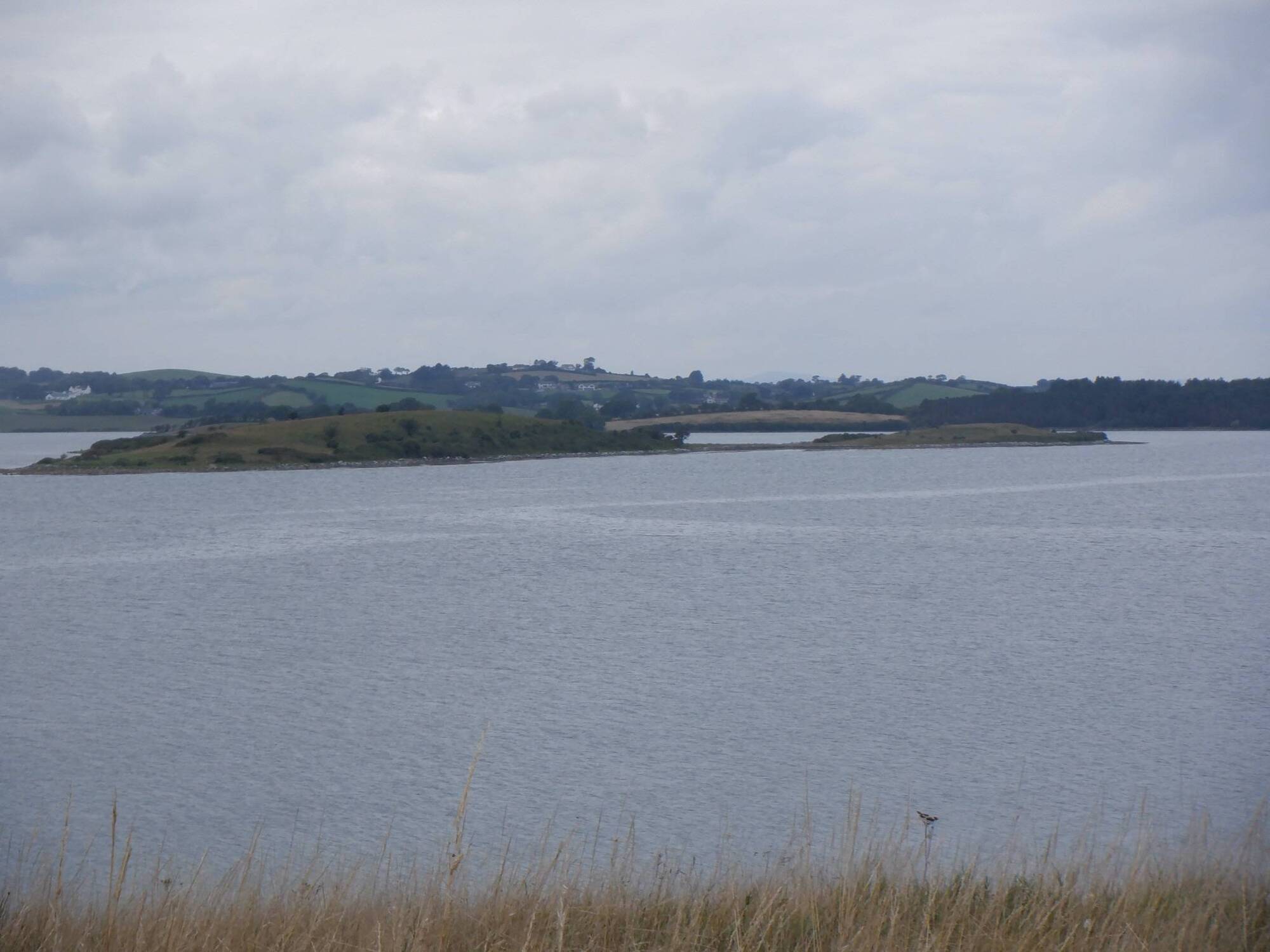
Darragh Island, Strangford Lough, Co Down. Picture: Dan MacCarthy
To paddle among the low-slung islands of the western shores of Strangford Lough in County Down is to trace the route once taken by Ireland’s greatest naturalist Robert Lloyd Praeger. The botanist/writer/librarian (other strings to his bow) was born in Hollywood, County Down and turned over practically every rock and blade of grass in Ireland in his research.
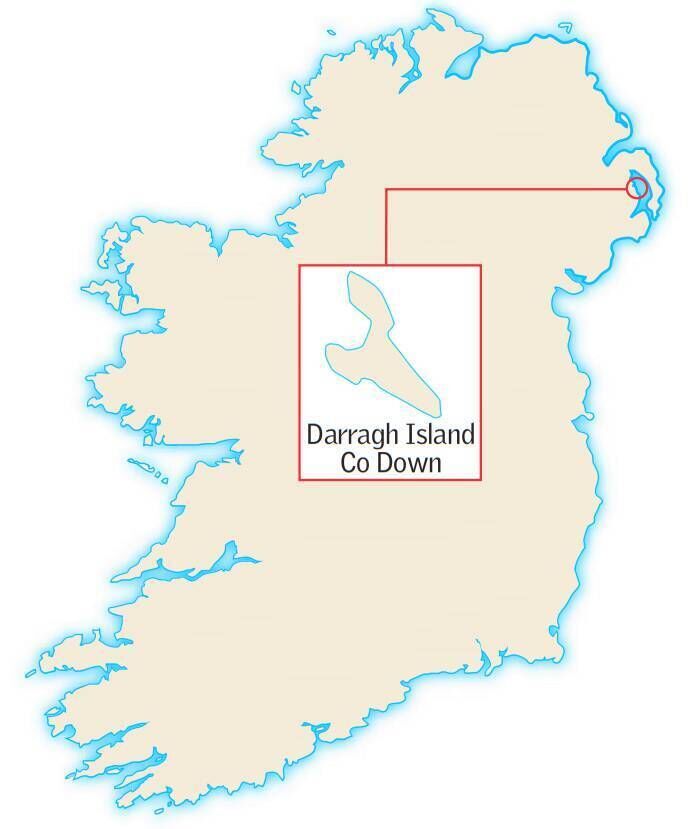
Darragh Island is a 19-acre elongated island with a double personality: The much higher southern part is almost divided from the northern lower part by a curious sea. Between Killinchy’s port of Whiterock and Ringahedy Cruising Club about 5km to the south there are around 15 islands. All have predominantly the same appearance: humpy, grassy islands and generally in a north-to-south orientation. Some stand out over the others: Great Miniss’s Island has a resident population of greater black-backed gulls; Dunsy Island is associated with an oratory.
In The Irish Naturalists Journal in 1893 Praeger described a visit to these islands he made with a party of fellow botanists: “We next visited Trasnagh Island, Craigaveagh Rock, Roe Island and Partan Island. On the latter we had good fortune catching an oystercatcher’s [nest], some tern’s among the seaweed and a merganser’s with seven eggs built among long grass and nettles at the foot of a wall of a ruined cottage.”
Though observing plentiful birdlife on the necklace of islands, Praeger had little to say on Darragh Island except to report that the party had breakfast there. They encountered abundant birdlife represented by terns, plovers and oystercatchers, in particular, on their trip.
Darragh Island is now owned by the British National Trust which is managing the site to encourage biodiversity. A blog by volunteers who work on several of the islands states: “Darragh is a great example of how the correct management can produce species-rich grassland with superb displays of wild flowers and insects.”
The trust uses a purpose-built barge to bring cattle across from the mainland every year ensuring the grass is grazed to maximum height to encourage biodiversity. And the proof of the pudding: the island is carpeted in colourful meadows in the summer. Ironically, when landowners were much more conscious of protecting nature in Praeger’s time, there was probably not such a dedicated attempt to preserve the flora on the island.
It is a curiosity why this island was not more populated over the centuries. There is ample cover from storms and a similarly sized island in the glacial bay on the other side of the island, at Clew Bay, County Mayo, would have provided a home for dozens of people. Perhaps it was to do with the lack of pressure on the mainland which afforded opportunities for people to live. In the south of the country with a population that reached eight million, the pressure to find a space to build a house was enormous.
Darragh island has the fragments of a ruined house and also a semi-intact kelp kiln and store which was used in the harvesting of seaweed. The kelp was also used in the production of glass and soap.
“Some 18th-century entrepreneurs found that if they collected stone boulders from the rocky shore and placed them on areas of sand, they could create the perfect conditions to 'farm' seaweed,” the National Trust says on its website.
Members of a covetous farming community were known to have their eye on the lucrative quantities of seaweed on the island. The Belfast Telegraph reported in the mid-19th century how people would approach the island with horse and cart at very low tide and help themselves to the seaweed. The paper stated “to all these holdings is attached an unlimited quantity of seaweed, which without difficulty can be used for agricultural purposes and to which, of course, a considerable value must be attached”. One holding in the possession of a Michael Stewart landed him in court with the estate owner, a Mr Murland, over insufficient payment for the seaweed harvest. And the ruined kelp store possibly belonged to said Stewart.
:
- Kayak from Whiterock Bay, east of Killinchy, County Down
- strangfordloughactivitycentre.com
- nationaltrust.org.uk
- strangfordloughnationaltrust.wordpress.com
CONNECT WITH US TODAY



Be the first to know the latest news and updates