Richard Collins: Why I am reluctant to set traps for mice in my house
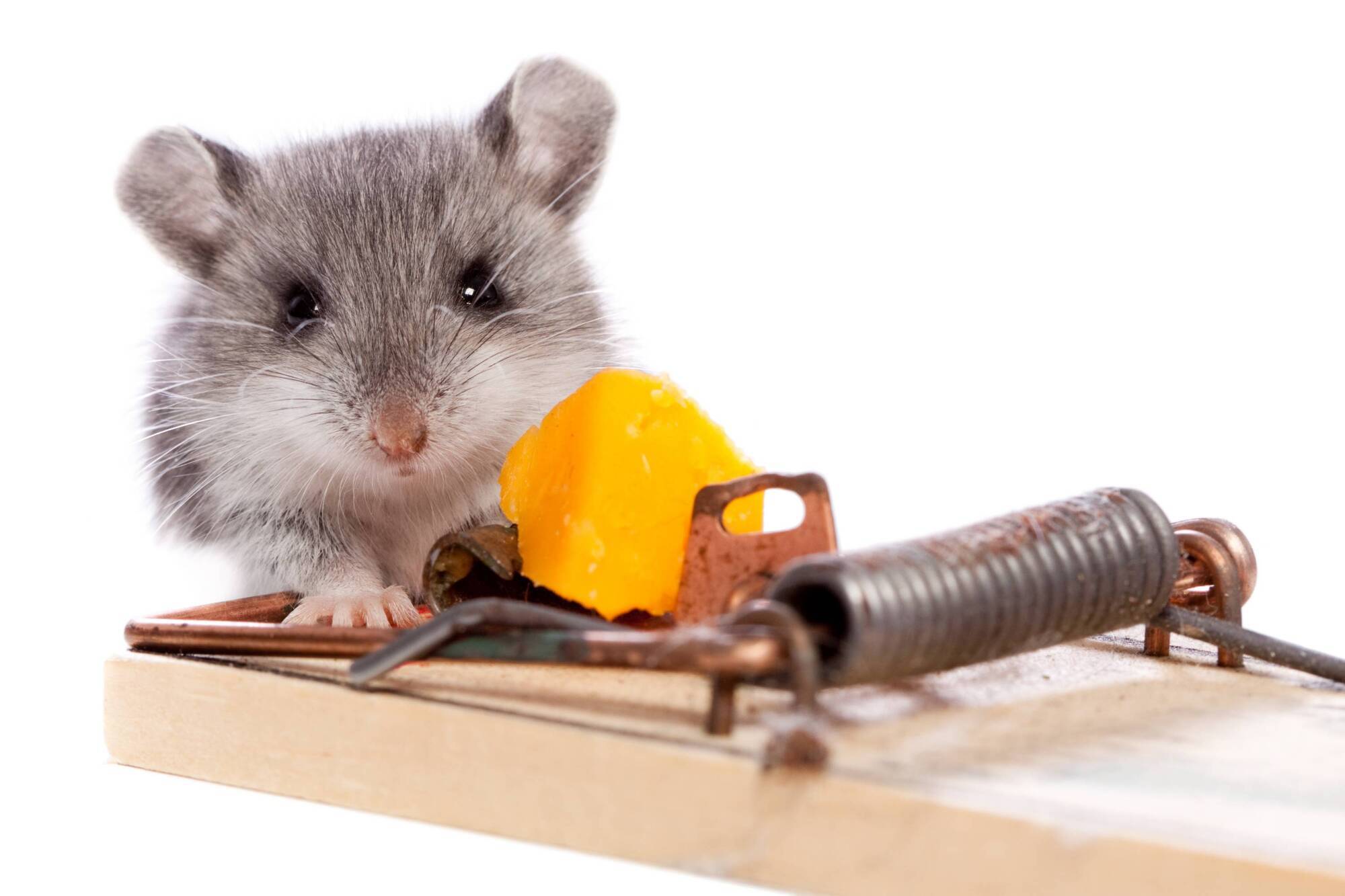
We don’t know the extent of the physical pain they endure, but rodents seem to experience mental anguish.
There is mayhem in our house night after night; Pussy, the cat, goes on mouse-hunting safaris. Most of her victims are caught outside. She brings them in, alive, through the cat flap.
Six mice were killed in the last week alone. Each unfortunate rodent is tormented and released, only to be pounced on repeatedly. Then it is taken to Pussy’s favourite execution site; the landing on the stairs. There the condemned prisoner is put through the feline equivalent of hanging, drawing and quartering. Entrails, headless torsos, and mouse tails with bits of rump still attached to them turn up in unlikely corners.
This is something of a guilt trip for me. Mice are not welcome in the house; their urine and droppings contaminate food and cause diseases with evil-sounding names. But, hunted by foxes stoats and birds of prey, the house mouse is a ‘keystone’ wildlife species, one on which other creatures depend.
I am loath, therefore, to set traps for mice. Pussy, my hired assassin, gets me off the hook; she does the dirty work for me. But why must she torment her victims so? The mice must suffer horribly on Pussy’s equivalent of the scaffold at Tyburn.
We don’t know the extent of the physical pain they endure, but rodents seem to experience mental anguish. A link between emotional stress and the digestive system has been demonstrated in mice. A Caltech-led team has been researching the influence of their gut bacteria on the behaviour of these rodents. A paper has just appeared in .
Quadrillions of bacteria, fungi, single-celled animals and viruses live in the food canal. Weighing up to 2kg, the human gut ‘microbiome’ is larger than the brain. This parasitic community, a virtual organ of the body, is essential for digestion.
It produces hundreds of neuro-chemicals, some of which, recent research shows, influence mental processes. Serotonin, for example, plays an important role in mood, emotions, and sleep; about 95% of this neuro-transmitter is created by our gut bacteria.
People prone to anxiety seem to have gut communities that differ from those of more relaxed individuals. It may even be possible to change behaviour by altering the composition of the digestive microbiome. Having a ‘gut feeling’ is more than a metaphor.
The Caltech-based team have used mice as ‘guinea pigs’ to identify the processes by which gut and brain communicate. The researchers showed that the presence of a metabolite, known as 4EPS, triggers anxiety in laboratory mice. Produced by a bacterium, it enters the bloodstream and travels to the brain.
Scientists, of course, will speak only of "anxiety-resembling symptoms", such as a mouse hiding from the world, refusing to indulge in normal mouse explorations of the environment or spending less time exposed to ‘normal’ dangers.
By building on their previous work, the team has managed to flesh out, some at least, of the process linking gut and brain.
But what should I do about Pussy? "Nature," alas, "is red in tooth and claw" and cats will be cats.
- Brittany Needham et al. A gut-derived metabolite alters brain activity and anxiety behaviour in mice. 2022