Richard Collins: No cock of the walk if you’re a male pheasant
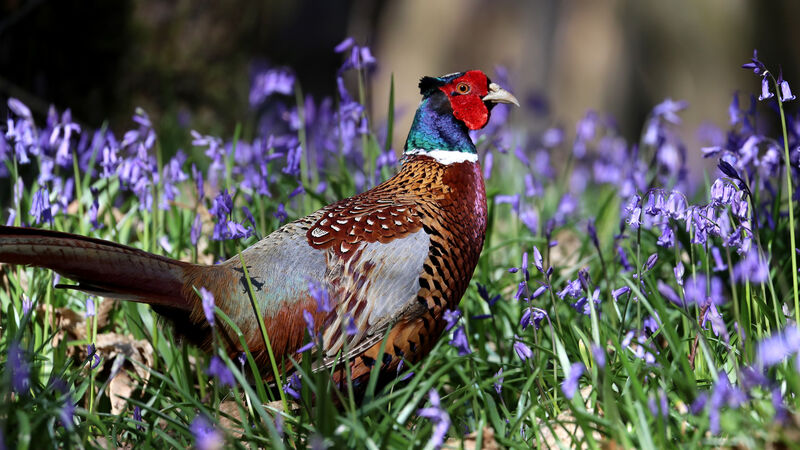
The pheasant equivalent of the farmyard cock’s crowing is heard increasingly from late winter onwards
Richard Collins: No cock of the walk if you’re a male pheasant

A male pheasant usually secures just a few partners but harems of up to 18 have been recorded
WHAT is it like to be a bird? Not much fun, it would seem, if you are a cock pheasant. Hen pheasants can’t be shot legally but males are fair game from November to January.

Being blasted out of the sky in a hail of lead-shot is not a young male’s only worry. Oddly, shooting pressure may even be a blessing in disguise for survivors. It reduces competition during the next stage of life, when love and war dominate the agenda.

These distant relatives of the domestic chicken like to congregate in winter, often in sexually segregated groups. Hierarchy is the order of the day in such gatherings; youngsters jostle for position in the pecking order. Nor is there time to lose; they will reach maturity in less than a year.

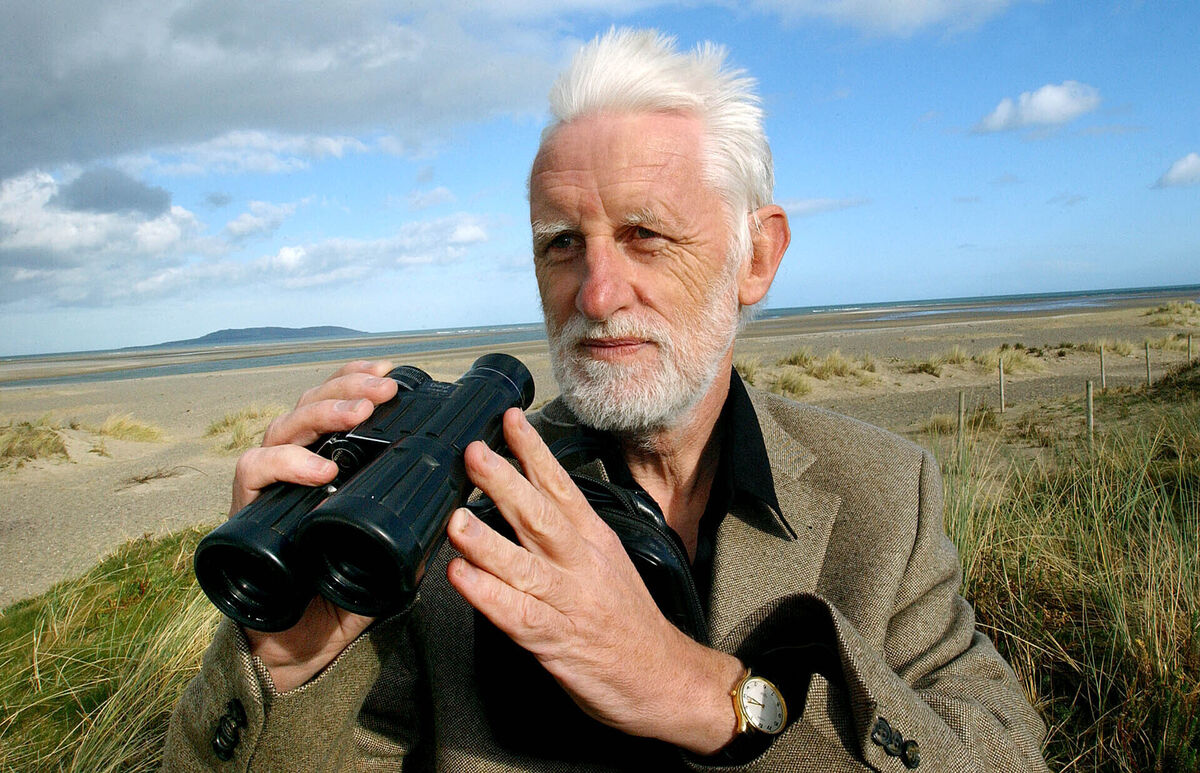
Richard Collins: 'The male pheasant’s lot is stressful and he must keep a cool head during the trials of life.'

“Korrk-kok korrk-kok”, the pheasant equivalent of the farmyard cock’s crowing, is heard increasingly from late winter onwards; a land grab is underway with males staking out breeding territories.
Females wander about, sizing up what’s on offer. It’s important to have a well-endowed buck sire your offspring. A few females may insist on one-to-one monogamy but most hens are willing to share in a polygamous
arrangement. A male usually secures just a few partners but harems of up to 18 have been recorded. In an American experiment, in which all rival males except one were eliminated, the lucky cock mated successfully with 50 hens.

The male pheasant’s lot is stressful and he must keep a cool head during the trials of life. Now, scientists from Exeter University have measured the temperature of your typical pheasant’s head during the heat of
confrontation.

At a research farm in Devon, 126 pheasants, six to seven months old, were monitored on thermal cameras, which measured their temperatures unobtrusively, the birds being released to the wild after the
experiment.

The responses of males, as social conflict loomed, turned out to be rather similar to those of humans.

It is no accident that white is the colour of the flag of surrender and that cowards are said to “show the white feather”. We become pale with fear, and “get cold feet”, because
our bodies divert blood to the limbs in the flight or fight reaction. Students may even experience stress-induced hypothermia during exams.

The Devon experiment showed that, likewise, the temperature of a cock pheasant’s head drops during conflicts for position. Once the hierarchical who’s who has been established, the blood returns and normal service resumes. You might expect that only the loser in a confrontation would be affected but that proved not to be the case. The heat drains from the heads of both parties in dispute. Nor does position in the pecking order matter; both triumphant top-dogs, and losers facing social defeat, are equally affected. Hens tend to lose their heads also, but to a lesser extent. Kipling would have been impressed.

  • Sophia Knoch et al. ‘Hot-headed Peckers: thermographic Changes during Aggression among juvenile Pheasants’. Philosophical Transactions of the Royal Society B. 2022
x

More in this section

Revoiced

Newsletter

Sign up to the best reads of the week from irishexaminer.com selected just for you.

Cookie Policy Privacy Policy Brand Safety FAQ Help Contact Us Terms and Conditions

© Examiner Echo Group Limited