Great art meets great funds at The European Fine Art Fair
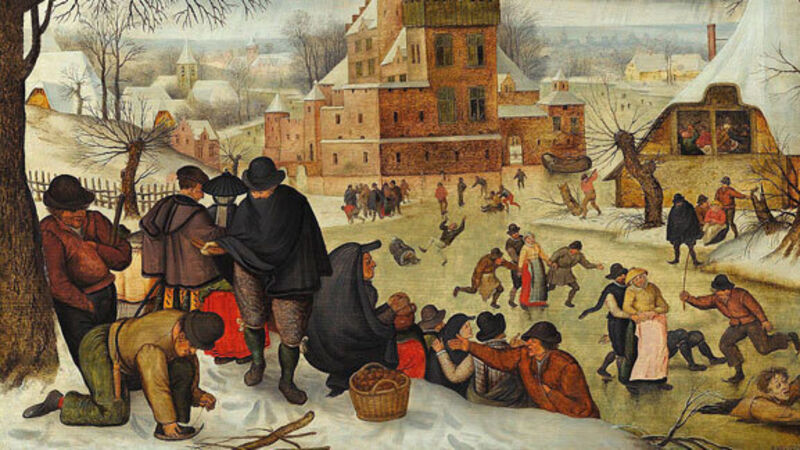
IT is a fair like no other, anywhere. TEFAF, The European Fine Art Fair — an annual extravaganza that has been located at Maastricht in the Netherlands for the past 30 years — lived up to its lofty reputation in 2017.
With so many exceptional works of such consistent quality — no other fair boasts anything quite like this event. The leading art and antique dealers in the world assemble at Maastricht every year in March.
They bring with them an array of treasures that attract the curators of major museums, the ultra wealthy and the interested, like bees to a honeypot. And what a honeypot this is.
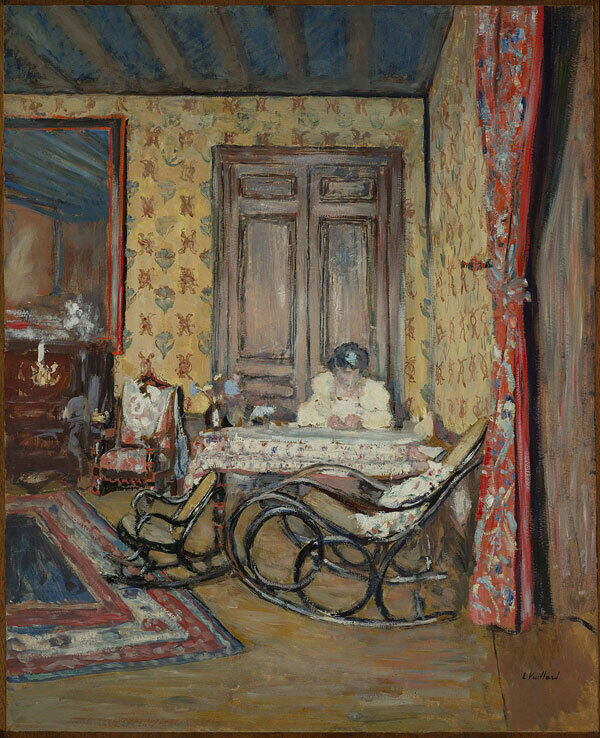
From Ancient Egyptian basalt sculptures to medieval illuminated manuscripts to fine antique furniture to art from Pieter Breughal to Nan Goldin by way of Renoir and Van Gogh — to jewellery, works on paper and the finest porcelain and glass — it is, not to put a tooth in it, gobsmacking.
The breadth and range of objects at what is justifiably billed as the finest fair in the world was nothing short of extraordinary.
As a writer on antiques in Ireland, TEFAF has been on my radar for a long, long time. Somehow I had just never got round to it. Until now.
I have been fortunate to attend many fine fairs over the years, from the old Grosvenor House fair in London to the Armoury Show in New York to Masterpiece and a range of other leading international art and antique events. They are deeply impressive and well worth going back to, again and again.
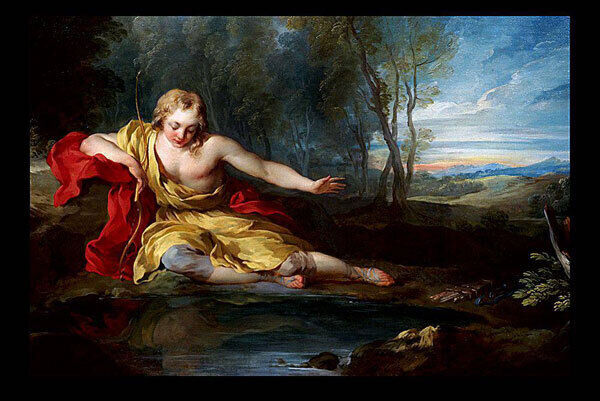
Could TEFAF really be as good as the billing it gets? Oh yes it could — it is in a stratospheric league of its own. On the surface it is not unlike going into any major fair anywhere.
There is always so much to take in that my strategy is to whizz around, see what catches the eye, then retrace my steps at leisure. This is hard work, but deeply rewarding.
As a strategy, however, this does not really work in Maastricht. There is so much quality everywhere that whizzing past is impossible.
It felt like being in one of the world’s major museums, with the difference that everything displayed here is available to buy.
My initial response was a growing sense of confusion. Is that really a Van Gogh painting? How can this be? I’ve never seen one at a fair before?
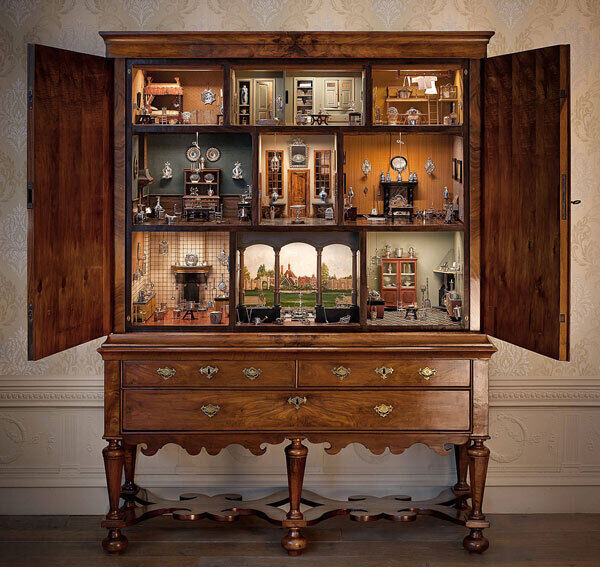
The discriminating billionaire customer — the kind that dealers and leading curators at TEFAF want to keep sweet — can rest assured on that score, knowing that if it is on display at TEFAF, it is exactly what it says on the tin.
The vetting process is as meticulous as it is rigorous. If it is not proven to be authentic, it does not get in, or go on show.
This is a global fair. In 2017 it attracted more than 71,000 visitors from 60 countries to view the wares of 275 dealers. Sales were reported across all price points by a mix of private and institutional buyers.
Taco Dibbitts, general director of the Rijksmuseum, is thrilled with one acquisition in particular.
The natural history paper museum of the Holy Roman Emperor Rudolph II, purchased by a private collector from Antiquariat Bibermuehle AG Heribert Tenschert for a seven-figure sum, will be on long-term loan to the museum.
The unique collection of 750 watercolours of animals, birds and plants from the late Renaissance period compiled between 1596 and 1610 by Anselmus de Boodt was, according to Dibbits, the absolute sensation at TEFAF.
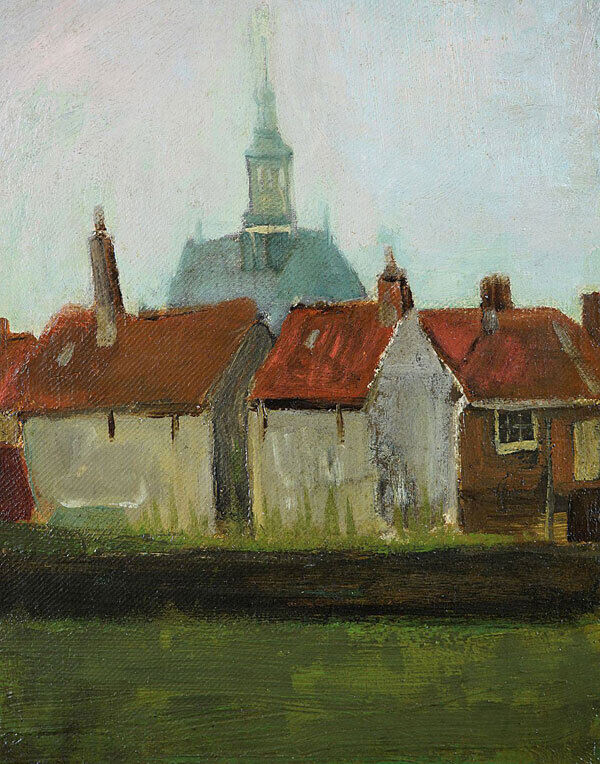
Within ten minutes of the opening of the preview, London dealers Colnaghi made a £5m sale of a previously unknown masterpiece by Bartolomeo Cavarozzi (1587-1625). The work has been in the same family collection for over a century and had been misattributed. Van Gogh’s view of in The Hague was priced at €2.25m at Gallery Albricht.
An illuminated manuscript on parchment with 78 miniatures by the Master of the Coronation of Charles VI — c1370-80 at Les Enluminures was priced at $4.5m. It was once in the collection of Chester Beatty.
The same stand reported a sale to the German government of a 1,000-year-old Gospel Book of Liesborn Abbey in Westphalia for more than $3m.
London dealer, Richard Green, reported strong interest in his Old Master offering, with three works from the Dutch room on reserve with two US museums.
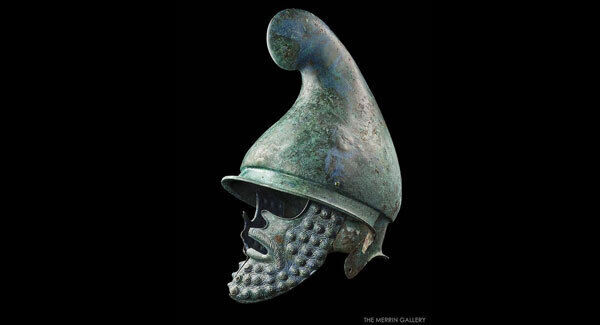
Lewis Smith of Koopman Rare Art remarked that people have been making up their minds to buy very quickly, which is encouraging and bodes well for the market in general.
A museum in Asia bought a Qianlong period model of a monkey group for a high five-figure sum at Jorge Welsh.
A monumental work by Jean Dubuffet (1901-1985) — — was sold by Landau Fine Art to a private collector. It had an asking price of $6.5m.
TEFAF combines ancient, antique, modern and contemporary work. ‘Modernity’ sold numerous pieces by Scandinavian designers including an armchair by Peder Moos (1906-1991) of Denmark to a private US collector.
Charles Ede sold a 2nd century BC Graeco-Roman large footed basin with an asking price of £160,000 (€190,000).
TEFAF had its first outing to New York last autumn and returns to New York from May 4-8 with an anticipated show of modern and contemporary art and design.


CONNECT WITH US TODAY



Be the first to know the latest news and updates