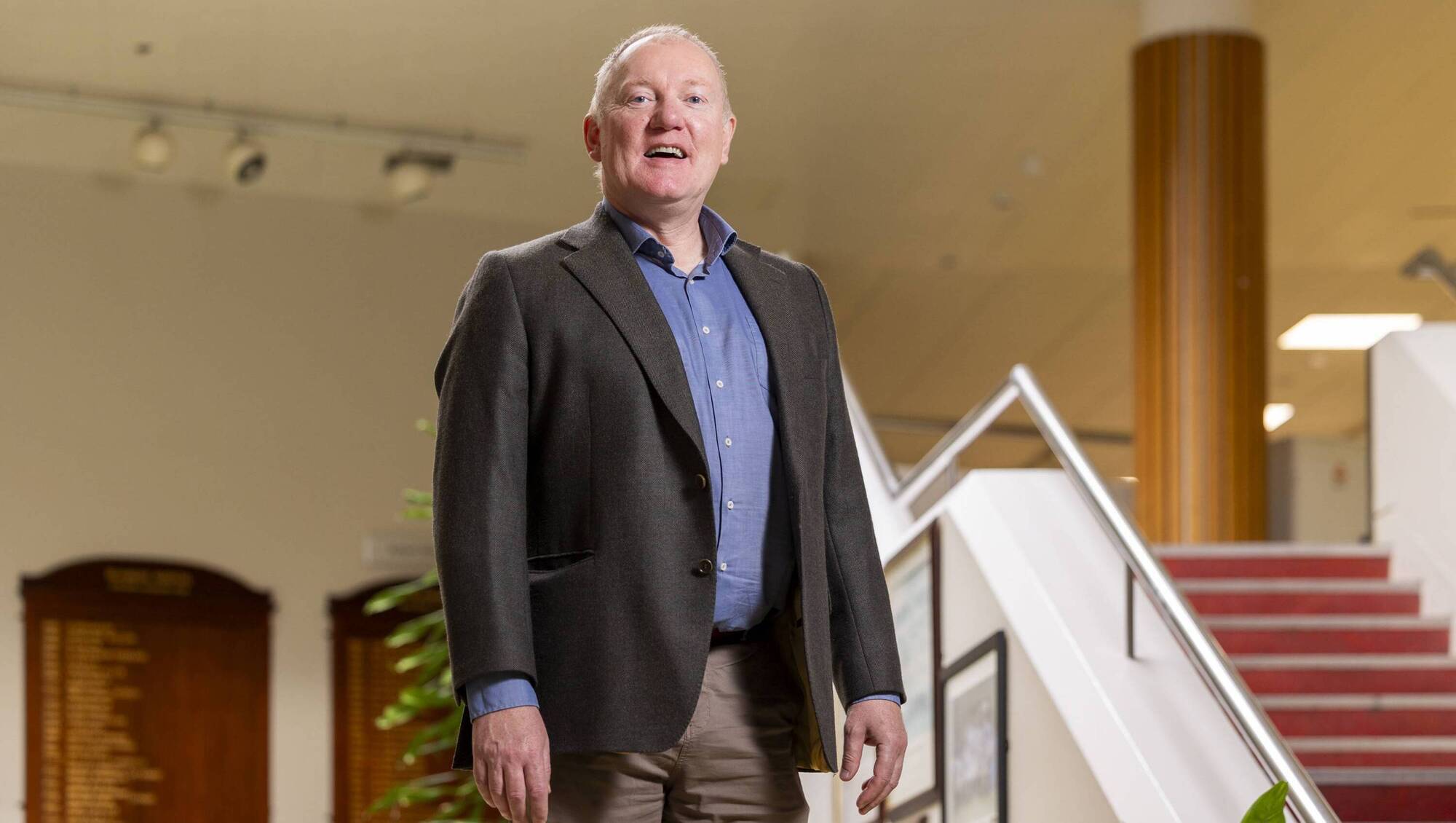
Working Life: John Herbert, manager, National Poisons Information Centre (NPIC), Beaumont Hospital
A temporary role in the poisons information centre became a 30-year career
John Herbert, NPIC manager: 'Summer tends to be busier. The kids are off school and getting up to mischief. We get calls from parents of young kids who’ve ingested household cleaning products looking for information and advice.'
John Herbert, manager, National Poisons Information Centre (NPIC), Beaumont Hospital
“I studied analytical science in DCU and subsequently completed a postgraduate diploma in medical toxicology from Cardiff University. I was working in the toxicology laboratory at Beaumont Hospital when a locum job came up in the NPIC.
This is exclusive subscriber content. Already a subscriber? Sign in
Eat better, live well and stay inspired with the Irish Examiner’s food, health, entertainment, travel and lifestyle coverage. Delivered to your inbox every Friday morning.
Eat better, live well and stay inspired with the Irish Examiner’s food, health, entertainment, travel and lifestyle coverage. Delivered to your inbox every Friday morning.
Our team of experts are on hand to offer advice and answer your questions here
This July, take five simple steps towards a healthier, more balanced life in our Irish Examiner five-week series.