Natural health: My teenage son has bad acne, how can he heal it?
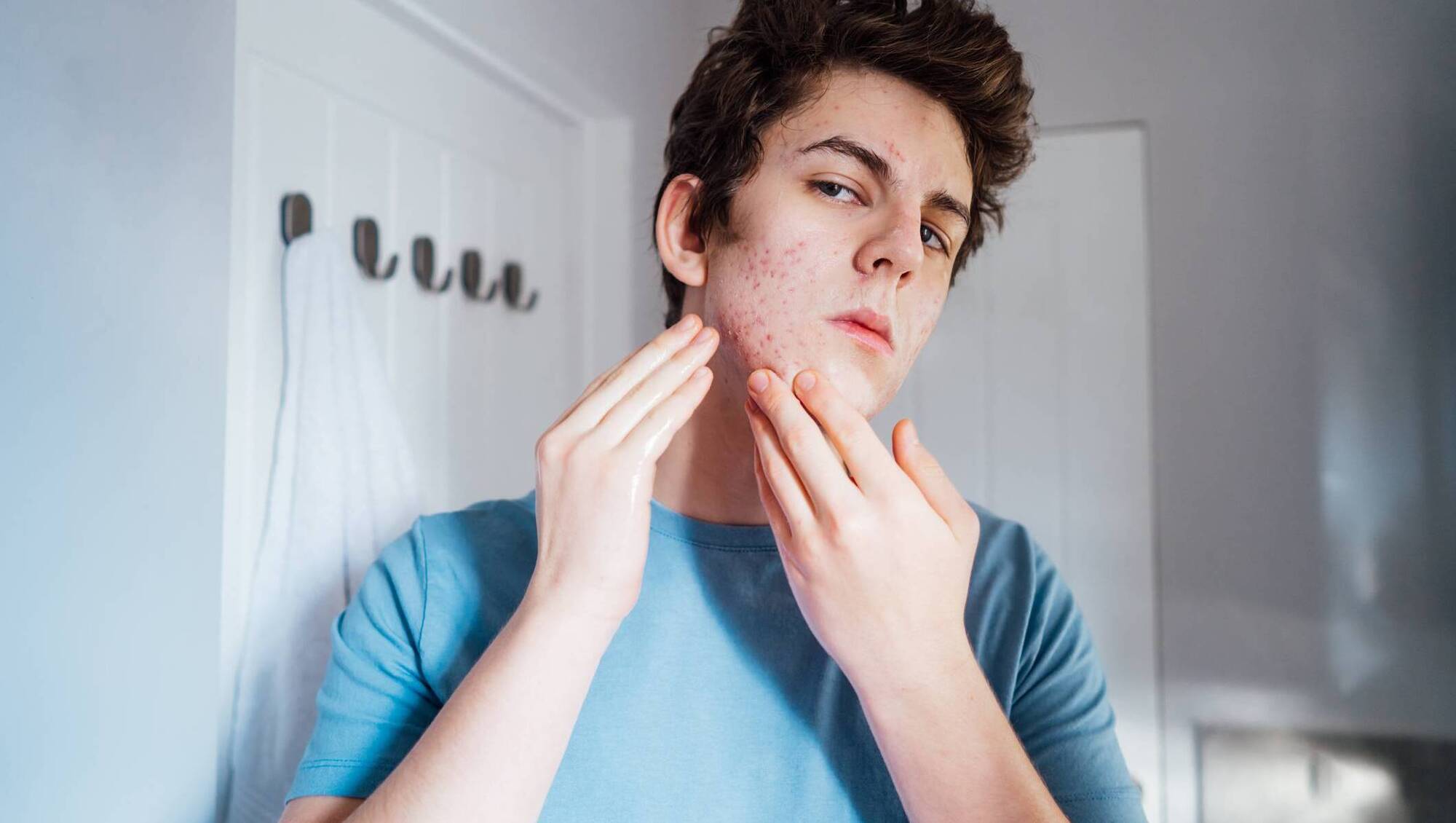
Zinc is what the body needs to improve skin integrity, especially in healing and scar repair. Zinc even plays a role in the regulation of oil production in the skin.
The remedy I am going to suggest is not only crucial for skin health and repair, it is also super important for teenage boys. Zinc is a key nutrient for boys during a time of rapid physical growth, hormonal and sexual health demands on the body, and immune support.
It is also what the body needs to improve skin integrity, especially in healing and scar repair. Zinc even plays a role in the regulation of oil production in the skin. Low zinc levels often show up as slow wound healing, spots and acne, recurrent infections, and a tendency for the skin to develop stretch marks and scarring.
Good dietary sources of zinc include nuts, beans, dairy products, chickpeas, fruit, eggs, wholegrain cereals, pumpkin seeds, potatoes, figs, yeast, tahini, and most meats.
I’m impressed to hear your son is already taking great care of his diet, since this is foundational in treating any skin conditions, especially cutting out sugary and processed foods and drinks.
Although many teenagers with spots tend to be wary of oils in the diet or on the skin, healthy oils and fats can be useful both topically and nutritionally when it comes to wound-healing, particularly in treating and preventing scar formation.
He might also like to try an organic sulphur (MSM) lotion. Sulphur is a key component in tissue growth and repair, and is a crucial factor in the production of both keratin and collagen. Check out MooGoo’s Soothing MSM moisturiser at moogoo.ie.
It is fabulous your mum is making the most of the summer heat and enjoying it while it lasts. Our bodies are wired to make the important hormone known as vitamin D through being exposed to sunlight, and we only need as little as two hours of sunshine per week.
The good thing is that your mum will be storing vitamin D as she gets out and about socialising, and this will help her along during the cooler months.
It is important to note that even on days when the sun is behind the clouds, you can still get the same benefits of sun exposure, so if she can manage to get her two hours a week out and about during autumn, then she should notice less of a drop in her mood.
Your mum may benefit from managing her vitamin D levels. Vitamin D is linked with serotonin production, which helps to balance out mood and manage our sleep-wake cycle. It is super simple to supplement with vitamin D3, although it is important to choose a supplement that also provides vitamin K2 to make sure that calcium is directed to the bones and teeth rather than accumulating in soft tissues and arteries.
Blue light, the light that is naturally emitted by the sun, can help us to feel more alert and set our circadian rhythm in the morning for the day ahead. Research in 2011 found blue light therapy significantly reduced depression scores in a group of individuals aged 60 and over who had been diagnosed with major depressive disorder. The treatment group were exposed to 7500 lux of bright blue light for one hour each morning for three weeks.
Participants in the study also noted better sleep following the blue light treatment. Biochemical markers identified a significant lowering of cortisol levels (responsible for stress), and a marked increase in melatonin levels (responsible for sleep).
In its artificial form, blue light is emitted by smartphones and devices and can cause eye strain, as well as affecting our circadian rhythm in the hours before sleep.

CONNECT WITH US TODAY



Be the first to know the latest news and updates