Working Life: Genetics can help when traditional approaches reach their limits
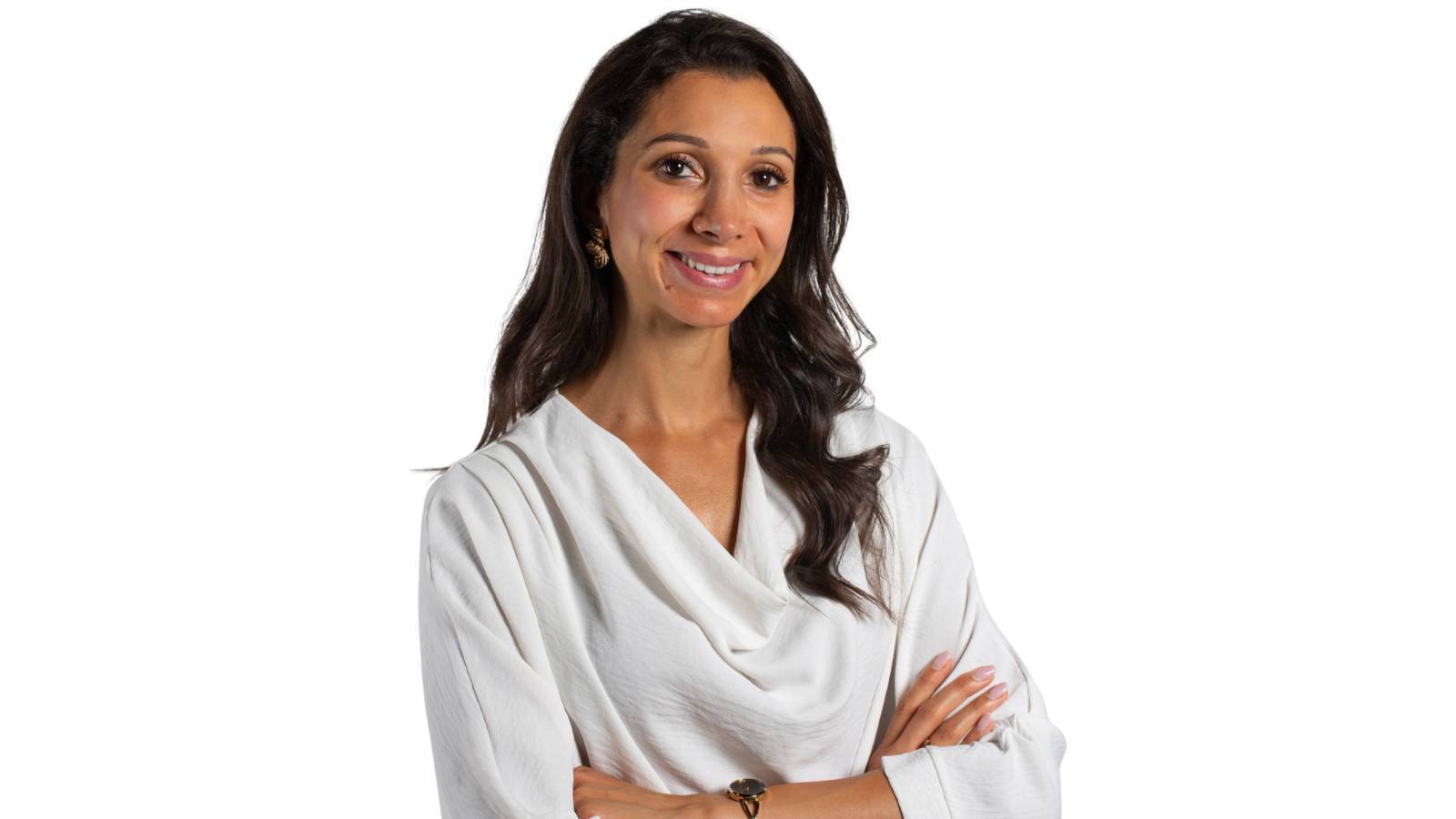
Dr Sofia Nunes, consultant clinical geneticist, Mater Misericordiae University Hospital, Dublin.
“I’m from Lisbon, where I studied medicine at Nova Medical School. After completing a year of general internship working with different specialities, I found it hard to commit to any particular one. I wanted something intellectually demanding and continually evolving. I recognised that conventional medicine does not always provide all the answers, and this led me to my higher specialist training in genetics, a field that can help bridge gaps when traditional approaches reach their limits.
“I dedicate a great part of my time to cardiogenetics. A patient might have a clinical diagnosis such as arrhythmia or cardiomyopathy, and I need to determine if the condition has a genetic cause. Different genes are associated with different conditions, and knowing the gene will have a huge influence in terms of clinical management, prognosis, family planning, and cascade screening. The latter is a process used in genetics to identify relatives of a person with a confirmed hereditary condition, enabling the early detection and management of at-risk family members.
“We have some patients referred to us by [doctors from] other specialities who were unable to identify what is going on, or maybe they have a suspicion that they would like us to investigate. I find working out the diagnosis very rewarding, despite the delicate conversations that can follow life-altering results. I love my work and feel privileged to be one of the few consultants in this field nationally.
“Alongside patient care, I’m also co-lead of the Mater Next Generation Sequencing (NGS) Laboratory, working closely with scientists and clinicians on the interpretation and validation of genetic test results. Our service is leading the transition from outsourced genetic testing to in-house NGS diagnostics while supporting multidisciplinary collaboration across specialities, including metabolic diseases, ophthalmology, neurology, immunodeficiencies, and cancer genetics. Integrating detailed clinical phenotyping with genomic data enables more informed diagnostic and management decisions, ultimately improving patient care.
“The lab sequences DNA from a patient sample, such as blood, and compares it with a standard human reference genome using specialised software. When variants are identified, we need to interpret and classify them. There’s a sliding scale of harmless/not harmless when it comes to variants.
“Outside of work, I enjoy travelling, spending time with my five-year-old daughter Carlota, and staying active through regular exercise. Running and Latin dancing are particular favourites, helping me maintain both physical and mental wellbeing.”