Sperm on the move at same pace across the world
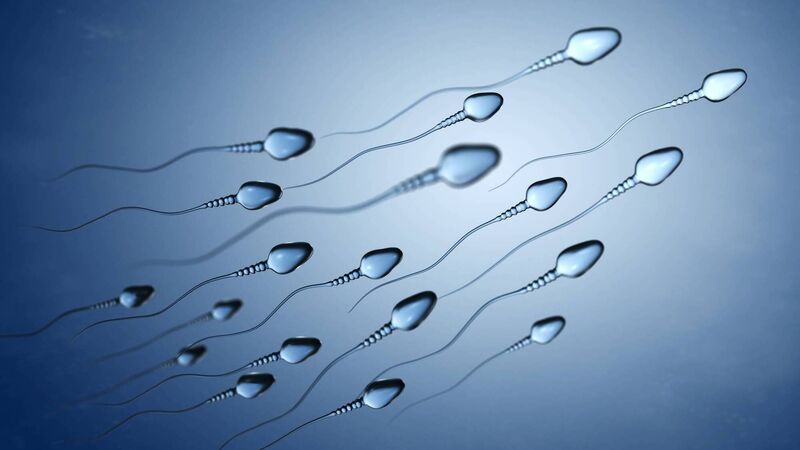
Improvements in concentration and motility take time to show. New sperm typically need 72 days to form, Picture: iStock
Sperm motility is consistent across climates, but varies with the seasons, a study published in the journal has shown.
The study analysed semen samples from 15,581 men aged between 18 and 45 in Denmark and Florida, and the researchers were from Britain, Canada, and Denmark.
Sperm motility, meaning the ability of sperm to swim effectively, was highest in June and July for both parts of the world, despite the differences in climate.
Though there was no difference in sperm concentration (the amount of sperm produced) or ejaculate volume, seasonal patterns may affect male fertility and could optimise the timing of treatment and fertility testing.
Couples trying to conceive should read on before locking themselves away for the summer, however.
Dr Tim Dineen, of Waterstone Clinic, in Cork, says there are three sperm-quality indicators: Concentration, motility, and morphology (the shape of the sperm).

Dineen says: “The first thing we look at is concentration, which should be 15m or 16m sperm per ml, or a total count of at least 39m sperm in the total volume of ejaculate.
“Then, you need to look at motility, the percentage of sperm that have forward progression, and, for that, you’re looking for at least 42%.”
There will always be sperm in the ejaculate that are not moving or that have tail movement, but are not really getting anywhere, says Dineen. “It’s those 42% that are moving properly that you’re hoping will get to an egg and fertilise it.”
The clinic, he says, will always check for morphology or the shape of the sperm’s head, neck, and tail. “We want at least 4% showing normal shape, normal morphology.”
While the shape of the sperm might have some bearing on conception, concentration and motility make the biggest difference, Dineen says.
So, can men do more to turn their swimmers in to world beaters, and what should they avoid or get more of to strengthen their sperm?
“The biggest issue is smoking,” says Graham Coull, group scientific director at Sims IVF. “That includes vaping, which has also been shown to negatively impact sperm.

“Excessive alcohol intake and a poor diet are not good either.
“The Mediterranean diet is currently considered the best for fertility in both males and females.”
Latin food might help, but prospective fathers should hold off before moving to the lands of passion and l’amore, where temperatures can make it all a little too hot and steamy for the testicles.
“Heat is not good for the testes,” says Coull. “Sperm is best when the testes are two degrees colder than the rest of the body, which is why they are outside the body. So stand up more, switch to loose-fitting underwear, and avoid saunas and hot baths. Even resting a laptop directly on your lap isn’t helpful, and new studies have suggested that keeping your mobile phone in your trouser pocket may impact sperm health.”
Somewhat paradoxically, Coull advises against some of the more manly activities, such as marathons, long-distance cycling, and long sessions in the gym.
Steroid use is also a big no-no. Instead, he suggests moderate, regular exercise, which boosts natural testosterone levels and helps sperm be as healthy as possible.
Although taking measures like these can help some, they won’t help everyone.
“Typically, if you have a man who is at 5m sperm per ml, they are not going to be able to bring it up to that desired 15m or 16m per ml, no matter what they do,” says Dineen.
“Those guys who are borderline, with diet and health changes, will have a better chance of bringing it up.”
Improvements in concentration and motility take time to show. New sperm typically need 72 days to form, according to Coull, so that “any changes you make to diet, and so on, won’t be fully seen for three to six months”.
Dineen is keen to stress that even if sperm count is low, couples can still get pregnant spontaneously.
“It’s simply that the chances are greatly reduced with some of those sub-optimal parameters,” Dineen says.
More sex might increase the chances, because there is some evidence that more ejaculations “do help to clear out the old sperm”, Dineen says, but he suggests that men get a sperm analysis off the bat, to see how healthy their swimmers are before they embark on their intrepid journey into the female reproductive tract.
“Sperm analysis is inexpensive, non-invasive, and it gives us really important information,” says Dineen. “We would suggest that guys should man up and not just push it down the line or have the attitude that the responsibility [for the pregnancy] is solely down to the woman. They should also be more conscious of getting a semen analysis, just to see where they are at, in the first instance, and also be prepared to take necessary steps to get to where they both want to go.”
CONNECT WITH US TODAY



Be the first to know the latest news and updates