Putting your fears to rest long before your deathbed
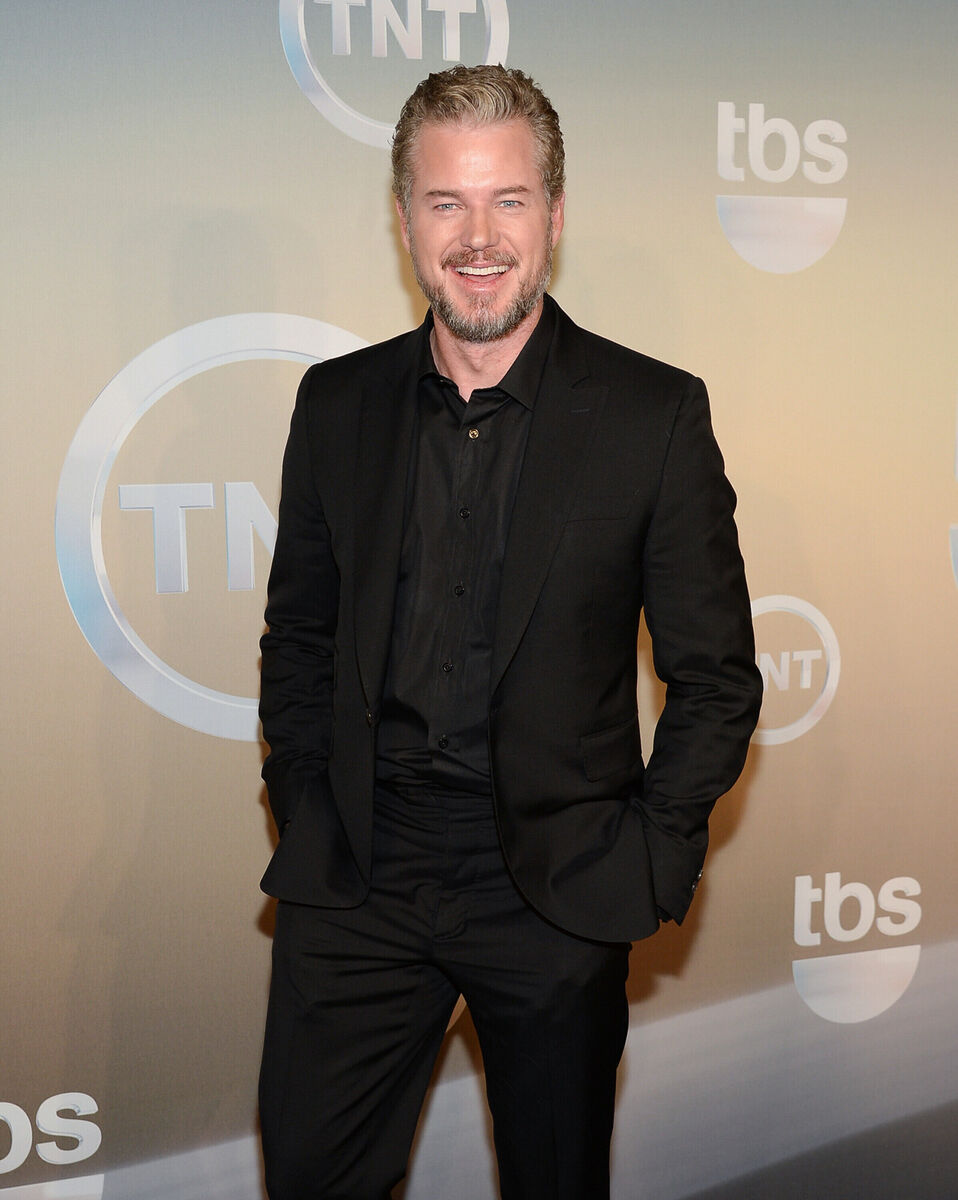
When actor Eric Dane died of the neurodegenerative disease ALS in February, at 53, he left behind a poignant message of hope, love, and resilience for his two young daughters in the Netflix series Famous Last Words. His stoic and open approach to his death has prompted many useful conversations about life’s one true certainty.
These conversations are important, says psychotherapist Marian O’Tuama, who regularly sits with people who are dying. “They take death out of the abstract, help the dying person to feel seen and less isolated, and they allow for practical and emotional preparation.”
With the death of a loved one comes paperwork, and that can be hugely stressful, says Samantha Halpin, managing director of Halpin Wealth Management.
Halpin says: “One of the hardest things for people when their parents or their partner dies is the admin behind it: Bank accounts, policies, pensions, utilities, paperwork, passwords, logins. We advise people to put together a life-admin folder, where they add details of their bank accounts and pension policies. They should also list their utility providers and any other relevant financial information. And don’t forget to tell your loved-ones where you keep that folder.”
A will is the minimum that you should have, Halpin says. “It lays out on paper what you want to happen when you pass away: With your estate and your funeral. Without a will, your spouse or your children aren’t going to know what to do.” As many as 66% of Irish people don’t have a will. More than half of Irish people who don’t have a will say it’s because it “makes them feel uncomfortable”. But Halpin advises people to “choose your hard”.
It’s also a good idea, she says, to add your spouse or one of your adult children to your relevant accounts. If you were to die, your bank account would be frozen, making it difficult for your loved-ones to access funds.
Resources like the Irish Hospice Foundation’s Think Ahead document are clear, practical guides to preparing for your death.
Halpin says: “Think of planning as an act of love for your family; you’re removing a massive stress on them when you pass away. I know it seems morbid, and people don’t want to talk about it, but I always say it’s going to be your wife or husband, partner or close family member, that is sorting this out while they’re also dealing with your death.”
Louise O’Brien, co-founder of RHEA Family Funeral Care, says, “The stress of not planning can certainly complicate bereavement. People don’t know what they need to know about funerals until they need to know it, which is the worst time to find out, and they’re event managing their way through an excruciatingly painful, upsetting, and just stressful time.”
O’Brien founded RHEA Family Funeral Care with Dara O’Shea to help people plan a personal, meaningful funeral for their loved-one, while removing the stress and admin burden. As a civil funeral celebrant, O’Brien can also deliver a funeral outside of a church setting, while allowing for a true reflection of a person’s life.
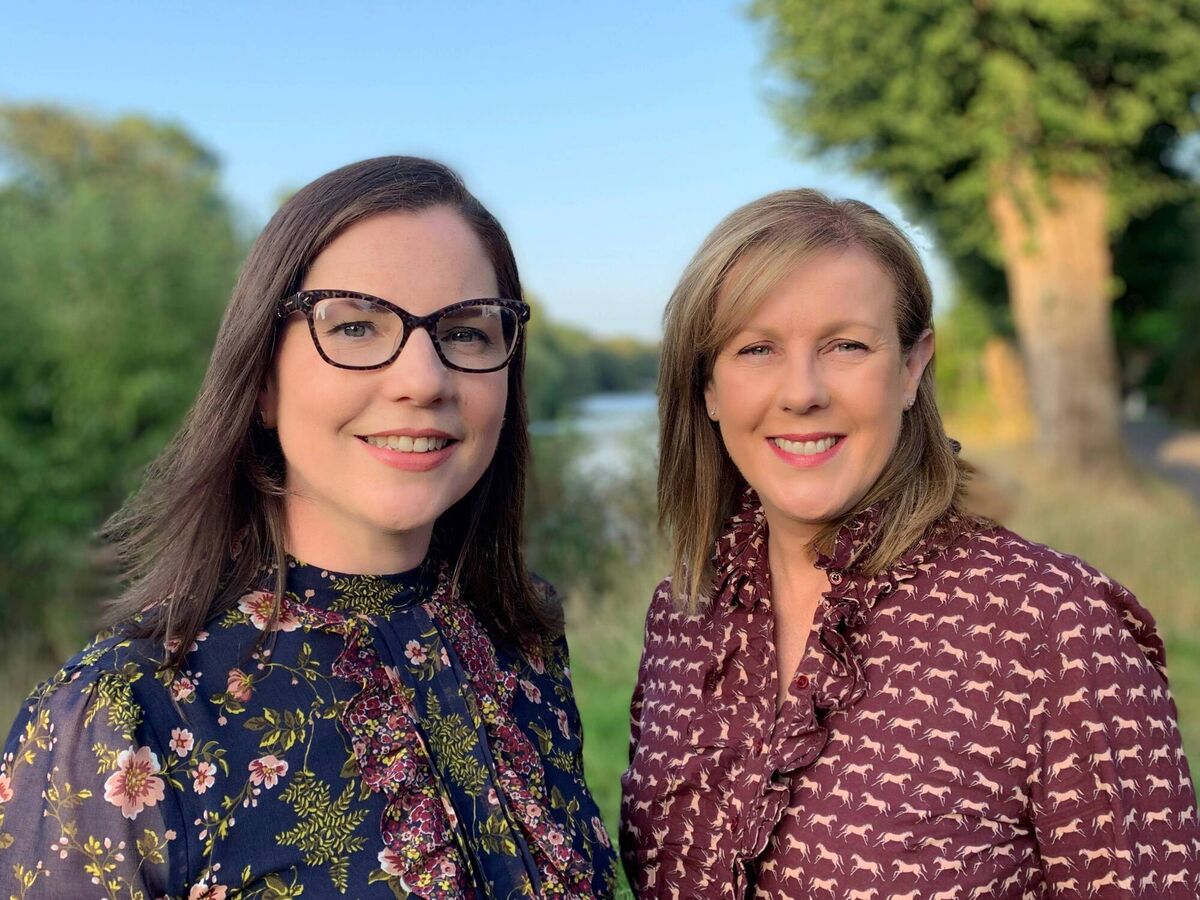
O’Brien says: “The ceremony is for them, about their loved-one, and enables a personal expression of goodbye in a way that is truthful to them, whatever that may be. My role is to facilitate their preferences and articulate what they may not be able to.”
Planning a funeral means making so many decisions, and when you’re grieving at the same time, it’s incredibly difficult, says Dara O’Shea, co-founder of RHEA. “People know they need to make all these phonecalls, but another part of their brain is thinking, ‘I can’t believe I’m making these phonecalls. I can’t believe this is happening’. That’s a traumatic place for people to be.”
Funerals are often a reflection of the person’s life, but if the person hasn’t given any indication of how they would like to be remembered, loved-ones can often be left to imagine what they would like, says O’Brien. “That can rob them of something so important: The ability to just grieve. We’ve spoken to people who will think back to the funeral of a parent or somebody who was close to them, and they remember something that went wrong. That is a gut-turning memory that stays with them and can complicate their grief.”
Celebrities like Dane speaking about dying have moved the dial forward on how we think about death.
Journalist Manchán Magan, who died of prostate cancer in October of last year, also inspired so many people, says O’Brien. “He spoke with such authenticity and vulnerability. He talked about his fears, but he also talked about the values, and, if nothing else, just the fact that he was willing to confront and share his thoughts about dying is so helpful. There is great value in normalising conversations about death.”
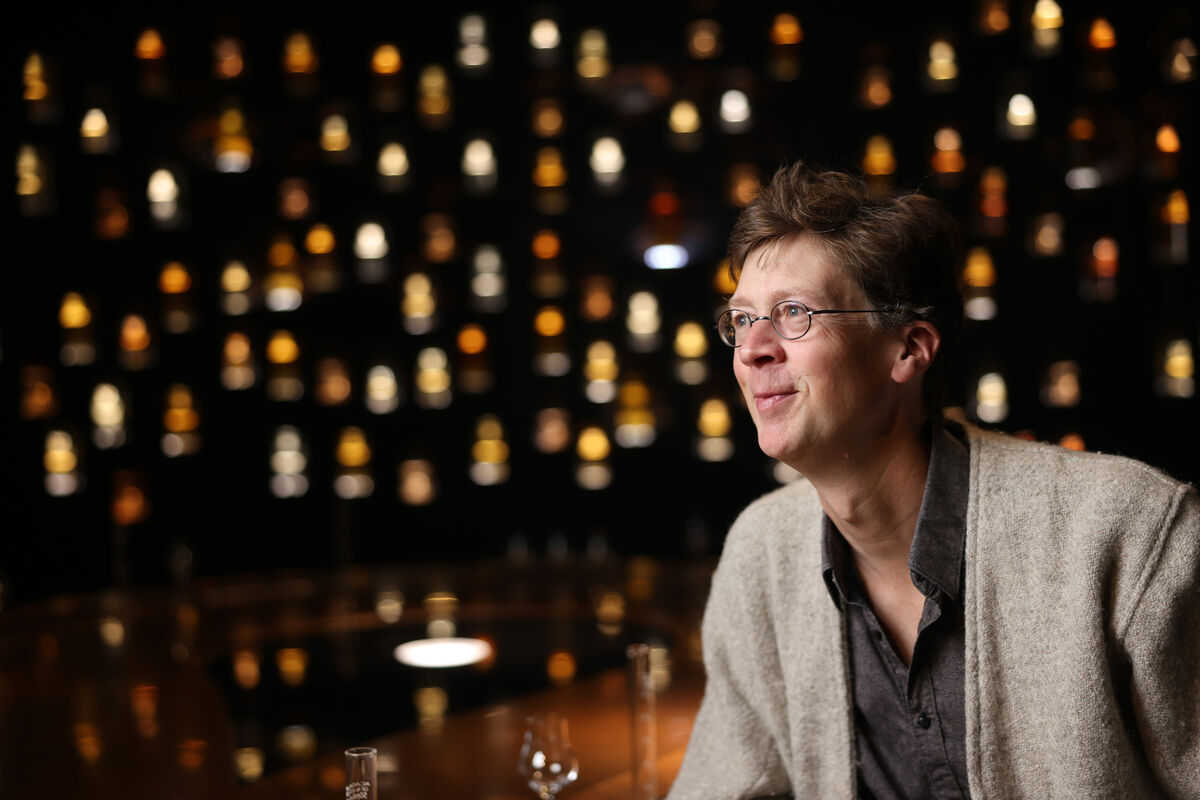
That’s what Jennifer Stritch is doing with Death Café Limerick, which she has run since 2015. Stritch, primary principal investigator of the Loss and Grief Research Group at the Technological University of the Shannon (TUS), facilitates the death café as a space where people can talk about death, dying, and bereavement. Her aim is to “gently reignite” people’s confidence in facing mortality, their own and others’, so they feel better able to support the bereaved and to plan their own end-of-life wishes.
Several death cafés operate around the country, including Dublin, Galway, and Cork. These are casual information spaces, where people come for coffee/tea, and cake. “Cake is a big feature,” says Stritch, who says it makes the time feel celebratory rather than serious and sad.
Stritch says the space can help people sit more easily in thinking about death, even their own. “If we take regular, comfortable moments to talk about death and grief, and remind ourselves of these things, we’ll get back to that place where death is normalised.”
Today, we are further removed from the reality of dying and death than we were in the earlier part of the 20th century, says O’Tuama. “Irish people used to be a lot better around death. Years ago, we had really good community death customs that were respected. All the living got used to the dead.”
“Female neighbours would often be called upon to wash their dead neighbour’s body, to prepare it for the wake. It’s very hard to wash the dead body of your neighbour and not be aware of your own mortality.”
But most of these customs have gone by the wayside, which means we’re further removed from the reality of death and somewhat more isolated in the face of it, O’Tuama says.
“Taking the time to sit in the discomfort of death can help the person who is dying, and their loved ones, who are able to have open and honest conversations.”
Much is made of people’s dying words, but O’Tuama advises people not to wait until the final moment.
O’Tuama mentions a four-phrase tradition of reconciliation and healing in Hawaiian culture that has made its way in to hospice and end-of-life care. Called Ho’oponopono, it’s a prayer or mantra made up of the four statements: I love you. Thank you. I forgive you. Please forgive me.
“Those four statements cover a multitude. There’s a real human need to surround ourselves with love. And we know that when we’re afraid or anxious, gratitude is hugely important. It really helps us. It lifts us.
“And then that idea of forgiveness, that I’m not carrying things with me, whether that’s anger and resentment, and I’m not leaving that behind, either. Having these types of conversations while the person is still alive can bring a real sense of completion and peace.”
Death isn’t tidy or simple, it’s a complex part of life, with many layers that extend far beyond the act of dying itself. Preparing for death, in any context, is difficult and emotional, and can often feel impossible, but taking simple, practical steps, like writing a will, or telling your loved ones how you feel, can make such a difference to those you leave behind, allowing them to move that little bit more freely in the world when you’re gone.
CONNECT WITH US TODAY



Be the first to know the latest news and updates