Simple steps to make a desk job less of a pain
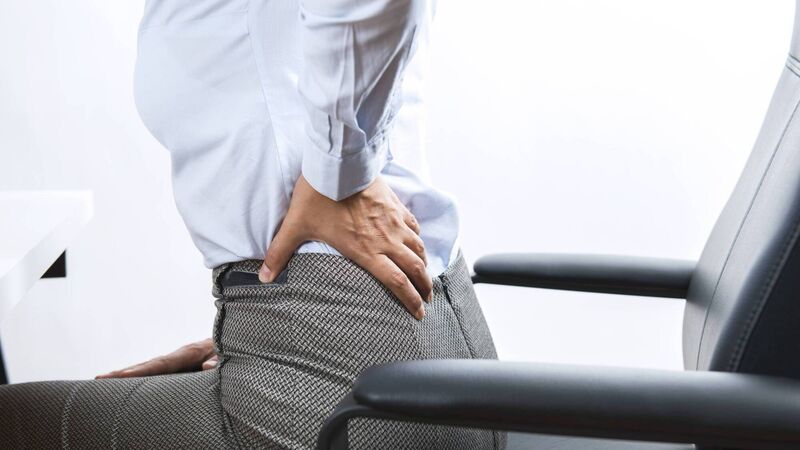
According to findings shared by the European Pain Federation in 2024, more than 40 million workers in the EU have musculoskeletal problems caused by work, and these problems are a factor in 60% of cases of permanent work incapacity.
Have you ever felt stiff and sore after a long day at your desk? Nicola Gaffney from Lusk in Dublin certainly has. The self-employed 50-year-old who designs training courses is currently taking time out of work because of musculoskeletal problems that were exacerbated by a working day spent at a computer.
“I’d spend eight or more hours a day reading from and typing into a computer or laptop,” she says. “My physio thinks that contributed to my now having deteriorating discs in my spine. The way I worked aggravated the problem.”
Mary O’Keeffe is a researcher at University College Dublin who specialises in musculoskeletal pain. She has seen how desk-bound workers like Nicola Gaffney can develop “neck pain, sore shoulders, upper back tightness, and lower back pain. Some also experience aches in their wrists or forearms, particularly if they use a mouse or keyboard for long periods.”

She recognises not everyone with a desk job develops such problems and many people happily work at computers for years.
“But others experience debilitating effects,” she says. “Their ability to sleep and concentration and energy levels can be affected, making it harder for them to focus, stay productive or enjoy time outside of work.
According to findings shared by the European Pain Federation in 2024, more than 40 million workers in the EU have musculoskeletal problems caused by work, and these problems are a factor in 60% of cases of permanent work incapacity.
Eurostat data from 2024 found 27.9% of Ireland’s employees have desk-based jobs. What should they be doing to minimise their risk of musculoskeletal pain?
Theresa Flynn, a senior physiotherapist in ergonomics and a member of the Irish Society of Chartered Physiotherapists, says many musculoskeletal issues arise from “staying in the same static position for too long”.
“Computers have created a situation where many of us never need to get up from our desks,” she says. “Our muscles need to move, yet those of us in desk-based jobs work in a way that doesn’t require much movement at all. We hold our bodies in one position for hours or only make small repetitive movements with our hands and arms. That causes muscle fatigue and can lead to problems.”
“Remember, the best posture is often the next one. Variety and movement are what’s most helpful.”
Flynn has tips to factor more movement into the working day. “Half-fill your water bottle so you have to get up to refill it more often,” she says.
“Stand up when you’re on the phone. Walk to talk to a colleague rather than sending them an email. And don’t tell yourself you’re too busy for movement breaks.
“It’s when you’re busiest and most stressed that you hold your muscles most tightly. That’s when you most need a movement break.”
O’Keeffe adds it helps to stay active outside of work. “Research shows that exercise — even something as simple as regular walking — is the only thing that consistently reduces the risk of musculoskeletal pain coming back once someone has had it before,” she says.
“Being active also keeps muscles and joints strong and improves the body’s ability to tolerate long periods of sitting.”

Under the Safety, Health and Welfare at Work Regulations 2007, employers are legally obliged to assess workstations to reduce the risk of musculoskeletal disorders. Flynn’s job requires her to regularly carry out such assessments and here, she shares some ways we can adapt our workstations to suit our needs.
Our computer monitor should be at arm’s length from our face and at eye level. “This will allow us to sit comfortably, with our shoulders relaxed and looking straight ahead, without the need to look down, which can strain our neck,” says Flynn.
Our keyboard and mouse should be placed so our fingers can touch them while our elbows are bent at a 90-degree angle, level with our hands, wrists, and forearms. “The aim throughout is for our neck, shoulders and back to be straight, supported and relaxed,” says Flynn.
She discourages the use of laptops. “They are great if you have to work while on the move,” she says. “But their design — where you can’t separate the screen from the keyboard — means you have to work in a crouched position, which is not good for your back, neck, or shoulders.”
If you have no choice but to use one, she recommends investing in a laptop stand and a separate keyboard and mouse. You can then position them so you can sit comfortably rather than slumped over your screen.
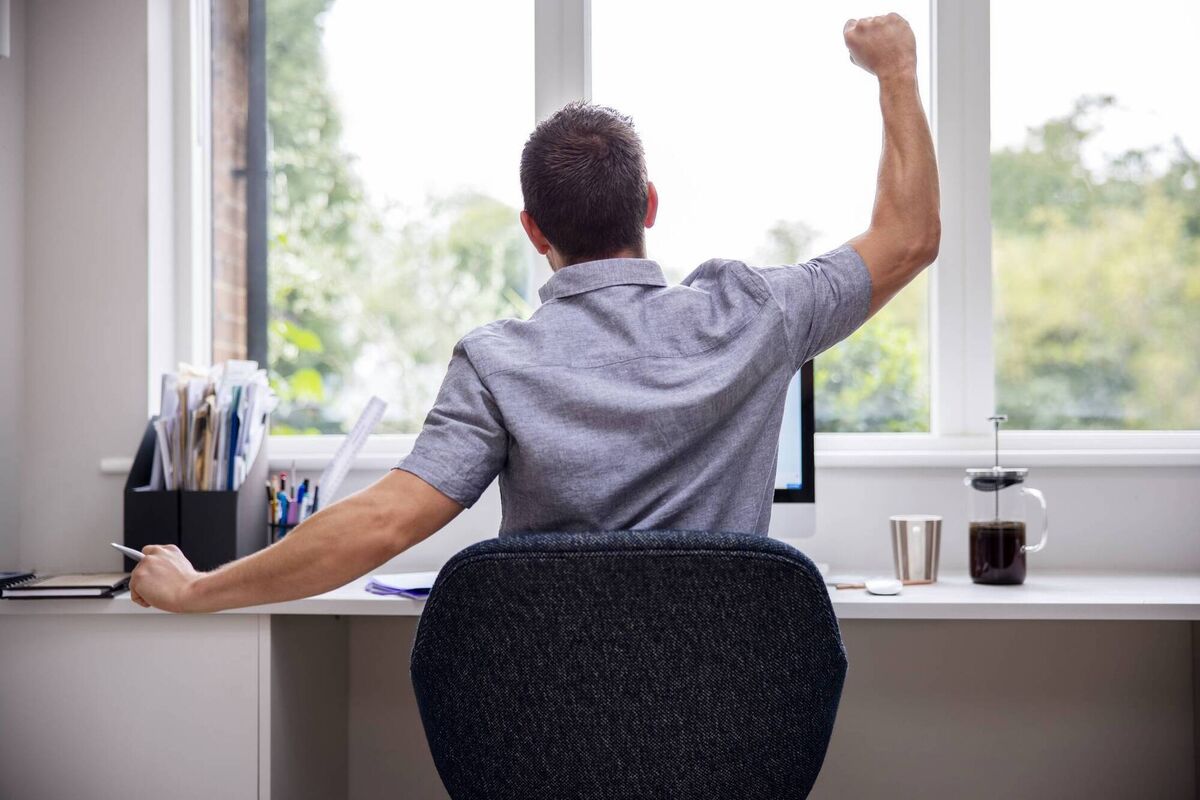
The chair you’re sitting on should provide you with adequate support. “The back rest should move as you move and the seat pad should encourage you to sit back into the chair rather than perched on the edge,” says Flynn. “An armrest can be useful too, supporting your shoulder while you’re clicking and scrolling with the mouse.”
When choosing a chair, she suggests following the same approach as you would when buying shoes — trying them out for size. “Depending on how long or short your legs are, and the length of your arm reach, different chairs will suit different people.”
Don’t forget to consider your desk too. Many people don’t realise it’s vital to have enough room to stretch our legs underneath them.
What about standing desks? O’Keeffe says they can play a role in reducing sitting time but adds “they’re not a miracle solution”.
“In many ways, they simply replace one static position with another and standing still for long periods can also be tiring. Some people find it tough on their legs and lower back. The real benefit comes from moving between sitting and standing, rather than doing either one all day long.”
“Providing reasonable equipment is important,” he says. “But it should be seen as one part of a broader approach to workplace wellbeing, not a complete solution.”
He points out workplace education on the importance of taking regular movement breaks and maintaining physical activity is equally important. So too is a focus on occupational factors such as job security, long working hours, stress, and workload pressure.
Looking back on her own situation, Nicola Gaffney can see she made some basic mistakes. “I didn’t always have my monitor set to the right height and used to adjust my body to suit the computer rather than the computer to suit me,” she says.
“During covid, I worked on a dining chair at my kitchen table. I suppose it’s not surprising that I and plenty of others I know, who are 20 or 30 years into office work, are now struggling with some level of back, neck or shoulder pain.”
If she had her time all over again, she says she would take more movement breaks. “I’d try to get up to walk around every hour or so. But I was usually up to my tonsils in work. It’s not always easy to do what we know is good for us.”
If you have no choice but to use a laptop, she recommends investing in a laptop stand and a separate keyboard and mouse.


CONNECT WITH US TODAY



Be the first to know the latest news and updates