Meet the people helping women feel like themselves again after a cancer diagnosis
A network of ancillary carers including medical tattoo specialists, wig experts, and acupuncturists can help women cope with the toll of a devastating diagnosis, writes Jonathan deBurca Butler
Meet the people helping women feel like themselves again after a cancer diagnosis

It often takes an unaffiliated network of carers to give women back their sense of self when a cancer diagnosis threatens to pull it apart.

When a woman in Ireland is diagnosed with cancer, treatment inevitably becomes a battle on many fronts. Not only does she have to grapple with the realities of the treatments and the overwhelming questions of what the future holds, but there is the emotional toll of losing her hair, her energy, or even parts of her body.

Away from the hassle of appointments, the bleeps and beeps of hospital machines, and the slog of chemotherapy, there is an unaffiliated network of carers whose sole purpose is to give women back their sense of self when the illness threatens to pull it apart.

Wig consultations

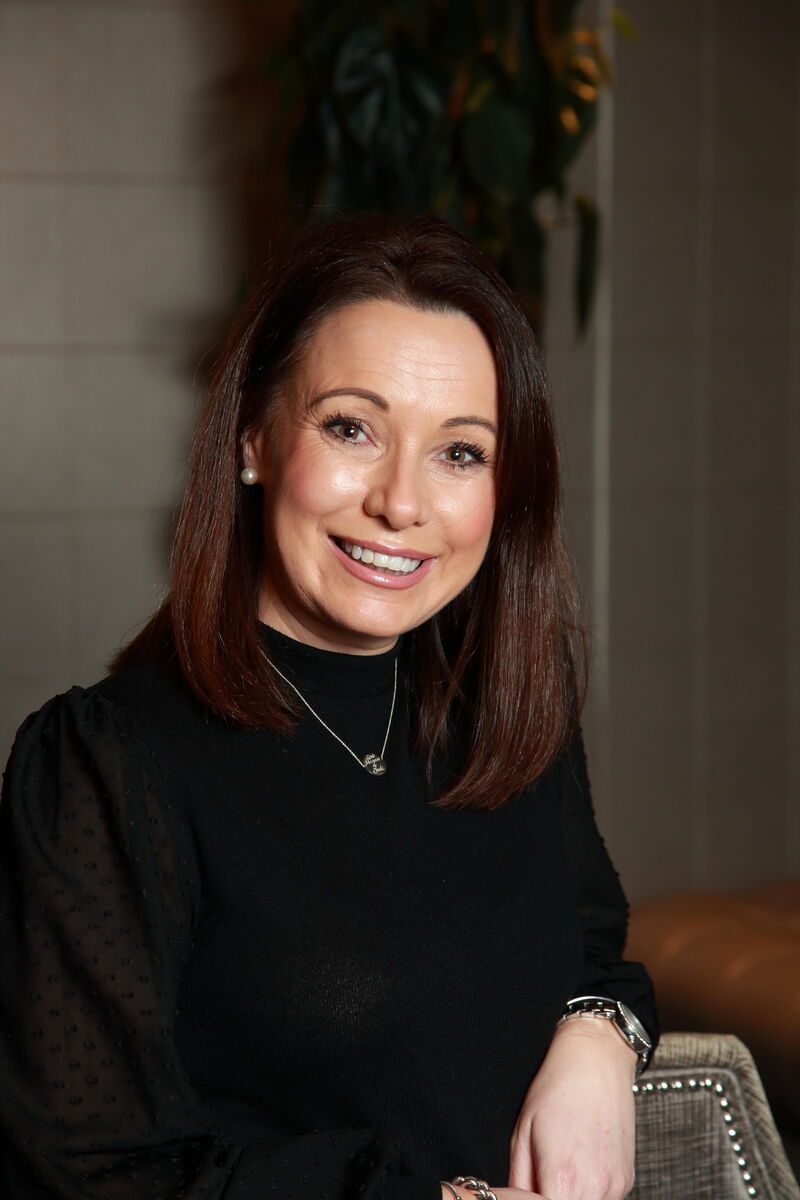
Michelle Waters, owner of Amare Wig Specialist (Instagram: @amare_wigs), will often meet her clients at the very beginning of their journey.

“When they start chemo, they come to me for a consultation,” says the Kerry Pike native.

“We go through different pieces, get the colour as close as possible, pick one out, do the sizing, and so when they start the treatment and the hair starts falling out, the hair piece is ready. I try to make it as easy as possible. A lot of people are very anxious at the start. But the likes of myself are here to help.”

Michelle has always worked with hair and started working in a neighbour’s salon when she was just 13. Three years later, she left school and went straight to Peter Mark to train as a hairdresser. Her interest in wigs came about by accident.
“A few years ago, my uncle was in Marymount Hospice and when I went up to visit him I thought it would be nice to come up and give the ladies up there a blow dry and a bit of a hairdo on a voluntary basis.

“I was surprised to find a lot of them were wearing wigs but I became sort of fascinated and so decided I’d find out more.”

Michelle Waters, Amare wig specialist. Picture: Ger Bonus

After some years learning the trade, Michelle went out on her own and has been working for herself for seven years. Even in that time, she says that wigs have improved immeasurably both in terms of comfort and style.

“The cap construction and the material is lighter and the way they can breathe is much better. I do prefer human hair. It is more expensive but it’s more versatile. So if they go off to a wedding or a Christmas party, I’m getting lots of bookings for those now, I can do an upstyle on the hair piece to make it different for the special occasion. It’s like going to the hair salon but it’s private, just myself and the client.

“You end up getting quite close to people. I love that people when they’re leaving me are giving me a hug and thanking me for making them feel themselves.”

Using acupuncture

Feeling oneself is often something of a struggle as treatment progresses. Acupuncturist Clodagh Read treats many of the side-effects that come with medication.

“We look after people at every point of their treatment,” she says. “At the beginning, when there’s a lot of stress and anxiety, during treatment where patients are nauseous or in pain. We target fatigue and hot flushes that come with some treatment for women with breast cancer and men with prostate cancer.

"It’s really good for post treatment around neuropathy where people might have numbness in their feet or difficulty walking.

The beauty of acupuncture with cancer care is that a lot of people are on medication and you don’t have to add anymore. You’re simply using the body to help itself.

Clodagh, from Ballincollig in Cork, trained as an acupuncturist in New York where she lived for 20 years.

“I worked in the clothing industry in the States for many years and I was stressed off my head from it,” recalls the 56-year-old. “I was attending acupuncture sessions for that and decided to give it all up and become an acupuncturist. I was 35 when I went back to study but it has worked very well.”

Clodagh eventually opened her own practice in New York and while there, started to see patients with cancer. She moved home to Ireland eight years ago.

“Someone put me in touch with Cork ARC Cancer Care House and asked me if I was interested in starting the acupuncture programme there. It’s really grown. We have two acupuncturists in three days and we see about 25 to 30 patients every week.”

As well as her work with Cork ARC, Clodagh sees cancer patients privately through her practice. She has seen a slow change in attitude towards acupuncture and its benefits.
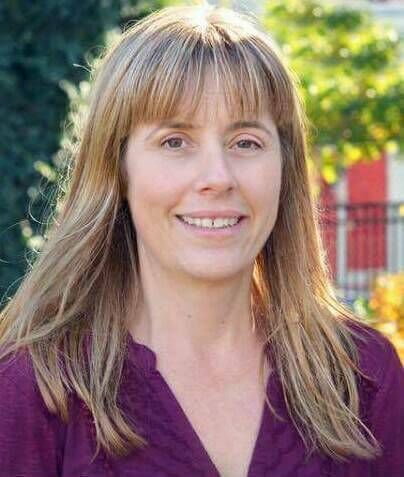
Clodagh Read is a member of the Acupuncture Foundation Professional Association

“Consultants are referring now, it’s an established practice,” she says. “We are getting buy-in. It has taken time, people didn’t always know what to refer people in for. It’s becoming more mainstream as it is in other countries. There are acupuncture departments in hospitals in the United States and Australia.”

She hopes that it will eventually become the norm in Ireland.

Medical tattoos

According to the Irish Cancer Society, one in seven women will develop breast cancer in their lifetime. Of those, some will require or will choose to have a mastectomy.

Once a patient has healed and all surgeries have been completed, the final step might include the restoration of the areola and/or nipple.

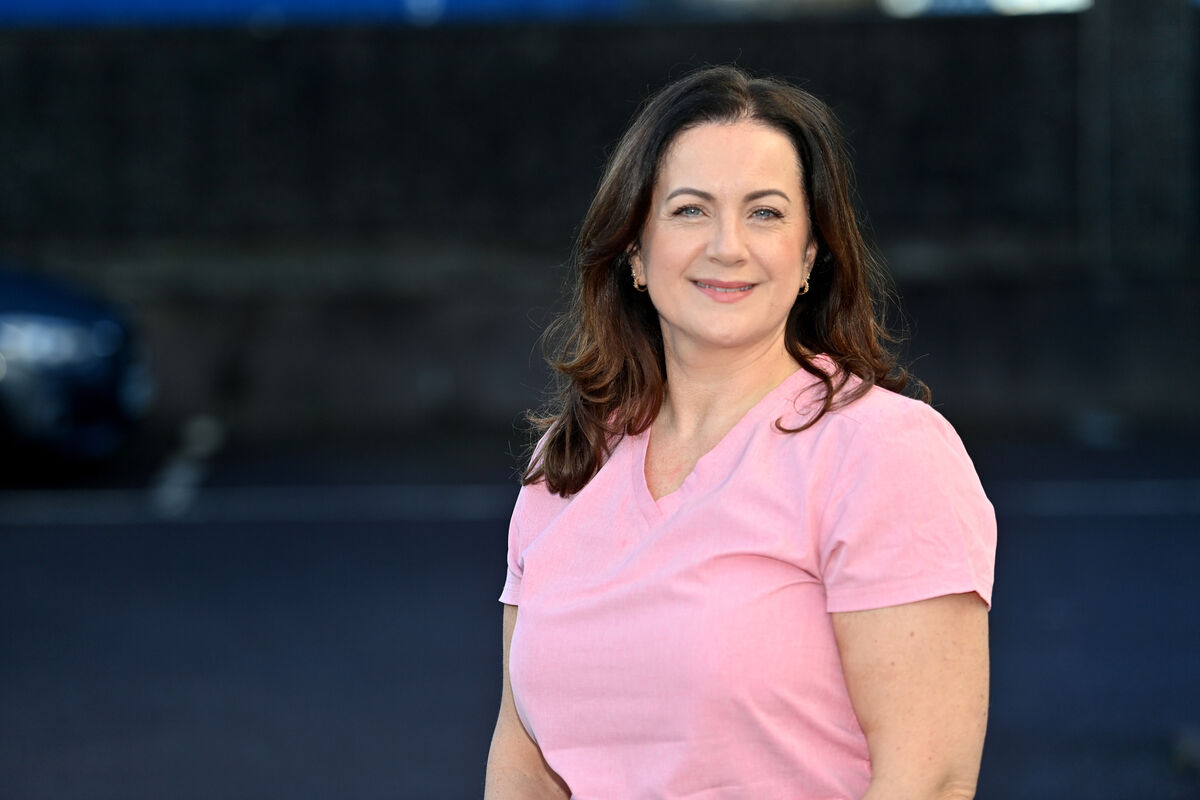
Aislinn Horgan is a medical tattoo specialist who offers trauma informed, medically-led restorative treatments. “My background was nursing,” she explains. “I worked in oncology and then moved into oncology in pharma.

“I always wanted to have my own business but I never knew what that was. Over time I started seeing gaps in services and this gap in medical tattooing presented itself.”

“Women were going through surgery or treatment and then were kind of left to get on with their lives. They had breast reconstruction and they might have had a nipple reconstruction but they still had that visible reminder of everything they’d been through; the surgery or losing part of their femininity. It wasn’t seen as a necessary part of the care and I felt I had to change that.”

After training in eyebrow pigmentation in Dublin, Britain, Estonia and Slovakia, Aislinn opened ByAislinn in 2023. Her initial focus was around eyebrows, but with many more years of training she was able to extend her offering. Today she has four clinics across the country.

“People often come in with a lot,” she says. “So I’m there as a safe space for them if they want to unload and talk. 
Even if they are at the end of their treatment, it can raise a lot of trauma for them so I do leave a lot of time for people and sometimes we will pause and let those emotions out. Listening is a huge part.

“When it comes to the areola and nipple, the first appointment is talking about size and shape and if it’s only one side, it’s about matching it with the other side as best we can,” she explains.

“Then we put pigment into the skin. I know how the skin reacts to my treatment so I’ll often pause it and pick it up in the second session.

Aislinn Horgan, a medical tattoo specialist. Picture: Dan Linehan

“Clients will come back usually 10 weeks later and we see how things have healed from the first session and then refine everything. I’d usually allow three hours for that first session. We take our time. We don’t want anyone to be looking at the clock or to feel under pressure. The second session lasts for about an hour but a lot of that is consultation and talking about after-care.”

As well as offering her expertise and skill, Aislinn has been advocating for women (and men) around this treatment and has successfully lobbied two insurance companies to cover this specialist care under certain policies. Leah and the Vhi have come on board but there is, of course, always room for more.

“I’m hoping to get the others on board but I’m delighted to see it being recognised,” she says.

“It is tough. You’re meeting people at very vulnerable stages in their life and I’ll cry with them sometimes, it’s hard not too. But it’s very rewarding and I love what I do.”

More in this section

Lifestyle

Newsletter

The best food, health, entertainment and lifestyle content from the Irish Examiner, direct to your inbox.

Cookie Policy Privacy Policy Brand Safety FAQ Help Contact Us Terms and Conditions

© Examiner Echo Group Limited