Step up your foot care when it’s cold outside
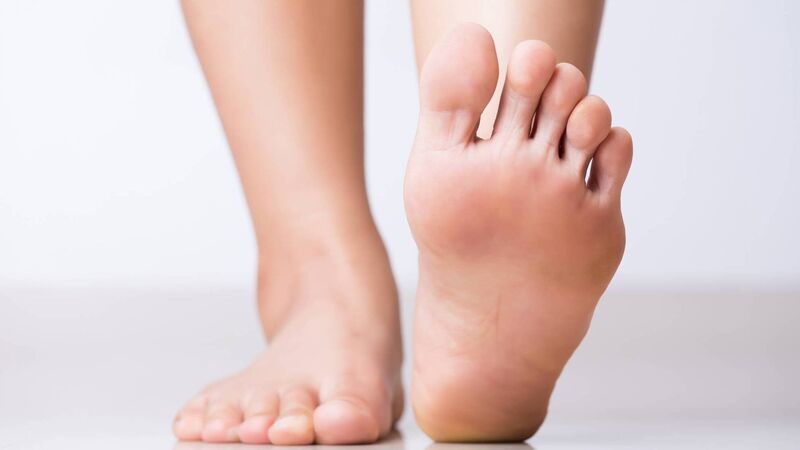
Muscle weakness can go unnoticed in your mid-life, and yet by your 60s and 70s, it can seriously affect walking and lead to functional impairment
Step up your foot care when it’s cold outside

With an average of seven tonnes of pressure passing through our feet every day, they deserve their own wellbeing regimen. Picture: iStock

OUR feet are the body part most likely to stay under wraps until spring, but experts are urging us to focus on their health — and fitness — during the cold, dark months.

With an average of seven tonnes of pressure passing through our feet every day, they certainly deserve their own wellbeing regimen.

Stephen Kearns, a consultant orthopaedic surgeon specialising in foot and ankle surgery at Bon Secours Hospital, says we should pay attention to our feet at all times of the year.

“There are particular risks in the winter months with wet, cold weather playing havoc with our feet,” he says.

“We need to protect them.”

Neglecting our feet can lead to a range of foot health problems and accelerated ageing. A recent study in the journal Exercise and Sports Medicine Reviews found that age-related muscle loss, or sarcopenia, affects the muscles in our feet at a faster rate than those elsewhere in the body.

Hylton Menz, a professor of podiatry at La Trobe University in Australia and author of the paper, says that foot muscle weakness often goes unnoticed in mid-life and yet, by our 60s and 70s, can seriously impact balance, lead to functional impairment, a drop in walking speed, and a higher risk of falls.

Foot exercises can stem the decline in muscle strength, Menz says, and while it is never too late to start, it is best to start foot workouts in mid-life.

Exercise is only one aspect of footcare we need to improve. Here’s how to look after your feet this winter:

Increase your fitness gradually

January and February are peak gym season when we attack our fitness goals for the year with gusto. But Kearns says it is also a time when stress fractures, or small breaks to the bones, in the feet hit an annual high. They can take months to heal.

“In winter, our body’s levels of vitamin D — which protects the bones — drop due to a lack of sunlight,” he says.

“This, coupled with a rapid increase in activity levels at this time of year, makes stress fractures very common.”

Wearing the wrong footwear exacerbates the risk.

“Trainers are generally OK for the feet, but they vary so much in design,” Kearns says.

“Running trainers should only be worn for running as they lack the lateral support of a more robust cross-trainer type shoe, which is a better choice for general activity.”

Wash your feet every day

Feet cocooned in warm socks and boots, or in centrally heated offices, can get sweaty even in winter, yet most of us overlook the feet as part of a grooming regimen. Standing in the shower, with spray residue reaching your feet, does not count as keeping them clean.

The HSE says we should all wash our feet daily. You can do this in the shower by getting down and rubbing the feet with soap, or in a bowl of warm, not hot, soapy water. Apply a urea-based moisturiser all over the feet (but not between the toes) to prevent skin from drying out and cracking. Avoid prolonged soaking of more than 10 minutes duration as it tends to dry the skin, removing natural oils.

“People with diabetes, circulation issues, or who are immune-compromised should not soak their feet as it can cause damage and raise the risk of infection,” says Kearns.

Avoid using foot spas, electric devices that heat recirculating water, as they pose a risk of bacterial infection, especially if not thoroughly cleaned after use.

The USA’s Environmental Protection Agency recently issued a warning against using a foot spa if your skin has any open wounds because “micro-organisms in foot spas can enter through the skin”.

Remove nail varnish during winter

Your feet are mostly going to be under cover for the next few months, so the chipped varnish lingering on your toenails after the summer can come off. And with good reason.

You should never leave nail varnish on for more than a couple of weeks, as it prevents toenails from breathing. Removing the varnish for winter also reduces the risk of itchy fungal foot spreading to the toenails, where they are difficult to treat.

Of more concern is that nail varnish can also conceal foot melanoma beneath a toenail. According to the Irish Cancer Society, melanoma can develop under the toenails and typically gets caught much later than other types.

Treat chilblains with care

Chilblains occur when skin re-warms and fluid leaks from constricted blood vessels into the surrounding tissues, causing inflammation and swelling. Dampness and cold winds, as well as rapid temperature changes from cold to hot, exacerbate the risk.

Classic symptoms include itchy skin on the extremities, including the toes, that becomes red and swollen, with a burning sensation and tenderness to the touch. Some cause blistering that can rupture, increasing the risk of infection.

Those with poor circulation are most at risk, but anyone whose extremities are exposed can get chilblains.

Avoid scratching chilblains; if the chilblain has not broken, apply soothing lotions such as witch hazel and calamine to reduce discomfort.

You can also try painting it with a mixture of Friar’s Balsam and a weak solution of iodine (pre-prepared creams are available from your pharmacy) and rubbing some lanolin ointment into the feet at night to help retain the heat. If the chilblain has ulcerated, you will need to apply an antiseptic dressing. According to the HSE, anyone with diabetes or who is undergoing medical treatment should see a medical professional straight away.

Wear waterproof walking shoes

The single most important consideration for winter footwear is a shoe or boot with a thick and rigid sole. If you are a regular walker, it is worthwhile to invest in good walking footwear.

“Look for a stiff-soled pair of shoes that are specific to walking, as a regular pair of running trainers won’t give the support you need,” Kearns says.

“Avoid wellies, as they offer no support at all. What you need is a sturdy waterproof pair of shoes or boots, ideally lacing above the ankle to protect the joint.”

Become sock savvy

Changing socks every day and ideally alternating shoes so that the same pair is not worn two days in a row is a good move.

Wearing socks in bed might even help you sleep better. “People overlook the importance of socks, but the right pair can keep your feet dry and warm,” says Kearns.

Choose those made from natural sweat-wicking fabrics such as bamboo and merino wool.

A group of men who slept in socks as part of a study at Seoul National University not only fell asleep nearly eight minutes faster than those with cold feet, but also slept 32 minutes longer with fewer awakenings during the night.

Try these foot exercises: 

In his recent study, Menz said that “exercise produces significant improvements in ageing skeletal muscle [of the feet]”. A routine of simple exercises can be enough. Try these, aiming to do a selection each day.

Toe gasp training: Menz says moves such as grabbing a towel, the toes, or passing bean bags between the feet - three times per week for eight weeks enhance foot muscle strength but also lead to balance improvements of up to 58%.

Foot doming:  The exercise with the most supporting scientific evidence, says Minz, is the “short foot” or “foot doming” exercise, which involves using foot muscles to help draw the big toe toward the heel. As well as strengthening intrinsic muscles of the feet, it has been shown to improve toe flexion strength by 28% in people with flat feet.

To do it, stand up and tighten the toes in your right foot. Then ‘shorten’ the foot by pulling the balls of the toes toward the heel, drawing up the foot arch. Hold for a count of five to six seconds. Release back to the start position and repeat eight-10 times. Repeat on the left foot.

Resistance band flexion: For strong ankle and foot muscles, loop a resistance band around a fixed object, such as a table leg or post and sit on the floor with legs extended in front of you towards the post. Loop the other end of the band around the mid- foot and flex your foot by pulling your toes towards you. Pause for 1-2 seconds, then return to the starting position. Repeat 6-8 times, then switch legs.

Toe alphabet: Good for flexibility and muscle strength. Sit on the floor with legs extended in front of you. Starting with the right foot, attempt to ‘write’ the alphabet with your right toes. Repeat with the left foot. Perfect for doing in front of the TV.


More in this section

Lifestyle

Newsletter

The best food, health, entertainment and lifestyle content from the Irish Examiner, direct to your inbox.

Cookie Policy Privacy Policy Brand Safety FAQ Help Contact Us Terms and Conditions

© Examiner Echo Group Limited