Life Hack: How to prevent your pipes from freezing during a cold snap
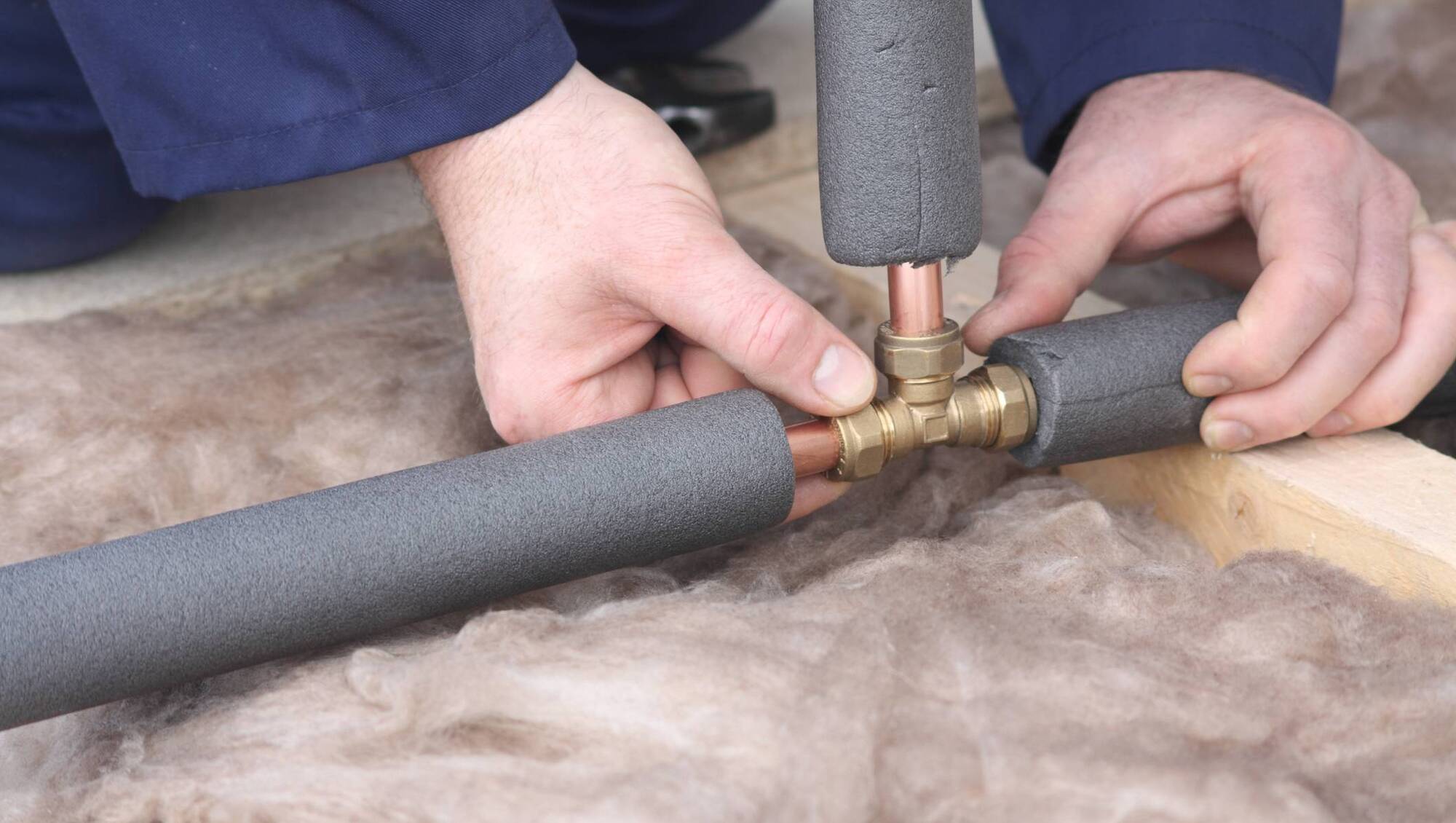
Adding insulation is one of the simplest and cheapest ways to protect your home. Fitting foam tubing or pipe wrap around any exposed pipes helps them retain heat and creates a barrier against freezing temperatures. File photo
January got off to a freezing start — low temperature warnings are a common alert at this time of year.
During cold snaps like these, many homes are unfortunately ill-prepared for the consequences and, as a result, pipes can burst, causing expensive damage and leaving families vulnerable at one of the busiest times of the year for callouts and repairs.
Pipes will start to freeze when the outside temperature hits 0°C or below. Put simply: if you can see frost on cars or roofs, then it’s cold enough to freeze and pose a risk to your pipes.
Another sure sign to be vigilant is when Met Éireann issues a Status Yellow or Orange warning for low temperatures or ice, so keep an eye on the news when you feel it getting colder.
Robert Stringer, an energy efficiency expert at Energia.ie, says many burst pipes are caused by simple but avoidable mistakes and protecting your plumbing during a cold snap can help to save you a fortune.
Here, he details the key mistakes people in homes across the country could be making that are putting pipes at risk, and how to avoid having them burst during a winter chill.
“In a bid to keep bills low, many households switch their heating off completely overnight or when leaving the house. However, this can actually lead to even bigger costs later down the line,” he says.
“When temperatures plummet below zero, particularly in unheated spots like lofts and under-sink cupboards, any water inside your pipes can freeze and expand. This pressure builds quickly and can cause pipes to crack or burst.”
: Rather than switching off your heating completely when you don’t need it, maintain a low, steady temperature throughout the day and night. Even if you are away from home for an extended period, it is important to have the heating coming on a few times a day to keep a low, continuous heat. This small amount of background heat is enough to prevent freezing and could save you hundreds in repair costs later on.
“Pipes in unheated areas such as attics and garages are always the first to freeze. Without proper insulation, they’re fully exposed to icy air, which makes them far more vulnerable during a cold spell. Even a brief dip below zero can freeze pipes that aren’t insulated, particularly if there’s standing water inside them.”
: Adding insulation is one of the simplest and cheapest ways to protect your home. Fitting foam tubing or pipe wrap around any exposed pipes helps them retain heat and creates a barrier against freezing temperatures.
This speedy and inexpensive fix can prevent major damage later down the road.
“Leave cabinet doors open where pipes sit behind cupboards, such as in kitchens and bathrooms. When the doors are kept shut, warm air is unable to reach those pipes, and the temperature inside these enclosed spaces can drop very quickly on cold nights.”
: Allow warm air to circulate to help prevent your pipes from freezing.
“On nights where frost is forecast, many people don’t realise that completely shutting off taps can leave pipes vulnerable to freezing.”
: Keep a slight flow going to help prevent freezing and lower pressure in the pipes.
In the unfortunate event that your pipes freeze, a basic knowledge of plumbing will help you locate and thaw a frozen pipe.
Turning off the water supply will limit the leak or damage. Once you locate the frozen pipe, turn on nearby cold taps to relieve pressure — never turn on the hot taps.

You can attempt to gently thaw the pipe by using a hairdryer on the lowest setting to warm it, starting at the end nearest the tap.
Make sure to protect or move anything which might be damaged if the pipe bursts when thawed.
However, if you have any doubt, it is safer to call a registered plumber.


CONNECT WITH US TODAY



Be the first to know the latest news and updates