Hungry for change: How will 2026 reshape the way we treat obesity?

Ozempic was launched by Danish pharma company Novo Nordisk as a diabetes drug in January 2018
Ozempic was launched by Danish pharma company Novo Nordisk as a diabetes drug in January 2018, but the public didn’t cotton on to the medication’s fat-reducing aspect until early 2021, when Dr Oz highlighted Glucagon-like peptide-1’s (GLP-1) weight-loss benefits on his US TV show. The ‘skinny jab’ took off like a rocket and Ozempic sales hit a billion dollars within 18 months. Its success meant other pharma companies wanted in, and analysts estimate the global market for weight-loss medications could reach $150bn (about €130bn) by 2035.
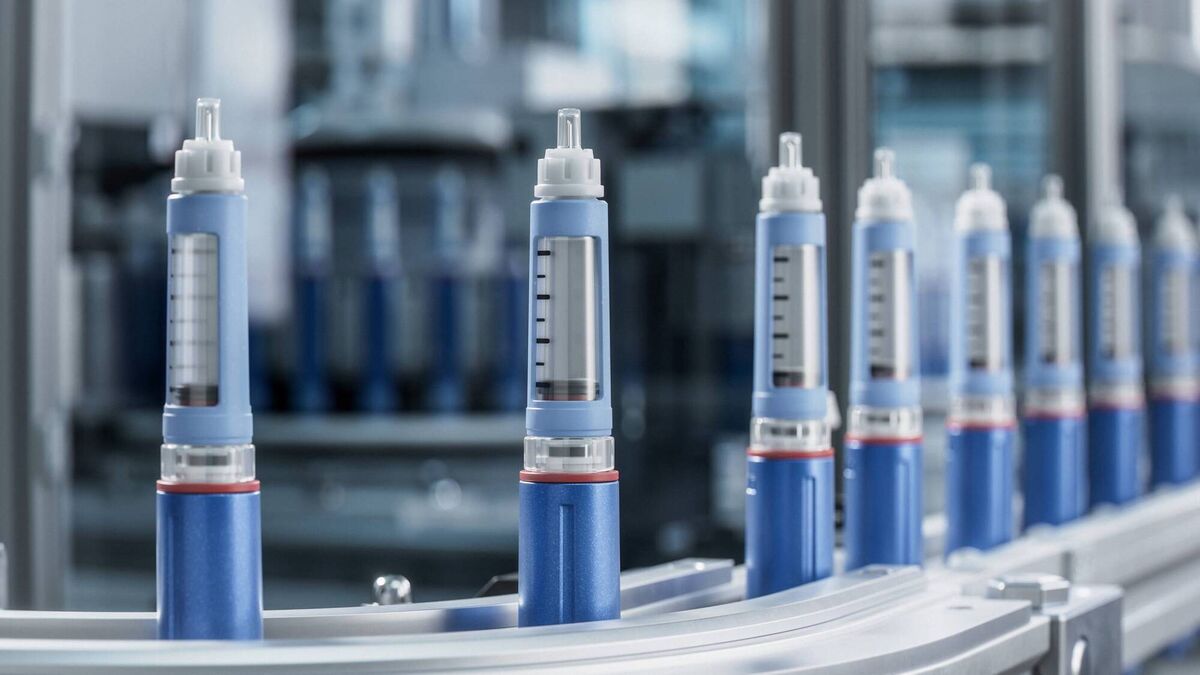
GLP-1 is a gut hormone that helps regulate blood sugar and appetite. In mimicking this natural hormone, GLP-1 drugs increase feelings of fullness and satiety, reduce ‘food noise’, and help regulate appetite.
Since the approval of the first GLP-1 drug for weight management in 2014 — Novo Nordisk’s Saxenda — GLP-1s have revolutionised the treatment of obesity, and their trailblazing looks set to continue.
Generics are coming. The patent on semaglutide, the active ingredient in Ozempic and Wegovy, is set to expire in the US in 2031, as are oral GLP-1s — developments which should make these medications more accessible and affordable. Over 100 weight-loss medications are currently in development, a marker of the innovation happening in the space, with researchers discovering myriad potential new applications for these drugs.
As it stands, it’s accepted that GLP-1s have many positive impacts on health. Dr Mick Crotty, the lead for obesity with the Irish College of GPs explains that metabolic health improves significantly, and depending on the medication, “we’ll see a 94% reduction in the risk of somebody developing diabetes”, a “20% reduction in the risk of somebody having a cardiovascular event”, “a reduction in the progression of kidney disease”, and “improvements in pain scores, mobility, osteoarthritis, sleep apnoea”.
While liraglutide (Saxenda), the original GLP-1 approved for weight loss, achieves a significant response in about one-third of people, tirzepatide (Mounjaro) — at the highest doses — gets a significant response in 80% of people, Crotty says.
“With newer agents, more people respond, and respond in a stronger way,” he notes, adding that in the future, as more agents come on stream, “we will have better tailored treatment for individuals. If somebody doesn’t respond to one treatment, we’ll have an alternative treatment to offer them”.
“[Obesity is] not defined by body-mass index or size anymore. It’s defined by ‘I live with excess weight, and it’s having a negative impact on my health and wellbeing’,” explains Crotty. Weight-loss medication is not a cure, he adds, but rather a long-term treatment for a person’s health and wellbeing.
Next-generation obesity therapies are coming thick and fast.
“The obesity market has taken off like a rocket,” says Luke O’Neill, professor of biochemistry at Trinity College Dublin’s School of Immunology.

Many companies are now getting involved in developing the next generation of obesity drugs, and there will be more new options “coming down the pipeline that will be better and more convenient”, he says.
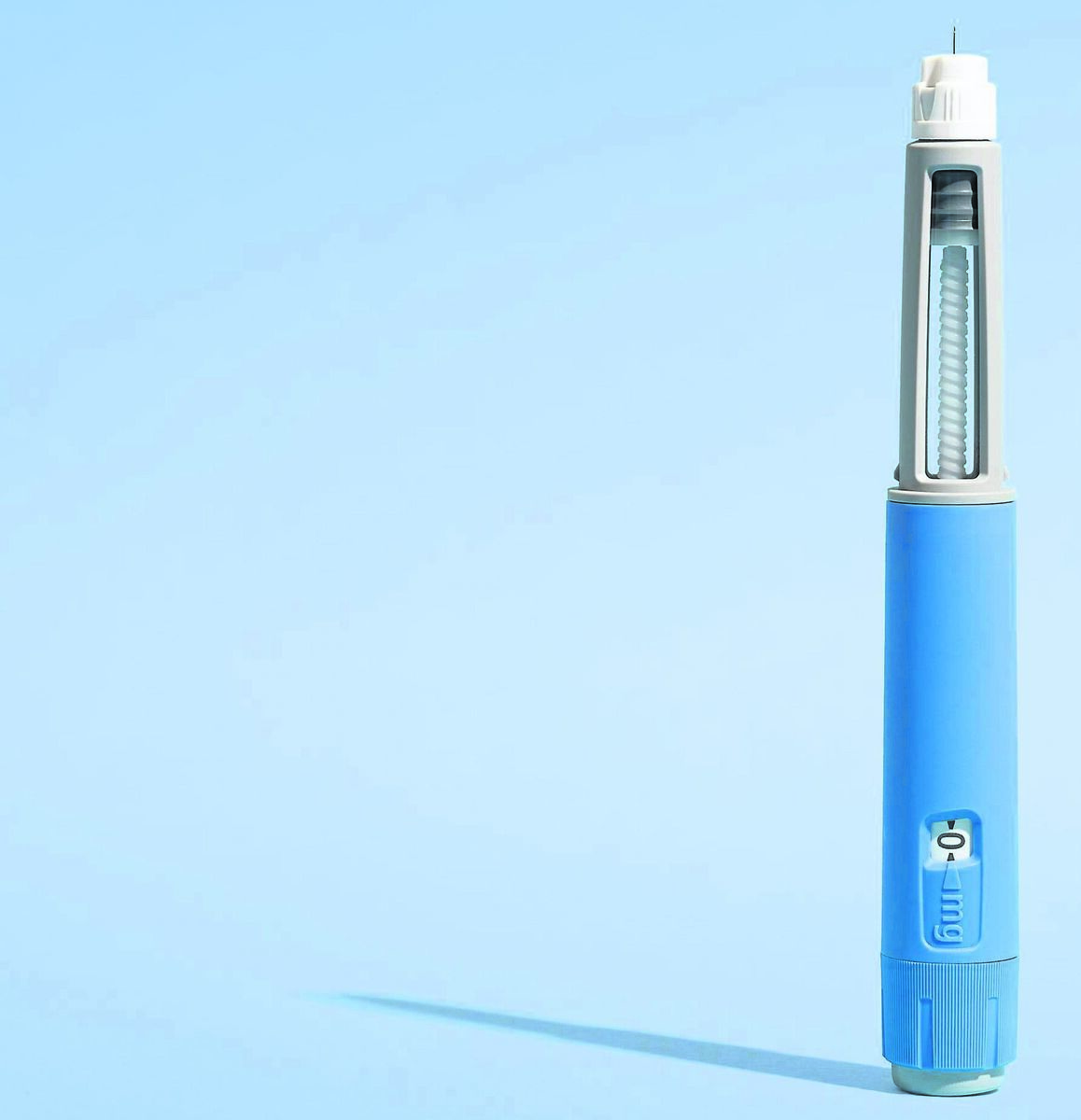
While the original drugs were single agonists — they mimicked one gut hormone — 2024 saw the first dual agonist: Tirzepatide, Eli Lilly’s Mounjaro. It contains GLP-1 and glucose-dependent insulinotropic polypeptide (GIP).
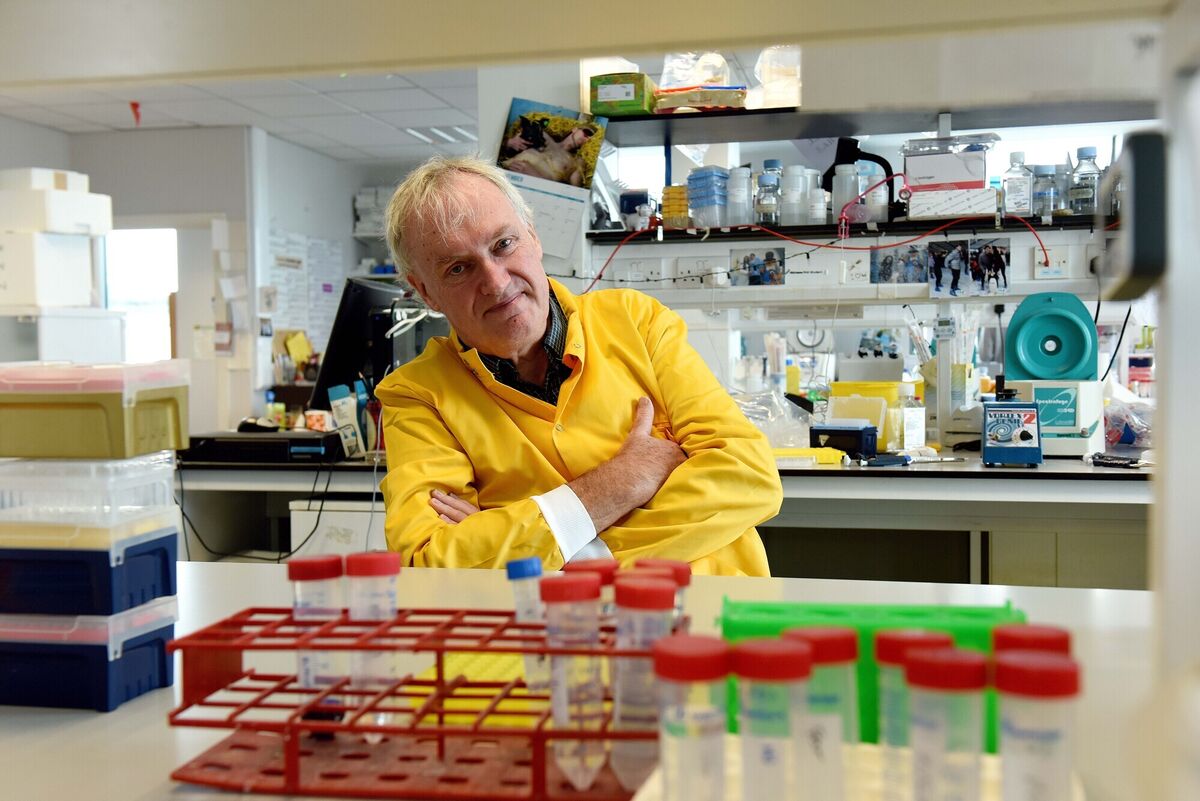
When these hormones are combined, high percentages of weight loss are achieved, with “22.5% average weight loss at about 16 months”, says Alexander Miras, professor of endocrinology at Ulster University. He adds that in clinical trials, Mounjaro was the first in the GLP-1 class of drugs to break the 20% weight-loss barrier.
“If Mounjaro is the King Kong of the weight-loss jabs, retatrutide is Godzilla by comparison,” said diabetes clinical researcher Julio Rosenstock in 2023 of Eli Lilly’s triple-agonist, which contains hormones GLP-1, GIP, and glucagon. Retatrutide, which doesn’t yet have a brand name, is currently undergoing clinical trials, the most recent phase of which documented participants on a 12mg dose losing an average of 28.7% of their body weight at 68 weeks, in addition to positive effects on their health markers.
A drug leading to a weight loss of almost 30% is huge and so are the implications.
“Retatrutide is the first drug that causes the same weight loss as a gastric bypass operation for obesity,” says Miras. While this may mean some people can avoid surgery, he doesn’t foresee weight-loss drugs replacing bariatric surgery in the next 15 years. For those with severe obesity who need a greater weight loss than the drugs can provide, a combination of medication and surgery may be the way forward, he says.
By comparison, Novo Nordisk’s CagriSema, a combination of cagrilintide (which mimics the hormone amylin) and semaglutide, is under regulatory review for approval in the US, only achieved a weight loss of 22.7% in its recent trials. US-based pharma giant Amgen is pinning its hopes on MariTide, which differentiates itself by its long-acting profile. It’s designed to be a monthly — or even less frequent — injectable, which would likely promote greater adherence. Phase 2 trials showed a 20% average weight loss and “meaningful improvements” in heart and metabolic health risks.
Combining hormones also has benefits, scientists are finding. A combination of GLP-1 and GIP will result in the same weight loss as a combination of GLP-1 and glucagon, Miras explains. But here’s where it gets interesting.
“The effects of glucagon are particularly pronounced on people who have fatty liver disease, because glucagon also removes fat from the liver,” he says. “Therefore, [the GLP-1 and glucagon combination] can be specifically targeted for those populations [who have] obesity and fatty liver disease.”
In essence, specific combinations of hormone-mimicking drugs may be able to target a person’s obesity in addition to a separate condition affecting their health.
An even more exciting finding is that GLP-1s can improve health even when no weight loss occurs. The Select international clinical trial involved 17,000 patients randomised to semaglutide versus placebo.
“These were people with obesity, no diabetes, but established cardiovascular disease,” says Miras. “Semaglutide reduced cardiovascular events by 20%.”
The takeaway: Patients who lost no weight whatsoever on the drug got the same cardiovascular risk-reduction benefit as those who lost 15% of their body weight.
What’s emerging is that these drugs have weight-loss-dependent effects, and weight-loss independent effects, Miras says, “and we are investigating both”.
Not everyone who would benefit from these medications can afford them, or, as they are drugs for life, can afford them long term. Cheaper generics and oral GLP-1s may change that, with potential savings for state healthcare expenditure also in the mix. Writing in a national newspaper recently, Donal O’Shea, HSE national clinical lead for obesity, said: “Early aggressive treatment of obesity will lead to massive savings on other chronic diseases … we know these drugs are cost saving in certain populations already and as the cost comes down and effectiveness improves ... the savings will become even greater.”
Emerging lower-cost drugs are on the horizon.
“Orforglipron, which is an oral GLP-1 medication, is potentially going to become available [in 2026],” Crotty says. “In the clinical trials, they saw about a 12.4% body-weight reduction, which is a little bit less than is seen with the weekly injectable medications. But because it’s a tablet, and it’s a non-peptide — so it’s slightly different in its formulation from the injectables to make it easier to absorb through the stomach — the hope is that it’s easier and cheaper to produce.”
A daily oral Wegovy pill, semaglutide 25mg, has been FDA-approved and may be available in the US this month, and possibly here at some point later this year.
In some semaglutide trial analyses, around 30% of weight loss was lean mass, says O’Neill, “and that can be a problem because muscle weakness might give rise to people falling more, especially older people. [Eli] Lilly is trying to develop drugs to block the muscle waste and prevent it from happening, and get rid of that side effect”.
The pharma giant cancelled one of its clinical trials for the experimental muscle-sparing drug bimagrumab late last year, but another trial remains ongoing.

Intriguingly, Miras says that, based on data he has seen, he is tending toward the conclusion that people living with obesity on GLP-1s are losing fat from their muscles, rather than muscle itself.
“In obesity, fat infiltrates muscle,” he explains, adding that when people’s functionality is measured, their functionality goes up, despite muscle mass having gone down, “which doesn’t fit right”, he says; a possible explanation being that whatever muscle is left is, in fact, healthier muscle. The jury is out, but trials are currently scrutinising this, he says, which should bring clarity in time.
GLP-1s have their critics. While they are not the right choice for everyone, for some, they can be life-changing.
“Patients are really delighted to see an increase in their functionality. They can get up and down off the ground while playing with their kids. They can go for a walk with their friend without being in pain. They can walk into a shop and find something in their size. They can travel without needing a seatbelt extender. They’re they have relief from this kind of food noise, this constancy,” says Crotty. “They understand for the first time that this is not their fault.”
- Pills: Novo Nordisk’s Wegovy (semaglutide 25mg) is the first high-dose oral GLP-1 for weight loss. Expected on the EU market in 2026 or 2027, Eli Lilly’s Orforglipron pill is also expected in 2026 or 2027.
- Injectables: Novo Nordisk’s CagriSema and Eli Lilly’s retatrutide are showing the highest weight loss in clinical trials so far.
Also, Boehringer Ingelheim and Zealand Pharma’s Survodutide combine appetite suppression and energy-burning effects.
Altimmune’s Pemvidutide is potentially a monthly injectable with strong weight-loss and metabolic benefits. Due 2027.
Eli Lilly’s Mazdutide is licensed to Innovent Biologics in China, where it is approved and sold under the brand name Xinermai. It’s the world’s first approved obesity drug to target both GLP-1 and glucagon receptors.


CONNECT WITH US TODAY



Be the first to know the latest news and updates