20 ways to pack more fibre into your diet
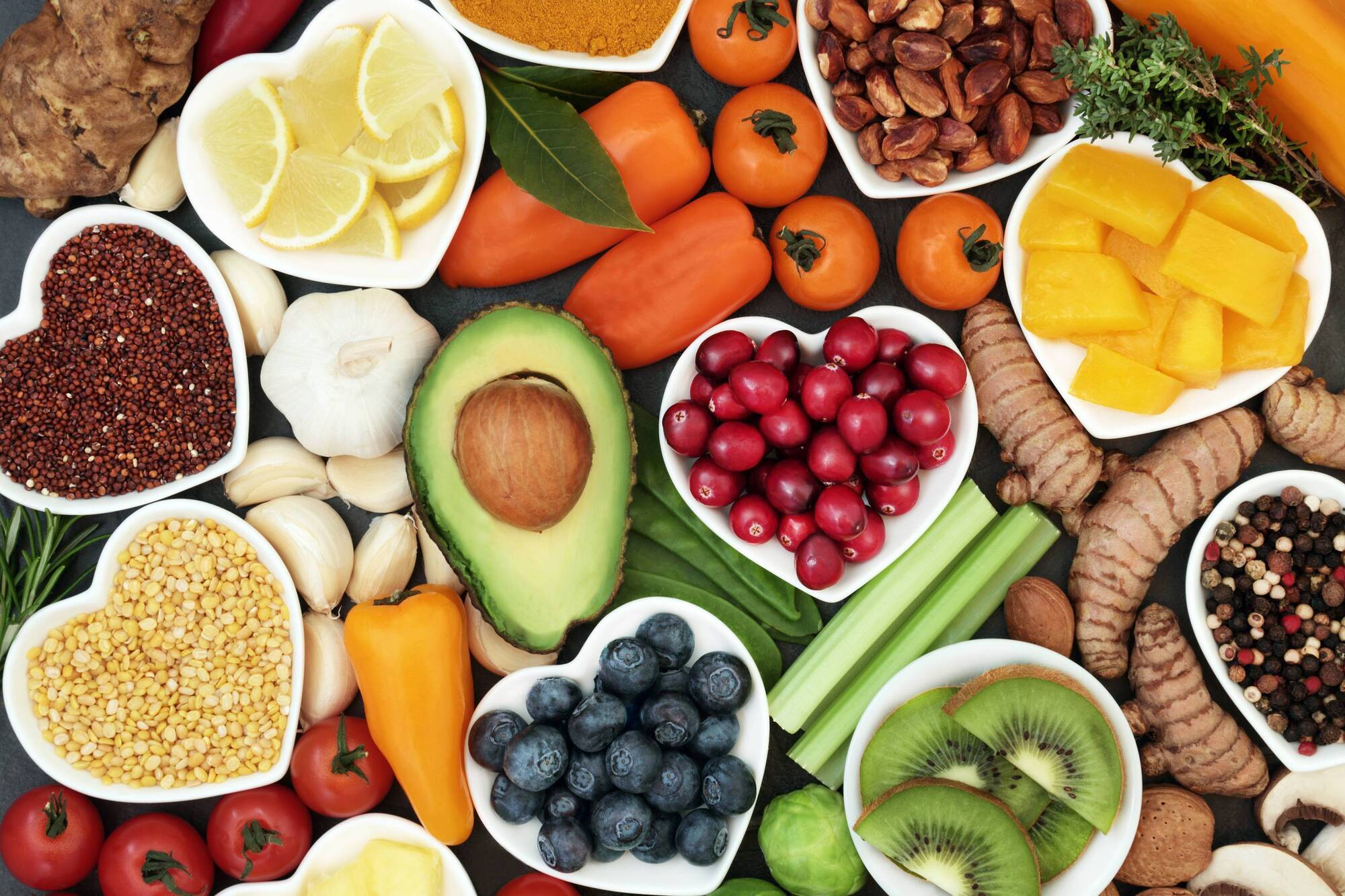
Certain plant foods help feed the bacteria in our gut microbiome, so it’s vital to get our daily fill. Their benefits go beyond simply keeping us regular
20 ways to pack more fibre into your diet

Eating well should be an important ingredient of your healthy lifestyle strategy.

FIBRE-MAXXING is the new TikTok nutritional trend. Health enthusiasts are sharing videos about how they are packing more fibre-rich foods into their diets so that they meet and even exceed the 25g required by our bodies daily.

But what exactly is fibre, and should we all be trying to fibre-max? Dietitian Sarah Keogh of eatwell.ie explains that fibre “is a type of carbohydrate that isn’t digested in the small intestine. So it travels to the large intestine, where it’s broken down by bacteria. Fibre feeds the bacteria that make up our gut microbiome.”

Orla Walsh, a dietitian at orlawalshnutrition.ie, adds that fibre helps regulate energy levels by slowing the release of carbohydrates into the bloodstream. It also supports healthy gut function “by encouraging our bowels to open as often as they should”.

But there’s more to fibre than keeping us regular. It’s crucial to overall health, say researchers. For example, a paper published in The Lancet medical journal found that a fibre-rich diet reduced the risk of heart disease, stroke, type-2 diabetes, and colon cancer by up to 24%.

Yet many of us aren’t getting these health benefits. According to Keogh, approximately 80% of people in Ireland fail to hit the 25g daily target and “the average intake is 14g to 18g”.

Here are 20 ways to make up the shortfall.

1. Start with breakfast and a high-fibre breakfast cereal. “All Bran is great,” says Walsh. “So is porridge, muesli, Weetabix, shredded wheat and low-added-sugar granola.”

2. Add nuts and seeds like flaxseeds, linseeds, and chia to pack an even bigger fibre punch.

3. Think about adding fibre at every meal. "People often think there’s more fibre in food than there actually is, that a bowl of high-fibre cereal is all they need for a day, says Keogh. “But breakfast cereal only has 3g of fibre.”

Dietician Sarah Keogh: Some 80% of people in Ireland fail to hit the 25g daily target of fibre.

4. Eat more fruit. Berries and pears are particularly high in fibre.

5. Vary your carbohydrates and opt for wholegrains when possible. A 2022 study showed links between high wholegrain consumption and lower rates of heart disease and cancer.  “Get these nutritional benefits by including the likes of oats, barley, wholewheat bread and brown rice in your diet,” says Keogh.

6. Read the nutritional information on food labels. “For a food to be high in fibre, it should have at least 6g of fibre per 100g,” says Walsh.

7. Eat different fruits and vegetables with every meal. Walsh explains that they typically provide between 1g and 3g per serving and because “there are different types of fibre, we should vary the plants we eat to ensure we’re getting them all. So buy different fruits and vegetables from week to week.”

8. The supermarket freezer aisle can help you stock up. Buy frozen peas, sweetcorn, spinach and berries for an easy fibre boost to your meals.

9. If you get hungry between meals, have what Keogh calls “a nourishing high-fibre snack like a piece of fruit with nut butter or a handful of nuts”.

10. Eat the skin of fruits and vegetables. Walsh points out that this means opting for smoothies instead of juices. “With juicing, a lot of fibre is left behind in the juicer. That’s why coffee can contain more fibre than orange juice. But we consume whole fruits and vegetables in smoothies, which means we get more fibre.”

11. Stock your cupboards with beans, lentils, and other legumes as these are cheap and easy fibre providers. “There’s 14g of fibre in a tin of baked beans,” says Keogh. “And how easy is it to stir chickpeas or lentils into soups or stews?”

Dietitian Orla Walsh: Adding more fibre to our diet 'encourages our bowels to open as often as they should'. Picture: Karl Hussey

12. You may worry about beans giving you flatulence. Keogh acknowledges they “do produce gas as a byproduct of bacteria feeding on fibre. But if we eat them regularly, this should become less of an issue over time.”

13. To get used to eating beans, Walsh recommends starting with small amounts of tinned legumes and rinsing them before eating.

14. No matter what you’re doing to increase your fibre intake, Keogh says it’s vital to take a step-by-step approach.

“Give your gut three days to get used to one change before moving on to the next.”

15. Drink more water as you add in more fibre. A high-fibre diet can cause bloating, wind, and constipation if you’re not adequately hydrated.

16. Be mindful of your fibre intake if you’ve been diagnosed with irritable bowel syndrome (IBS). “The gut bacteria in people with IBS overreact to certain types of fibre,” says Keogh. “This needs to be discussed with a registered dietitian.”

17. Equally, don’t diagnose yourself with IBS just because you’re prone to gut problems. “I’ve had clients who assumed they had IBS when they actually had coeliac disease, Crohn’s, or colitis,” says Keogh. “When you consider that untreated coeliac disease can cause miscarriage and osteoporosis and that 75% of coeliacs in Ireland are thought to be undiagnosed, you realise how important it is to seek a professional diagnosis of any gut issues.”

18. Ask if it’s worth spending money on fibre supplements like psyllium or inulin when oats, potatoes, or beans can provide a bigger nutritional bang for your buck. “When we eat food,” says Walsh, “we eat different fibres in combination with different nutrients. That matrix is what makes food special.”


19. Supplements may be helpful for people who are trying to establish new dietary habits or who have certain dietary issues. “They can be a good way of topping up your fibre intake when you’re getting started,” says Keogh.

20. Remember that small steps can cumulatively make a big difference. Keogh says that at least 60% of the gut health issues she sees are “resolved by sorting out fibre intake”.

“When people give their body the fibre it needs, gut problems often go away," she adds.

Celebrating 25 years of health and wellbeing

More in this section

Lifestyle

Newsletter

The best food, health, entertainment and lifestyle content from the Irish Examiner, direct to your inbox.

Cookie Policy Privacy Policy Brand Safety FAQ Help Contact Us Terms and Conditions

© Examiner Echo Group Limited