How to reset after the party season 

Strategies ranging from taking a probiotic in the morning to massaging your bloated tummy can help limit the damage
How to reset after the party season 

Partying can take its toll on everything from our waistline to our liver

Few of us will emerge completely unscathed from the festivities, and partying can take its toll on everything from our waistline to our liver, but before you dip into the family-size box of chocolates or say please to another glass of mulled wine, it is worth considering these strategic damage limitation tips suggested by experts:

Pop a probiotic before your morning coffee

Alex Ruani, chief science educator at the Health Sciences Academy, an online education platform, recommends investing in a probiotic supplement to boost healthy gut microbes.

“Topping up your diet with a daily supplement containing at least 10bn viable counts of beneficial bacteria, the usual amount in a probiotic shot-drink or capsule, can be useful for gut health,” she says. “Make sure it contains Lactobacillus and Bifidobacterium species that have been shown in studies to reduce bloating severity, possibly because they’re able to bind to cells in the gut wall at the same time as displacing harmful bacteria and reducing inflammation, all of which help to strengthen gut barrier function.”

And take your probiotic first thing. “These supplements or shots are best taken in the morning in a fasted state as the bacteria will have a higher survival rate and be better able to colonise your gut,” Ruani says. “The good microbes are killed off by heat, so I suggest waiting 30 minutes before having a tea or coffee to give these mighty bugs a better chance of making it down the line.”

Take a walk to aid digestion

Feeling sluggish? Walking helps stabilise blood sugar after large meals, supports digestion, reduces stiffness from long periods of sitting, and can boost mood, which is especially helpful at this time of year.
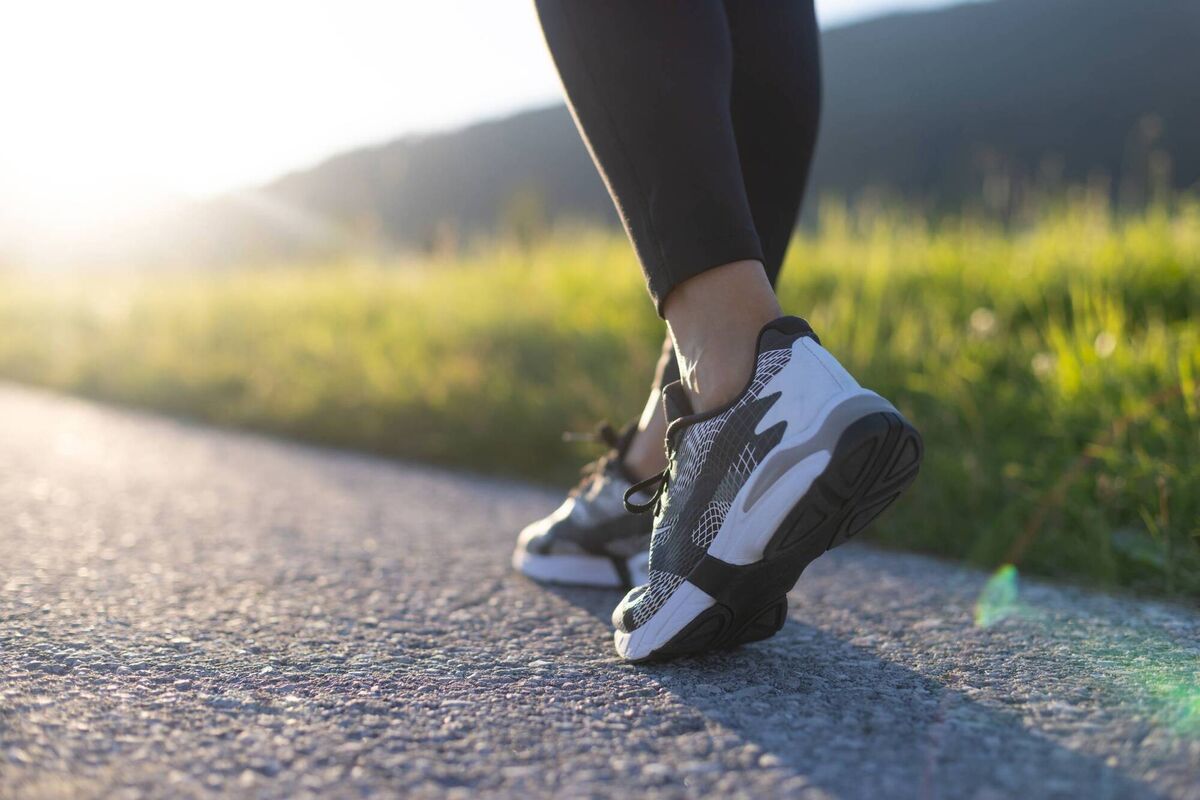
Walking helps stabilise blood sugar after large meals, supports digestion, reduces stiffness from long periods of sitting, and can boost mood

“Even 10-15 minutes of light walking after meals improves glucose control and reduces post-meal fatigue,” says Ciara McCormack, assistant professor of exercise and health science at Maynooth University.

“If you can manage more, brisk walking, which is the kind that slightly raises your heart rate and still allows you to talk, it has even greater benefits for cardiovascular health.”

Try taking L-cysteine before a night out

A review of evidence by King’s College London concluded that nothing on the market will prevent a hangover. However, the authors did concede that some ingredients available in supplement form, including the amino acid L-cysteine, clove extract, pyritinol, H. dulcis fruit extract, red ginseng, and Korean pear juice, appeared to be helpful in a few small trials and did “merit further study”.

Emmert Roberts, lead author of the KCL study, says the only sure way to prevent a hangover is not to drink.

But if you do over-indulge? According to the HSE, only time can cure a hangover, it usually takes eight to 24 hours to wear off, but you can ease symptoms by rehydrating with water or juice, and eating a balanced diet. Suggestions include vegetable-based broth and toast, crackers, or bananas to provide vitamins, minerals, fluid, and carbs that will settle your stomach and boost your blood sugar. You will also need sleep.

Try taking turmeric for acid reflux

Most supplements commonly taken to offset the digestive impact of over-indulgence won’t have much effect. But a study by researchers at Chulalongkorn University Faculty of Medicine in Bangkok, and published in the journal BMJ Evidence-Based Medicine, found that turmeric could be as effective as medicine for reducing excess stomach acid.
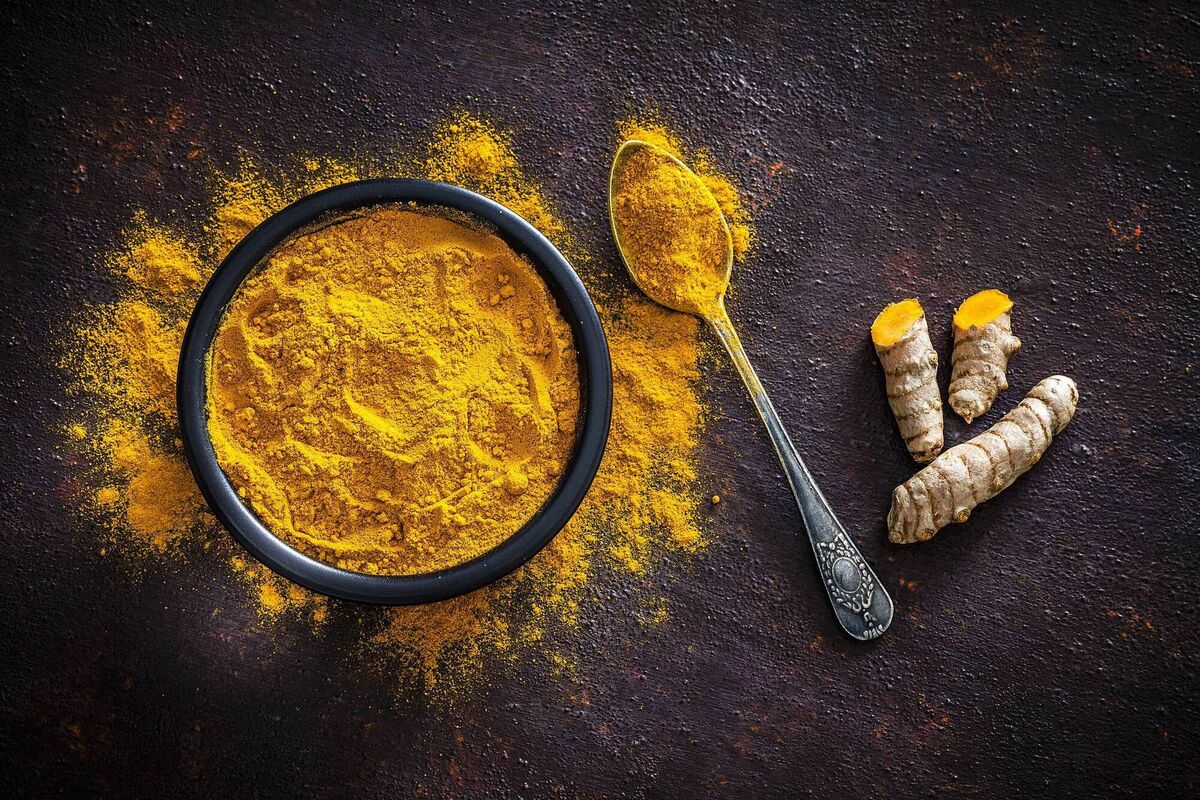
Turmeric could be as effective as medicine for reducing excess stomach acid.

Still, simple over-the-counter medications such as Rennie and Maalox are worth keeping in your cabinet as they neutralise stomach acid, reducing its strength. Others, such as Gaviscon, produce a layering effect on the stomach and coat the oesophageal lining, protecting it from acid and other components of stomach juice.

Massage your abdomen to improve digestion

Overindulging can cause indigestion, bloating, acid reflux, and constipation. Massage can help, and there are massage therapists and osteopaths who specialise in treating the stomach. Still, there are steps you can take yourself, says osteopath James Davies, author of Body (Harper Collins), who has worked with David Beckham, Kylie Minogue, and Joe Wicks. “One of the staple strategies for all my clients during party season is for them to practice self-massage of the abdominal area,” Davies says. “Lie on your back with knees bent and feet flat on the floor, then using the fingertips of both hands, massage around the tummy in a circular motion.”

Perform clockwise, then anticlockwise, for several minutes. “If any areas are tender, press gently and take a deep breath in and out as this can act as a release,” Davies says. “Apply gentle pressure to that area until it feels more relaxed.”

If indigestion, constipation, or bloating lasts for more than a few days, it’s a good idea to see a GP or nurse.

Don’t go exercise crazy after a heavy night

Wake up with a heavy head and a mouth as dry as the Sahara? Hitting the ground at full speed is probably not a good idea, says McCormack. “After drinking too much, your body is often dehydrated, your sleep quality is poorer, and your co-ordination and reaction time can be reduced,” she says. “A strenuous run or workout can put unnecessary stress on your heart and muscles, and increase the risk of dizziness or injury.”

A better approach is light activity, such as a gentle walk or yoga, which can sometimes help you feel better.

“Remember to rehydrate with water or an electrolyte drink beforehand,” McCormack says. “If you start to feel brighter later in the day, a short, easy jog may be OK, but avoid pushing intensity.”

Eat more cottage cheese, drink kefir and yogurt

Disturbances in our gut microflora are common when we suddenly change our eating and drinking habits at this time of year.
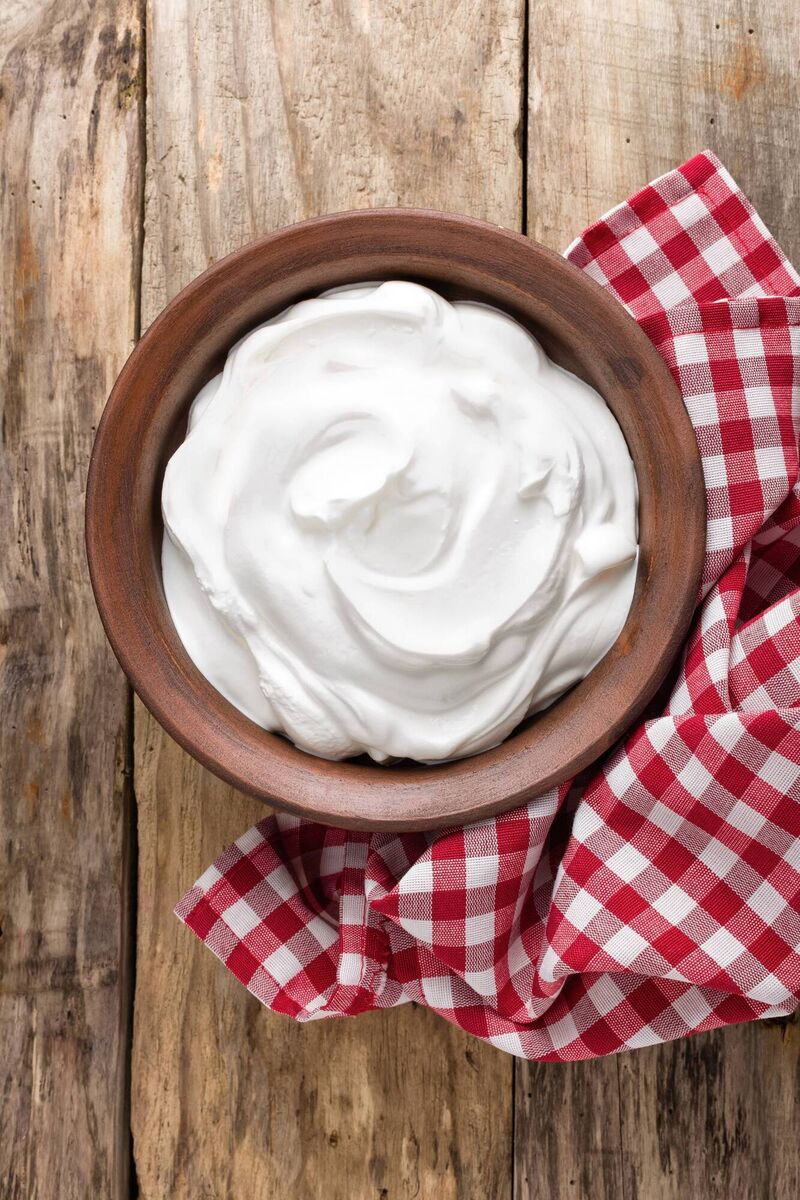
Fermented milk products such as cottage cheese, kefir, and yogurt are a source of probiotics

“Even when these microbial alterations are minor, they can result in huge changes in gastrointestinal transit — slower or faster digestion of food — and visceral sensitisation causing pain or cramps,” says Ruani.

“As a reflex, abdominal wall muscles relax, and the diaphragm descends, both causing abdominal distension or a bloated and expanded waist, which is why tight clothes become uncomfortable as they press against our distended gastrointestinal tract.”

Even if you are taking a morning probiotic supplement, it helps to get more probiotics from fermented milk products such as cottage cheese, kefir, and yogurt, as well as from unpasteurised fermented vegetables such as sauerkraut and miso, Ruani says.

You have permission to put your feet up

By the time Christmas Day is over, many of us feel so fatigued that we want nothing more than to put our feet up for an hour or two. Refreshingly, even experts say this is OK. “Staying active over the festive season for me is about feeling good, not making up for indulgence,” says McCormack. “I give myself permission to rest, and my advice to anyone is the same: keep moving in ways that feel good, stay flexible, and don’t worry about perfection.”


Keep moving in ways that feel good, stay flexible, and don’t worry about perfection.

x

Celebrating 25 years of health and wellbeing

More in this section

Lifestyle

Newsletter

The best food, health, entertainment and lifestyle content from the Irish Examiner, direct to your inbox.

Cookie Policy Privacy Policy Brand Safety FAQ Help Contact Us Terms and Conditions

© Examiner Echo Group Limited