Silent night: why seasonal sleep is essential for Christmas
The countdown to Christmas is on. With so much to do and think about, the pressure can disrupt sleep. At a time of year when we need to be on top form, getting enough shut-eye is essential
”TWAS the night before Christmas and all through the house, not a creature was stirring, not even a mouse…”
If only the words of this classic Christmas rhyme bore any resemblance to modern-day reality. In the days between now and Christmas, far from spending our evenings tucked up in bed, many of us will be rushing around shopping for presents, attending festive gatherings with work colleagues and friends, and organising logistics to get all the family together for a feast on the big day.
Natalia Putrino, a chartered member of the Psychological Society of Ireland, says the accumulation of all this stress can make it difficult to get a moment’s peace, let alone a good night’s sleep.
She says: “We have built so much social pressure around Christmas. We have to have the best Christmas dinner. We have to attend all the social engagements. We have to buy the most carefully considered presents. And many of us try to meet these perfect standards while also trying to manage end-of-year work deadlines and struggling to afford all the extra expense. It’s a combination that can cause stress and lead to us losing sleep.”
We lose sleep because this stress affects us physiologically.
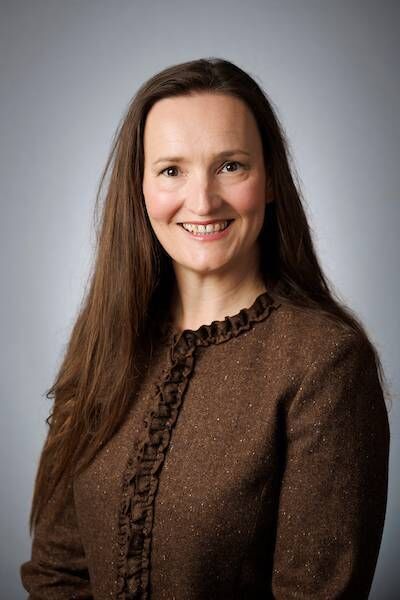
Sophie Crinion is a consultant in respiratory and sleep medicine at St Vincent’s University Hospital in Dublin. She explains that “stress makes us vigilant, which is useful in certain circumstances, but not for sleep. Increased alertness prevents us from falling asleep, and even if we do manage to nod off, it usually wakes us again”.
Putrino outlines how stress prompts our bodies to release adrenaline and cortisol, hormones that activate the fight-or-flight response.
“They pump blood to our arms and legs, preparing them to defend themselves or run,” she says. “They also cause our muscles to tense in readiness for action. Hardly anyone can sleep with their body in such a state.”
Late-night socialising further exacerbates the problem. Putrino says bright lights can delay the release of melatonin, which we need to make us sleepy, and adds that “there’s a lot of stimulation involved in these nights out too, from loud music to the social cues we need to read when we have conversations with others. Our brain needs to process all of this sensory and emotional information afterwards. This can keep us awake long after we call it a night”.
The Christmas cocktails and mince pies served at these events are other ingredients that can lead to sleepless nights.
“Even though alcohol can help us fall asleep, it has a detrimental effect on overall sleep quality,” says Crinion. “It’s a diuretic, which means it wakes us up because we have to use the toilet. The headache it causes wakes us up too, as does the caffeine that’s in many of the drinks we use as mixers. And the high-fat foods served at Christmas parties can give us acid reflux, which — as anyone who has had it will testify — definitely keeps us awake.”

There’s an argument to be made that it’s a mistake to put our bodies and minds under all this extra strain in winter.
Sleep physiologist and director of the Dublin-based sleep health service Deltasleep Motty Varghese says that sleep is affected by the seasons and that the lack of daylight may mean more sleep is required, not less.
Crinion offers more reasons to be gentler with ourselves during the darker half of the year.
“Our bodies use more energy regulating themselves as they transition from the cold outdoors to the warm indoors and back again,” she says.
“Our immune system comes under more pressure because more viruses are floating around and we’re more exposed to them as we spend more time indoors. All of this puts strain on the body and tires it out more.”
Yet, even before we pile on the seasonal physiological and psychological pressures, most of us are already struggling with sleep. Experts recommend that adults get seven to nine hours of sleep per night, but the Healthy Ireland Survey, published in November, reported that Irish people get an average of 6.9 hours.
Varghese says this lack of shuteye can cause problems. It has an immediate impact on “cognition and performance in many domains such as our ability to pay attention and concentrate, emotional reactivity, memory function, decision making, risk-taking behaviour and judgement. Our reaction times become slower too, which is important to consider, especially as the holiday season can involve driving in poor weather.”
The impact can be even more serious if sleep issues persist long term. A 2024 US study involving 6,785 participants was one of the latest in a series of studies to have linked poor sleep to a higher risk of heart disease, depression, obesity, and type-2 diabetes.
A University of California study from that same year linked it to accelerated ageing of the brain.
Varghese knows that such findings can cause people to lose yet more sleep. Rather than sitting up at night fretting about the long-term consequences of poor sleep, he urges people “to do something to resolve sleep problems”.

So what can we do to get the sleep we need this festive season?
Start with the simple things, says Varghese. Christmas may be a time for indulging in good things to eat and drink: “But the price we pay for that is the effect it has on our sleep. So be aware, try to celebrate responsibility, and focus on returning to normal habits as soon as the festive period is over.”
When it comes to alcohol, Putrino advises stopping drinking a few hours before bedtime: “Alcohol causes dopamine levels to spike and then crash, which causes anxiety and depression. We don’t want that to hit just as we’re trying to go to sleep.”
Crinion recommends “avoiding alcohol and going to bed earlier on days when there are no events planned. We know that having a regular routine, which means getting up and going to bed at roughly the same time every day, really helps with sleep.
“This won’t always be possible over Christmas, so try to make up for lost sleep when you can”.
However, don’t go overboard with the lie-ins. Varghese says that “they may pay off some of the sleep debt, but they can also have a knock-on effect on the next night’s sleep. Our sleep drive is one of the major determinants of our ability to sleep and it’s set by the wake period during the day”.
If anxiety over never-ending Christmas to-do lists keeps you awake, Putrino suggests scheduling what she calls “worry time”.
“If you start overthinking things in bed, tell yourself that your brain needs to rest and that you will set aside 20 minutes the following day to come up with solutions to whatever problem is causing you concern,” she says.
If parking the problem in this way doesn’t work, interrogating it might.
“Identifying exactly what we are worried about and asking if it amounts to a real problem can calm our nervous system,” she says. “So can the likes of simple stretches to counter the physical aspects of stress, breathing techniques and meditation.”
Crinion advises keeping a journal by the bed so that if you wake up thinking of something that needs to be done, you can make a quick note.
“I don’t even bother turning the light on when I do this,” she says. “Scribbling a few words onto the page reassures me that I won’t forget whatever it is and allows me to drift back to sleep.”
If her brain is still in overdrive, she listens to a podcast. “But it has to be boring,” she says. “It can’t be anything that encourages the brain to engage.”
Varghese reminds us of the importance of maintaining a bedtime routine whenever possible. This means reducing light exposure from an hour before bedtime, disconnecting from devices and taking time to relax. Activities like a warm bath, light stretches, or reading can all calm the nervous system and prepare the body to switch off.
While Varghese recognises there can be an exhausting amount of tasks to complete and events to attend in the run-up to Christmas and over the festive season, he believes the holidays can also offer “a perfect opportunity for physical and mental rest. Most of us don’t have to worry about work. There’s time to go on long walks. Once Christmas Day is over, we can disconnect from to-do lists, planning, and decision-making. And we can spend time with loved ones, which can be restorative in itself”.
If sleep problems persist despite trying these strategies, it may be time to seek professional help.
“The criterion for seeking help is having difficulty sleeping on more than three nights a week for more than three months,” says Putrino. “But I wouldn’t necessarily wait that long. If your lack of sleep is impacting your day-to-day life and causing concentration problems, mood changes, irritability or anxiety, make an appointment to see your doctor.”
Dublin-based clinical hypnotherapist Fiona Brennan is an author and the woman behind the popular Instagram account @the_positive_habit.
She believes that learning to “flatline cortisol levels” is the secret to getting a good night’s sleep.
“If our cortisol levels are high, it’s as if our brains are on fire,” she says. “We may fall asleep from sheer exhaustion, but we won’t be able to sustain it. We’ll wake up again and again and again. What we want instead is for cortisol to peak in the mornings when we need to be alert and to slowly decline throughout the day so that our minds become calm, allowing us to sleep at night.”
- 1. Establish a sleep routine that starts an hour or so before bedtime. “If you want to be asleep at 11,” she says. “You need to start winding down from 10. This could involve having a warm bath, doing some journaling or reading. Just like a racing car doesn’t suddenly grind to a halt, your busy mind will take time to slow down after the day. Experiment to find out what it takes for you to do this.”
- 2. Try to go to sleep and wake up at the same time every day. “Sleep in a little if ever you are tired, but try not to do so for more than an hour longer than normal,” says Brennan. “It can knock your system out of whack.”
- 3. Don’t check the time if you wake up during the night. “It’s normal to drift up towards consciousness at certain stages of sleep but the trick is not to break through entirely,” says Brennan. “So don’t look at the clock or check your phone to see how many hours you have left. It will only make you anxious. Allow the hours or minutes you have left to be a time of rest instead.”
- 4. Prioritise rest as well as sleep. “I’m a big proponent of NSDR, or non-sleep deep rest,” says Brennan. “Lying down, closing our eyes, breathing and maybe listening to a guided meditation for 20 to 30 minutes daily allows us to let go of all pressure. Focusing on rest in this way helps with sleep at night.”
- 5. Try meditation. Brennan finds it helps with “clearing and cleaning all noise from the mind, calming the nervous system and sleeping well”.
Brennan and her husband host wind-down sleep sessions online, thepositivehabit.com. They combine meditation with sound therapy, and the next one takes place on December 22, just in time to counter last-minute Christmas stress.
- Sleep Well: 8 habits to help you fall asleep, stay asleep and wake up refreshed by Fiona Brennan, is published by Gill Books.
CONNECT WITH US TODAY



Be the first to know the latest news and updates