I’m a speech and language therapist — I was diagnosed with tongue cancer at 24
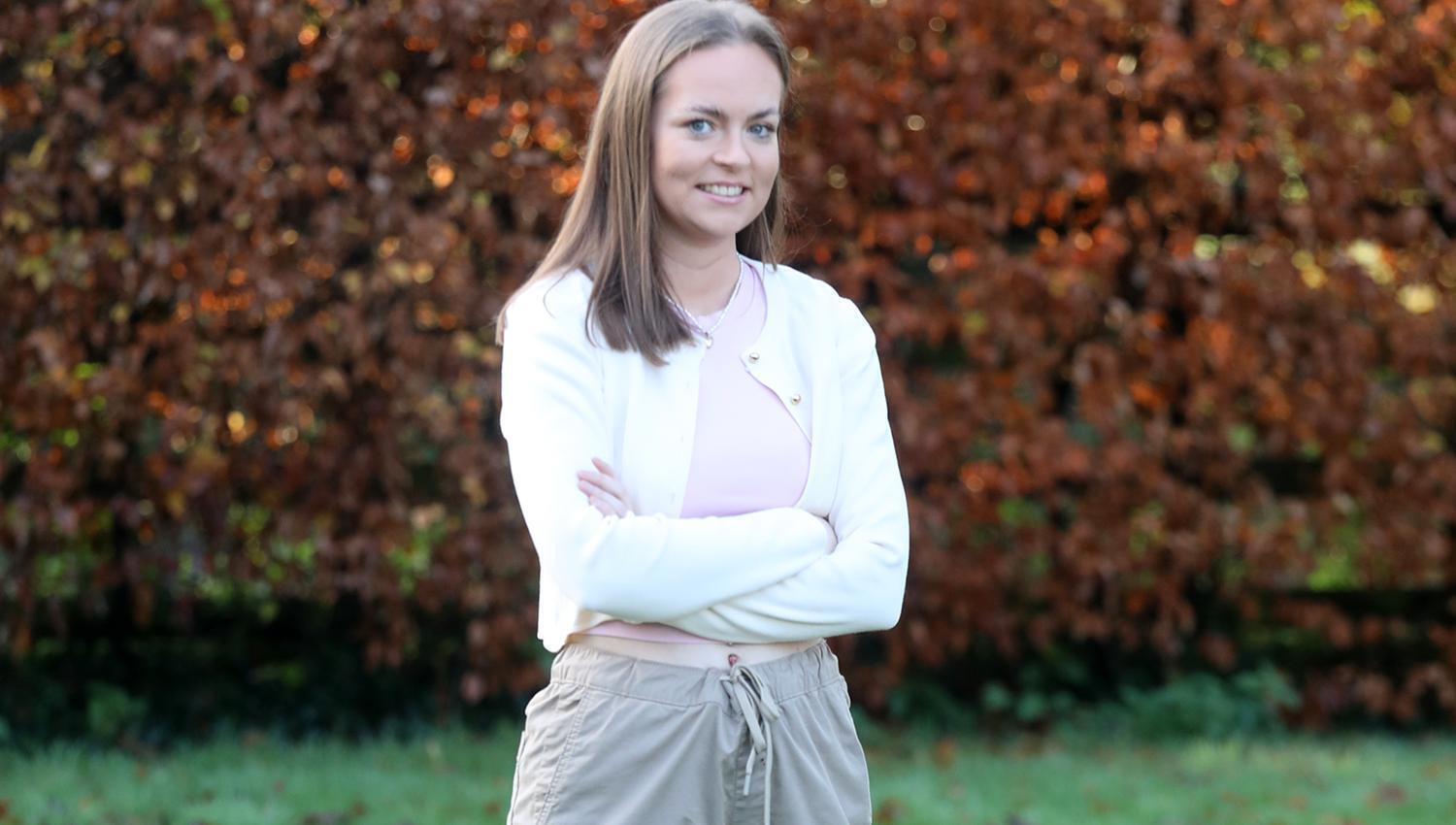
Orlaith Maher, who has been treated for tongue cancer. Picture Brendan Gleeson
Every year in Ireland, over 700 cases of mouth, head, and neck cancers are diagnosed. Classically, this type of cancer affects men and older people with risk factors like smoking and drinking alcohol.
In the past 10 years though, there has been an increase in the number of non-smoking younger people, especially women, being diagnosed, according to the Marie Keating Foundation.
Orlaith Maher, from Tipperary, was 24 when she was diagnosed with tongue cancer in January 2025. The previous October, Maher had first noticed a change in her tongue: “When I moved my tongue from side to side, it hurt a bit on the left side. I looked in the mirror and couldn’t see anything but when I put my finger in I could feel a small lump on that side.”
A couple of weeks later, she noticed a small white patch on her tongue, also on the left side. Around that time, she also noticed symptoms around her ear and neck: “I was getting pain in my left ear, and also a feeling like there was fluid in my ear. When I felt along my jawline, on my left side, I noticed a tiny lump.”
Maher had a scheduled dentist appointment in November: “I pointed out the lump to the dentist and asked him if he would do an oral screening. He did, and then referred me to an oral and maxillofacial surgeon in the South Infirmary in Cork.”
Following an examination, she was scheduled for a biopsy of the lump: “My biopsy was in January, and I got a letter about three weeks later to go back to the hospital for my review appointment. There, my doctor told me I had squamous cell carcinoma of the tongue.”
Squamous cell carcinoma is the most common type of oral cancer, accounting for 90% of all oral cancers.
Although she was shocked by the diagnosis, Maher said she valued the way the doctor delivered the news: “He came straight out with it. He told me it was cancer, and then outlined what needed to happen next. Honestly, that was all I wanted to know — what is going to happen now?”
Cancer of the tongue is considered rare.
Fionnuala Creighton, cancer nurse at the Irish Cancer Society, says the support required depends on the treatment: “The typical treatments are surgery, chemo, radiotherapy, or a combination of chemo and radiotherapy or targeted cancer drugs.”
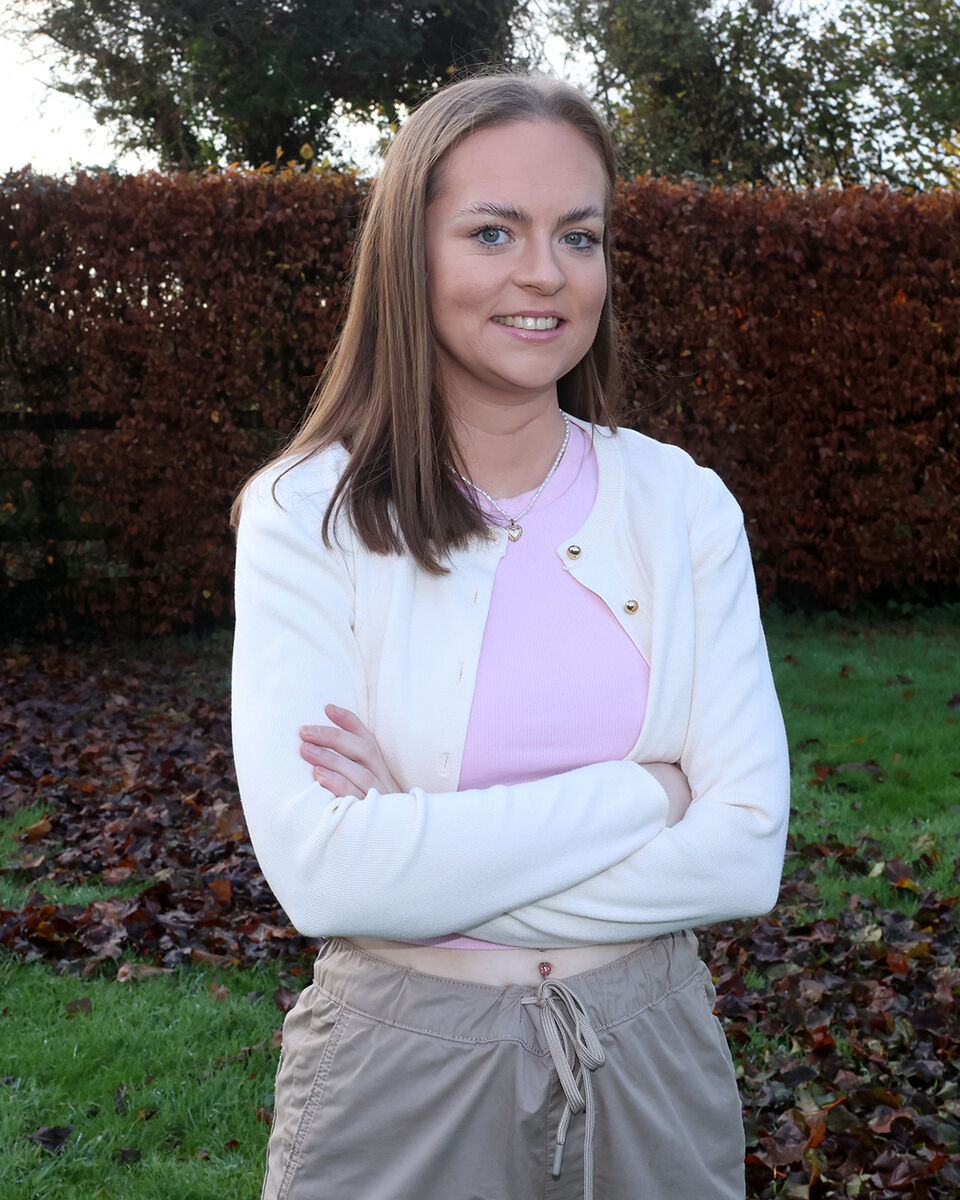
Because Maher is a speech therapist, she was particularly concerned about the impact the cancer would have on her speech: “I was scared in terms of what my speech would sound like afterwards. And, obviously, I knew more than a typical patient would, because I had studied oral cancers in college. That’s why I was so focused on what the plan was.”
The plan was to determine the size of the tumour and to ascertain if the cancer had spread beyond Maher’s tongue into her lymph nodes. For this, she needed an MRI, a CT scan, and an X-ray.
“They could see in the MRI that the tumour was 2cm long and 8mm wide,” she says. “This meant I would need what they called a ‘free flap’ because they would be removing part of my tongue and would need to reconstruct it.”
In Maher’s case, her surgeon explained they would be taking a section of skin from her wrist to reconstruct the part of her tongue they had removed.
Although the surgery was daunting, she kept a positive outlook throughout the various stages: “I think being positive got me through it. There were things to be positive about: I had such good support from my family and my friends. The cancer was caught early, and I had excellent care from the medical team. Obviously, it was a big shock when I got the diagnosis, but I took it day by day. I was never thinking long term, I just focused on what the next step was and getting through that.”
She underwent surgery in February. The surgeon removed the tumour along with a 1cm margin of surrounding tissue, which was later found to be free of cancer: “But the cancer had spread to two lymph nodes in my neck, which meant I had to have radiation therapy.”
She underwent 30 rounds of radiation over six weeks, and it was a difficult time: “The radiation caused ulcers all over my mouth, which stung when I ate. My diet suffered, and eventually I was put on a liquid diet. Then two days after I finished radiation, I was back in hospital with a lung infection, staying for four nights. Once that cleared, I started to get better pretty quickly with the help of my team, which included a physiotherapist, an occupational therapist, a speech therapist, and a dietitian.”
Treatments to the tongue can create problems with eating, chewing and drinking, says Creighton: “There can also be changes with speech and some people require the assistance of a speech therapist to try to restore speech. Some changes can be permanent, and some people may require psychological support to deal with the permanent changes and the diagnosis of cancer.”
MAHER returned to work in September and is working on getting back to life as it was before her diagnosis. An active person, she had continued 5k running right up to just before her radiation started.
“I’m back playing football now and I’m running again and exercising normally. My speech is normal. My eating and drinking are fully back to normal, except I can’t really eat spicy foods anymore, and I do suffer a bit with dry mouth,” she says.
She had her first post-radiation scan in September, which showed there was no sign of cancer.
“I would say my outlook on life has changed,” she says. “Before, I used to just go to work, Monday to Friday, and on the weekend play football and meet my friends the odd time, that was it. Now I want to do fun things and spend more time with my family. Life is short, and it should be about spending time with the important people, because you never know what might happen.”
CONNECT WITH US TODAY



Be the first to know the latest news and updates