Can exercise help us sleep better? Here are four types of exercises to try

Moving your body during the day will help prepare your body and mind for sleep at night.
Can exercise help us sleep better? Here are four types of exercises to try

Aerobic exercise taken five to six hours before sleep can contribute towards a longer, healthier rest.

People with insomnia often endure long, uncomfortable nights without rest, but new research indicates that specific forms of exercise may offer relief.

A team of researchers in China reviewed 22 clinical trials involving 1,348 participants and assessed the impact of 13 different methods on sleep, including seven types of exercise: Yoga, tai chi, walking or jogging, combined aerobic and strength training, strength training alone, aerobic exercise paired with therapy, and various aerobic routines.

Published in BMJ Evidence-Based Medicine, the study found that yoga was particularly effective, increasing total sleep time by nearly two hours and reducing the amount of time spent awake after falling asleep by almost an hour.

This research highlights the powerful link between physical activity and sleep quality. However, it also raises an important question: How exactly does exercise prepare the body and brain for sleep, and which types of exercise are most effective in doing so?

Brain

“Exercise can have a direct impact on our brain activity during sleep, including an increase in slow-wave sleep [the stage of sleep that is restorative] and increases our total sleep time,” explains Greg Elder, a specialist in sleep research at Northumbria University. 

“This means that we have better sleep for longer.”

Hormones

“Exercise can also affect relevant hormones,” says Elder. “For example, exercise can affect our melatonin levels, which is a hormone involved in sleep-wake regulation, as well as cortisol levels, which is a stress hormone.”

Mood

“Exercise is also beneficial for our mood, and mood is closely linked with sleep. Bad sleep is usually associated with mood disorders,” notes Elder.

“If we exercise outside and go for a morning run or cycle, for example, then we are typically exposed to bright, outdoor light, which in itself is a good thing for our sleep.”

If you’re struggling with sleep, here are four types of exercises to try:

1. Aerobic exercise like cycling or running.

“Aerobic exercises that increase your heart and breathing rates can make falling asleep easier by lowering your blood pressure and reducing stress,” says Hana Patel, resident sleep expert at Time4Sleep.

“For example, running and cycling are perfect for tackling any anxiety that is keeping you up at night.”

Luke Cousins, a health and wellbeing physiologist, agrees and adds:”It’s important to remember though that timings of when you work out is equally important to consider, because exercise can also cause a spike in adrenaline, which keeps your body in an alert state.

“For maximum benefit, try to get your exercise about five to six hours before trying to sleep but no later than two hours before bed.”

2. Strength training.

Try lifting some weights in the gym or workout using some resistance bands in the comfort of your own home.

“A mix of aerobic exercise and strength training can be beneficial, like lifting weights and using resistance bands,” says Patel.

“But remember to only do what feels comfortable and gradually increase the difficulty as you progress.”

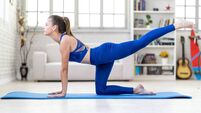
3. Yoga. Slow down and take time to stretch and breathe before bed.

“Yoga is also great for improving mindfulness and reducing stress, helping our bodies relax and reducing tension,” says Patel.

“Deep breathing techniques can help to improve sleep quality and relax the nervous system, allowing us to properly unwind before bed.”

Elder adds: “I would suggest avoiding any activity or exercise that is likely to cause you to be mentally stressed when you go to bed because stress is very bad for our sleep.”

4. Walking.

A brisk walk in the fresh air can help lower stress and anxiety that might be keeping you up at night.

“Walking can be a huge mood booster, as it helps to lower cortisol levels, something which can also impact our sleep quality and our energy levels,” says personal trainer Samuel Quinn. “If we’re walking outdoors — and hopefully away from a screen — this can also help reduce anxiety.”

x

More in this section

Lifestyle

Newsletter

The best food, health, entertainment and lifestyle content from the Irish Examiner, direct to your inbox.

Cookie Policy Privacy Policy Brand Safety FAQ Help Contact Us Terms and Conditions

© Examiner Echo Group Limited