Working life: 'We've helped patients doing Leaving Cert exams in hospital'
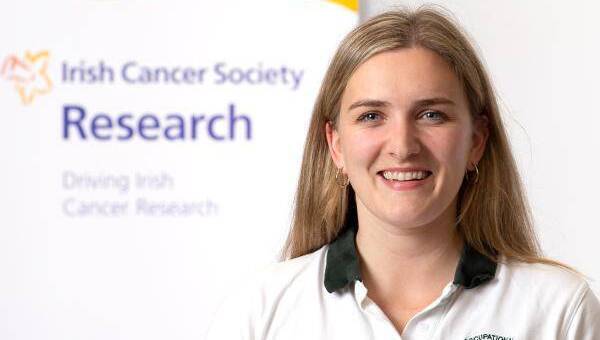
Dr Naomi Algeo, St James’s Hospital: "I remember meeting a Leaving Certificate student following a leukaemia diagnosis. We focused on exam accommodations to support her handwriting, concentration, and cancer-related fatigue."
“I grew up in Athlone, but I now live in Laois and commute to Dublin for work. I originally did business and economics but missed my science subjects. I didn’t know which healthcare profession to choose, so I went down the occupational therapy (OT) route, as you are dual-trained in mental and physical health. It’s a holistic approach and really feeds into my work supporting adolescents and young adults (16- to 24-year-olds) with cancer.
“I’ve worked as an occupational therapist for 11 years and have been with St James’s Hospital since 2021. A few instances stand out where we’ve helped facilitate patients to complete Leaving Cert exams in hospital.
"Many of these young adults would have just received awful news, yet are still keen to complete their exams, even if it means doing so while undergoing chemotherapy treatment.
“I remember meeting a Leaving Certificate student following a leukaemia diagnosis. We focused on exam accommodations to support her handwriting, concentration, and cancer-related fatigue. We linked with the Reasonable Accommodations at Certificate Examinations (RACE) co-ordinator in her school.
“I work in a dual role, across cancer survivorship outpatient services and postdoctoral research (TCD). This was made possible through an Irish Cancer Society Research Award where I’m researching adolescents and young adults navigating education/employment post-cancer.
"I did my PhD in cancer survivorship and employment, and a big part of my work is to support people going back to work and education after cancer.
“My days vary. In the morning, I could be meeting an adolescent struggling with chemotherapy-induced peripheral neuropathy (CIPN). This is where they experience numbness and tingling in their fingers and/or feet, have difficulty handwriting, often dropping things, and find dexterous tasks challenging.
"To help address this, we look at why they're experiencing CIPN, how they can compensate for it, and whether they can use any assistive technology.
“In the afternoon I could have a telehealth appointment to facilitate a patient before his lectures start. He’s struggling with cognitive fatigue and has returned to college after a stem cell transplant. We explore cognitive strategies, fatigue management, and link him with his university’s Disability Support Service.
Outside my professional life, I'm usually chasing after my 15-month-old daughter, or you could find me down by the River Shannon in Athlone as my family loves sailing.
CONNECT WITH US TODAY



Be the first to know the latest news and updates