Recognition of prior learning: The school of life leads to college qualifications
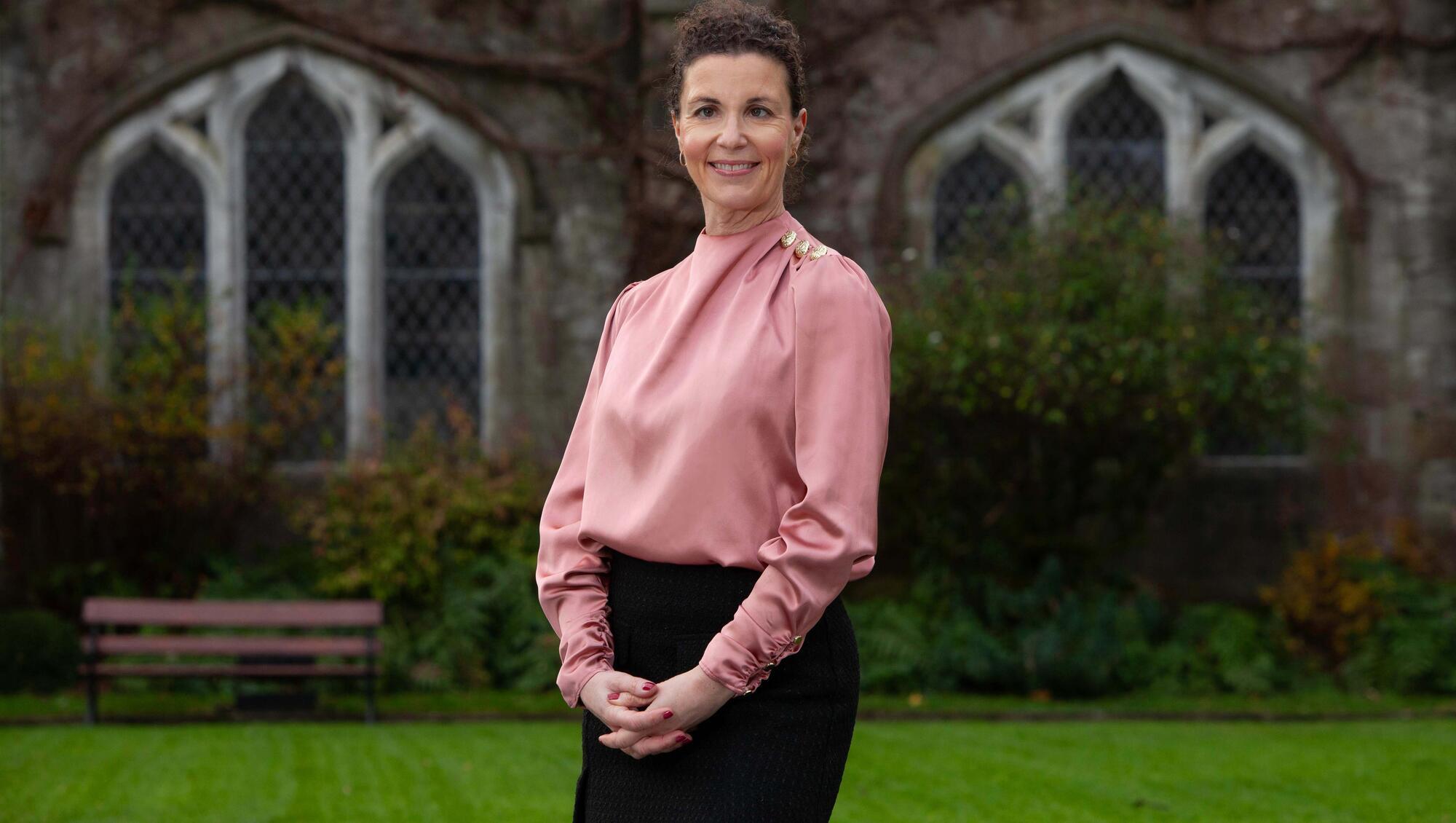
Dr. Ciara Staunton, Director of RPL, pictured at University College Cork. Pic Diane Cusack
THE deadline for CAO applications is looming, and Leaving Certificate students are deliberating which third-level courses will best qualify them for their careers. Those whose schooldays are long behind them may be feeling envious: If only they could study for a qualification that would allow them to take their lives in a new direction.
Dr Ciara Staunton is the director of the National Recognition of Prior Learning (RPL) Project. The RPL aims to remove these barriers, so that more people can enter higher education later in life.
“There are people out there who want to progress their careers, but not having a degree is holding them back,” Staunton says.
“Yet these same people can have a wealth of experience based on what they have learned in work and life. RPL places value on that experience, so that they can use it to gain entry to higher-education courses from level-six certificates right up to level-10 doctoral degrees.”
The lessons we learn outside of the classroom can be just as valuable as those we learn in it, says Dr Mary Quirke, a career guidance counsellor and a research fellow at the School of Education in Trinity College Dublin.
“As we progress through life, we learn how to cope and overcome challenges, whether it’s illness, managing a household, or other circumstances,” she says.
“We learn resilience, determination, and how to manage ourselves outside our comfort zones. We get to know ourselves better and develop a stronger sense of all we have to offer: And we all have so much to offer.”
We hone many personal and interpersonal skills as we go about our daily lives. “We learn people skills, like listening to and engaging with others, how to overcome obstacles, and realise success,” says Quirke. “Some of the most sought-after competencies include the ability to communicate effectively, to manage and complete tasks, leadership skills and problem-solving. These skills are developed both inside and outside of formal learning environments.”
As someone who completed her PhD in her 50s, Quirke believes that higher education shouldn’t be limited to the young and welcomes RPL to widen access to it.
“It doesn’t matter if you’re 40, 50 or older, you’re not over the hill when it comes to education,” she says. “There are so many options now for those who left education years ago. Courses are continuously being developed and changing their entry criteria to recognise experience, enabling career advancement or change.
“Online and hybrid learning can be combined with work, making access easier and ensuring learning can happen alongside busy lives. And learning support is available for those who need it, including those with specific learning difficulties, disabilities or differences.”
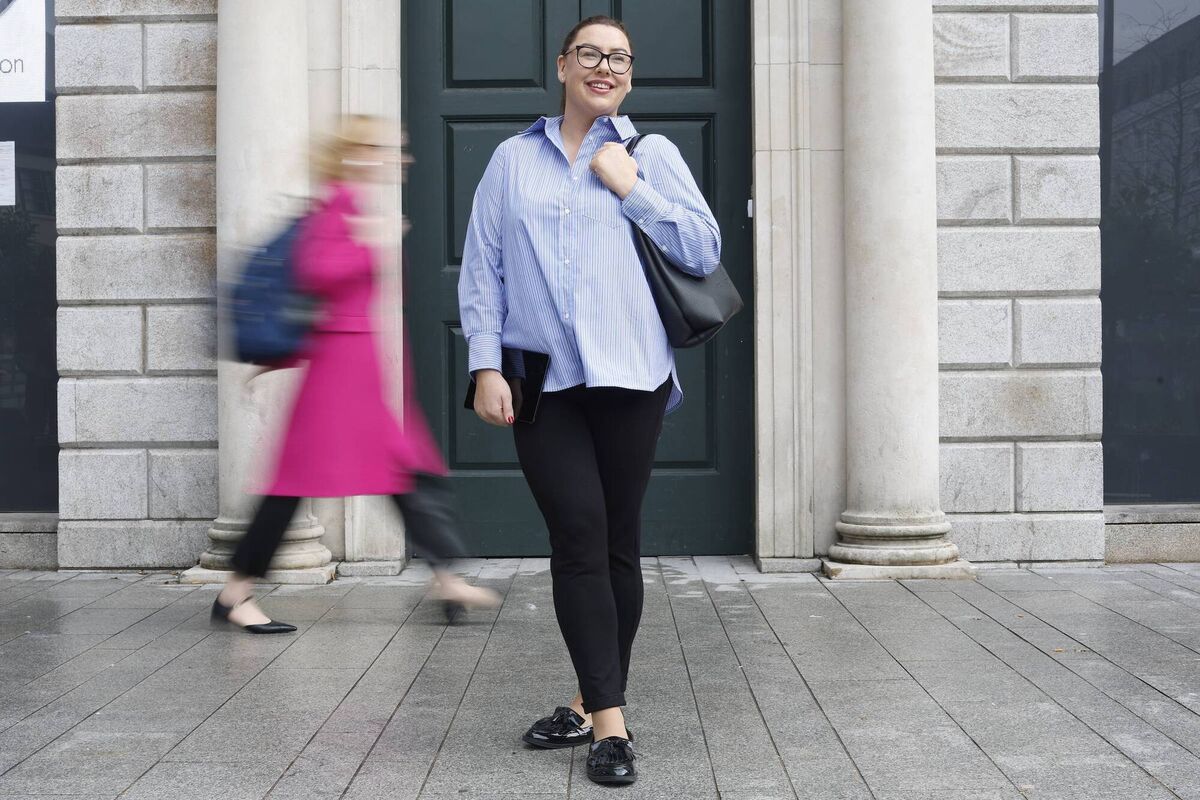
Susann Sullivan is studying for a business-studies degree at the Dundalk Institute of Technology.
The 35-year-old, from Drogheda, had previously run a successful business selling homemade snacks to retailers nationwide.
However, when she decided to close this business, her career options were limited, because she had no formal qualifications. That was when she decided to return to education.
She looked at the Dundalk Institute of Technology’s website and discovered that her degree could be fast-tracked, thanks to RPL.
“I discussed my goals and experience with the RPL lead at the Dundalk Institute of Technology, and he helped me assess how they aligned with the course modules,” she says. “As a result of the exemptions granted through RPL, I was able to enrol in year three of a four-year programme, which I’m now studying two evenings per week and four Saturdays per semester.”
Sullivan’s hard work is already paying off. She has found a new job as a business-development manager, which she combines with her part-time studies.
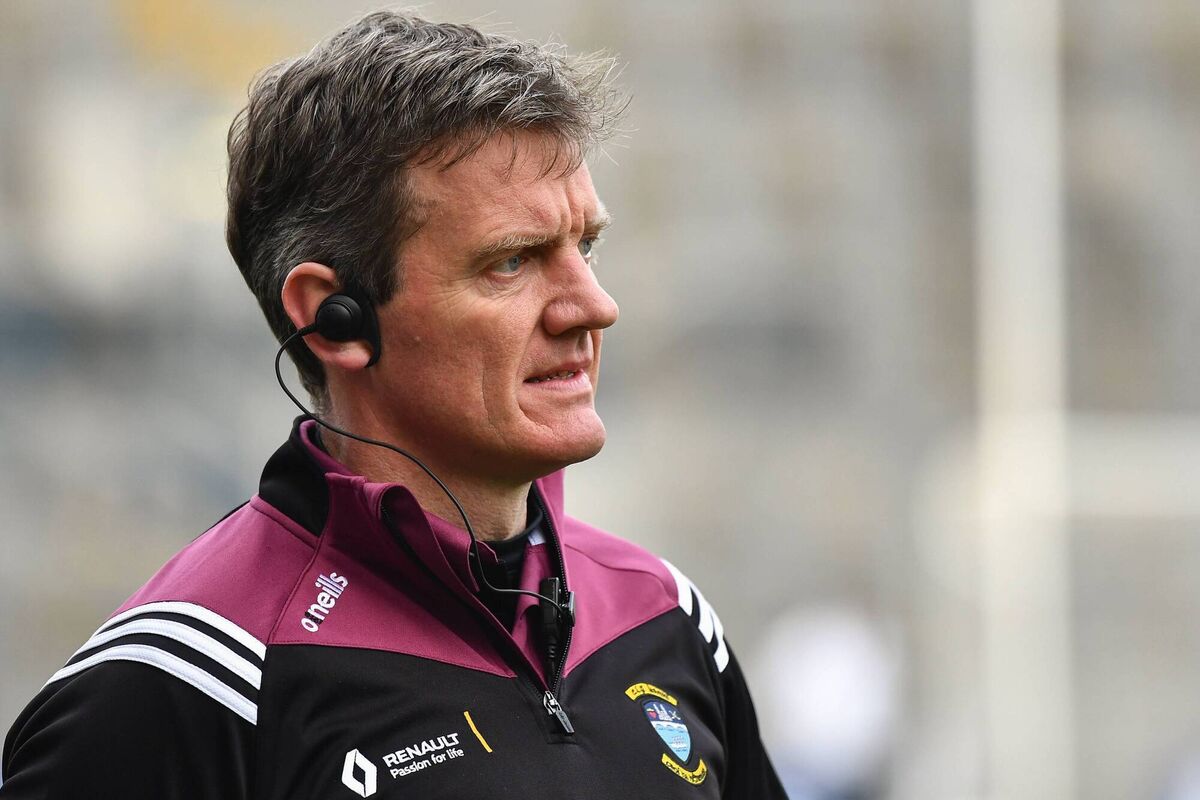
Former Westmeath football manager Jack Cooney is another example of someone who has availed of the RPL process to change his career trajectory.
Having done a business degree, followed by a postgraduate qualification in marketing, after leaving school, the 53-year-old, from Kinnegad, became an area branch manager for a construction supplies company.
But Cooney had always had a passion for sports and was excited when he realised that RPL would allow him to translate the hands-on experience he had gained while playing and managing the Westmeath team in to something tangible that he could use to apply for a master’s in sports performance at the University of Limerick.
Returning to education was daunting. “I was married with three children and had a lot of responsibilities,” he says.
“I put a lot at risk to follow a dream, and there were many challenges to overcome, including the four-hour round trip up and down to Limerick every day.”
However, with considerable help from his wife, Elaine, he graduated and his new qualifications earned him a role as the GAA’s national player development lead.
“My time at the University of Limerick has absolutely propelled me to bigger and better opportunities,” he says. “The change in career path is fulfilling and rewarding and something I wouldn’t have been able to do, or been qualified for, prior to returning to education.”
Both students acknowledge that returning to education as an adult is difficult.
“I was nervous at first,” says Sullivan. “It had been such a long time since I’d taken exams or written assignments.”
“Most of my class came straight from undergraduate programmes, so there was a considerable age gap between us,” says Cooney.
“The course content, completing assignments and exams, and learning and understanding new material was challenging, too, as was combining course commitments with family commitments, from a time-resource point of view.”
Nevertheless, both overcame these difficulties with support from lecturers, other university staff and fellow students.
Cooney now encourages everyone to consider returning to education. “Not only will you learn about a subject you’re interested in, but you’ll also learn more about yourself,” he says. “It’s refreshing, reinvigorating and provides you with an opportunity to grow. You’ll test yourself in many ways you may think you’re not capable of, but it’s so rewarding when you come through the other side.”
Sullivan says her third-level course enhanced her skillset and opened new career prospects. “It’s also given me a deeper understanding of business, strengthening my confidence and abilities in the workplace. I’d definitely recommend it. Education offers you the chance to make big changes to your life and career, no matter what age you are.”
As we ease in to a new year, Quirke believes that now is an ideal time to consider enrolling in a third-level course, especially for those who feel uninspired by their current jobs.
“Re-engaging with learning can be so motivating,” she says. “You won’t just develop new skills. You’ll meet new people, widen your network and hear what’s happening in other learning and work environments. No one needs to be stuck in a career rut anymore. You can change your life and career through education.”
- The RPL Project aims to help 15,000 learners in Ireland to upskill or reskill over the next five years.
- For more information, visit www.priorlearning.ie.
- Standard course fees apply.


CONNECT WITH US TODAY



Be the first to know the latest news and updates