Gerry Hussey: Change from the inside out
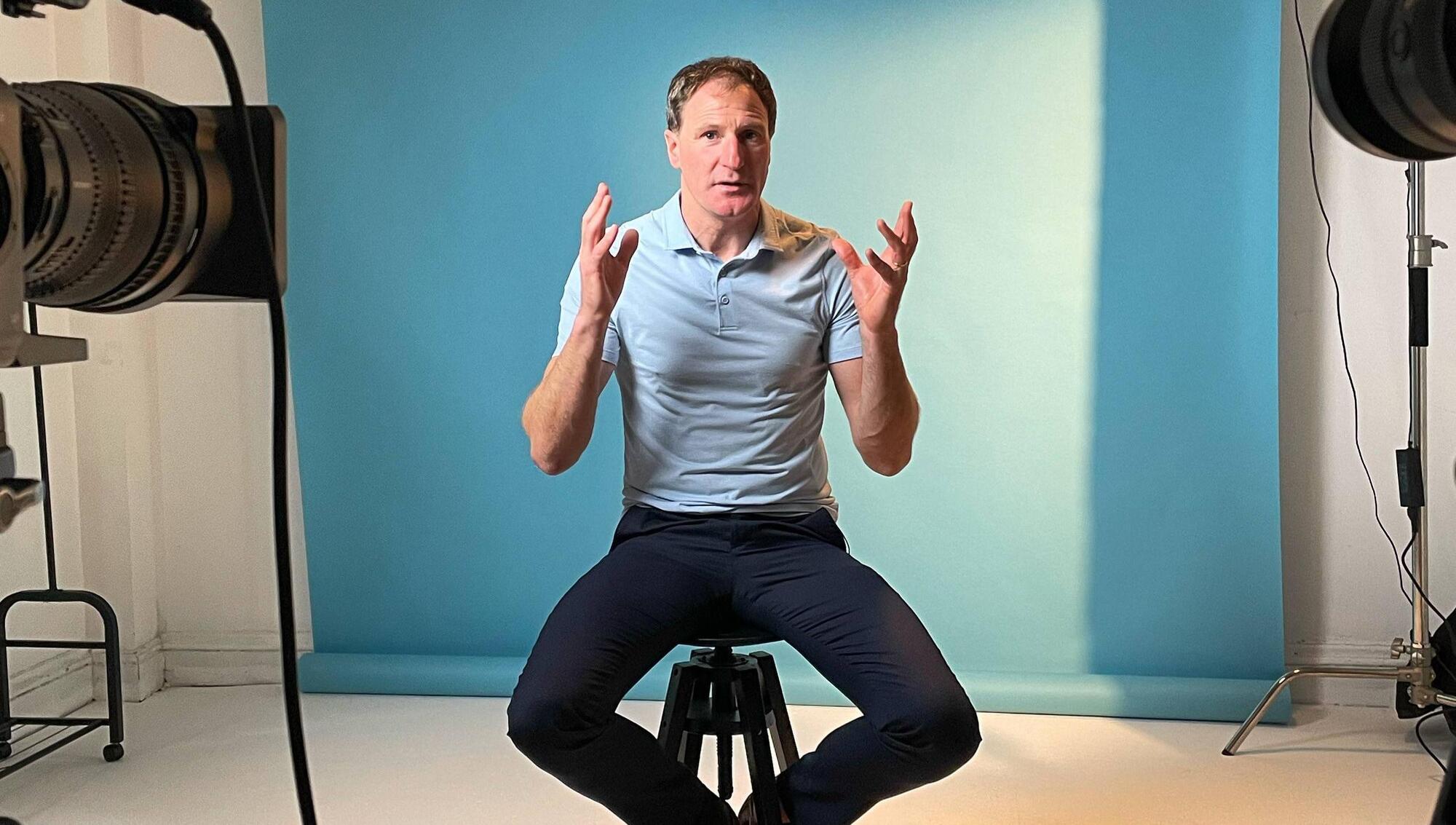
Performance psychologist Gerry Hussey.
MOST of us have set critical goals and felt focused, confident, and motivated at the time. However, the vast majority of these goals never materialise.
While goal setting is meant to motivate, inspire, and uplift, the process can bring guilt, shame, and frustration because our goals are not achieved, leaving us feeling even worse about ourselves.
To avoid the goal-setting trap, we must remember that it’s not actually about the goal.
The real power of a goal is not in achieving it — the power of a goal is in the person it enables you to become.
Breaking your goals into three sections is critical to achieve a successful result.
1. The outcome
What outcome would you like to achieve?
Take a moment to write down three outcomes you want to achieve. Perhaps you want more money, to fall in love, and become fitter and healthier.
Now, let’s begin the second and more important part of goal setting.
2. Process enablers
Beside each goal, write down five process enablers. A process enabler is a simple action you could take daily to move closer to your goal.
So, if your goal is to become fit and healthy, write down one thing that will move your body more, one thing from your diet that you can improve, one thing that you can improve about your sleep, one thing you can build into your morning routine, and one thing you can do to ease your stress levels.
Process enablers ensure we turn the focus from the outcome to the process. They give us real, tangible, measurable activities we can achieve daily and help us build motivation, success and confidence.
3. Become the person
The most important part of goal setting is to think about a person who has already achieved what you want.
So, if your goals were to have more money, fall in love, and be fit and healthy, close your eyes for a moment and imagine somebody who has an abundance of money, is fit and healthy, and is deeply in love. Can you visualise that person? What would they look like?
Now, think about the characteristics that that person would possess.
Let’s write them down:
- Would that person be organised?
- Would they be confident?
- Would they be disciplined?
- Would they be assured?
- What people would they surround themselves with?
- Would they be positive?
- Would they be fun to be around?

In describing the type of person with the qualities you hope to manifest, ask yourself if these are the words you would use to describe yourself right now.
If not, this is where goal setting can get stuck.
Visualisation is a simple but powerful technique that activates our emotions and brain chemistry to move and focus on the things we want and not the things we fear. Elite athletes often think about the outcome, win, or performance.
Many choose not to focus on the outcome but on their body language, breath, and process visualisation, or where the athlete would see themselves perform the process excellently over and over and over again.
Consider the penalty taker or player who takes a free kick by visualising their routine: picturing how they feel as they stand over the ball, take the perfect kick, and watch the ball hit the back of the net or soar over the bar. They are firing the same neurons as if they were on the field kicking the ball.
Studies have shown the difference between people who practice the piano for several weeks physically on the piano and other people who, for the same period of time, simply visualise themselves playing the piano. The most amazing thing was when both groups were brought back together; the group that only visualised themselves playing the piano could play it as well as a group that had physically been playing it.
Visualisation is such a powerful tool, and the truth is most people are visualising every single day.
Life does not give us what we want — it gives us who we are.
Setting a new goal and writing it down but remaining the same person simply does not work.
Your first and most important step in goal setting is not to focus on the outcome but to become the ‘right’ person with the right process. Once you become the ‘right’ person who thinks, feels, and acts in the right way, you will have the right process.
The true power of goal setting is never in achieving the outcome — it’s the person it enables you to become in pursuit of the goal.
Goal setting is not about the goal — it’s about liberating you.
CONNECT WITH US TODAY
Be the first to know the latest news and updates