Strength in numbers: Support your local sports clubs as they nurture our Olympians
Many athletes who represented Ireland at the Olympics started in local clubs, supported by coaches and members. If you feel inspired by their success, why not join a team active in your area
Strength in numbers: Support your local sports clubs as they nurture our Olympians

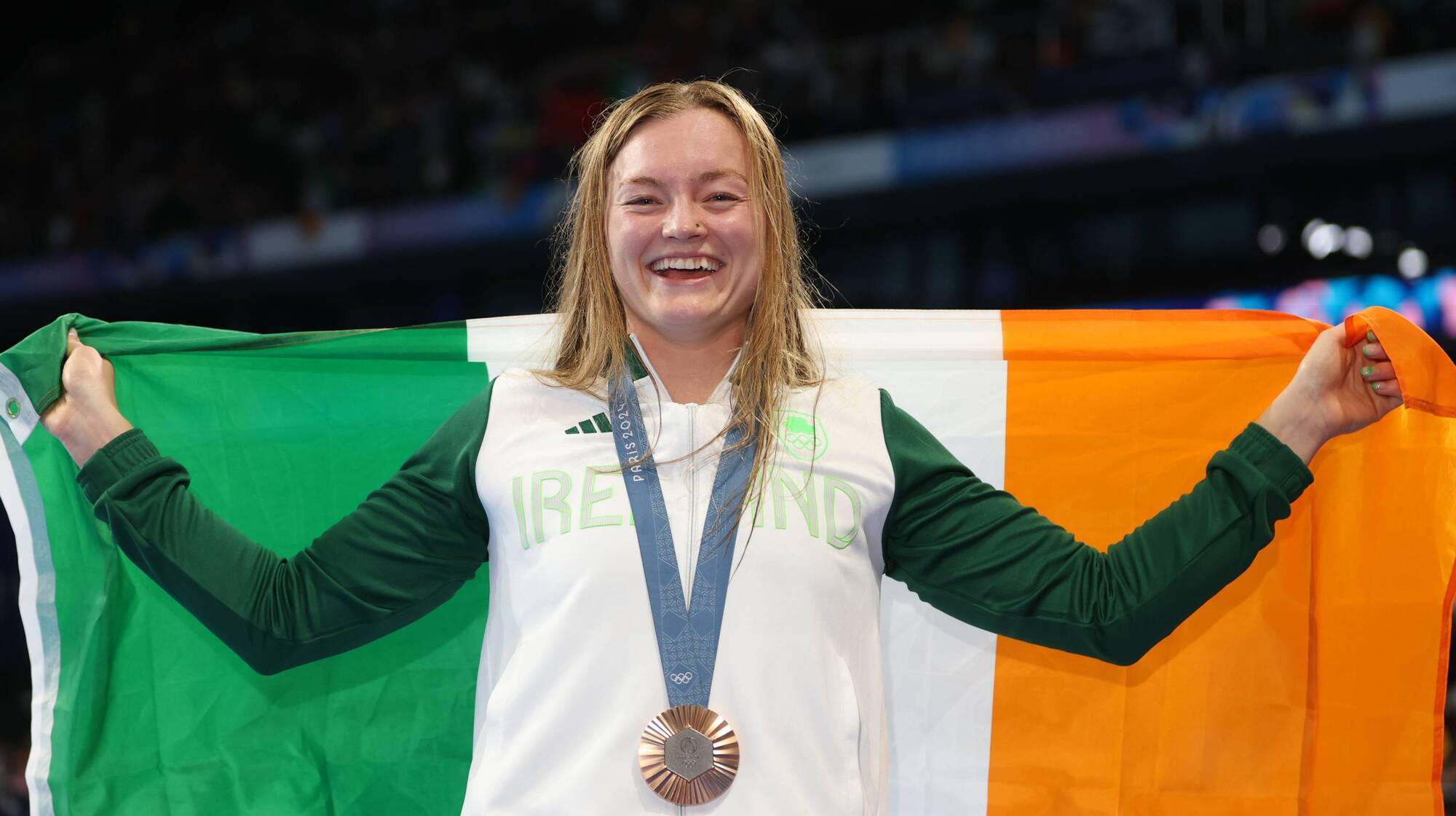
Ireland’s Mona McSharry celebrates with her bronze medal. INPHO/James Crombie
THIS summer’s Olympics went swimmingly for Sligo’s Mona McSharry. 

The 24-year-old brought home Ireland’s first tournament medal when she won bronze in the women’s 100m breaststroke event.

“I was overcome by so many emotions,” she says. “I couldn’t stop buzzing.”

To reset, she took herself off to America for two weeks, where she is a sports scholarship student at the University of Tennessee. 

“I needed to get back to routine to recover from the physical and mental challenge of the Olympics,” she says.

Once she had taken that time to reflect and process all that had happened, she returned to celebrations in her local community. 

One of the biggest celebrations was organised by the Marlins Swim Club in Ballyshannon in Co Donegal, where McSharry’s journey to international sporting success began.

“I learned to swim when I was about five, and joined Marlins when I was about eight,” she says. 

“I trained with them until I was 20. It was a small club with a great atmosphere and everyone there was so supportive. My time there was crucial.”

What she remembers most is the relationships she formed with people through the club. “My brother Mouric attended with me, and I met two of my best friends there,” she says. 

“Mouric, Ruby Hurst and Róisín Maguire, and I were dedicated swimmers — we formed a squad that trained together, holding each other accountable, and pushing each other forward.”

She also developed a special bond with coach Grace Meade. “She structured a training plan for me, and put so much time and effort into my progression right up until I left for America,” says McSharry. 

“We developed a fantastic friendship, and I credit her for playing a huge part in my success.”

McSharry now competes at the highest level of her sport, and says she wouldn’t be where she is today were it not for the facilities and supports she could avail of at her local swim club.

But that club didn’t exist to cater exclusively for high performers like her. Like all local community clubs, it was where people of all abilities could discover the benefits of participating in sport.

“There are over 12,000 registered clubs in Ireland as well as lots of community sporting groups,” says Louise Burke, director of participation with Sport Ireland, the national body tasked with developing sports and promoting physical activity.

“All of these clubs and groups bring people together to enjoy physical activity at a level that suits them and to discover or rediscover the connection, socialisation, and fun that comes from playing sport.”

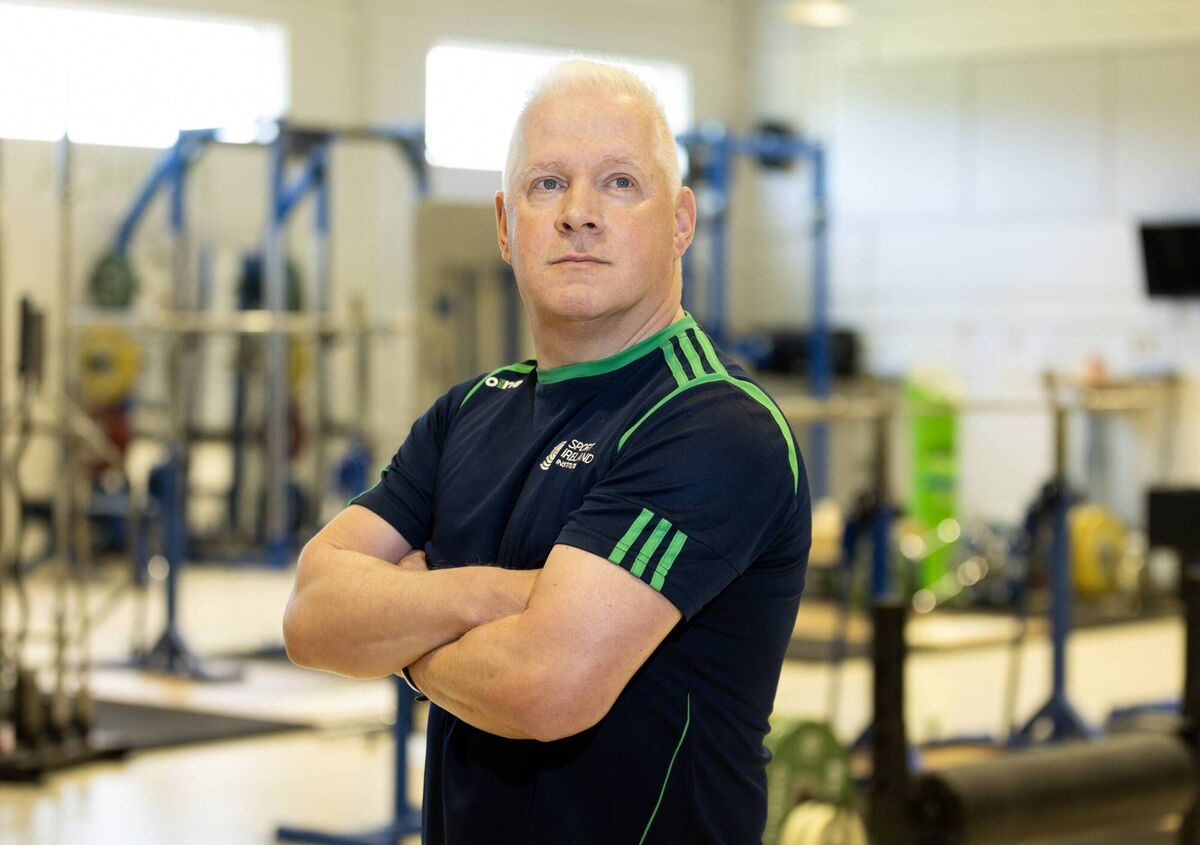
Psychologist Paul Gaffney. Photo: Evan Treacy

Move to improve mental health

At this time of year, when many of us are resuming our regular routines and recommitting to our fitness goals, it’s worth reminding ourselves of the benefits of physical activity.

“We’re aware of the improvements it will make to our physical health, but we may not know that moving our bodies is also key to our psychological health,” says Dr Paul Gaffney, lead consultant in high-performance sport clinical psychology at the Sport Ireland Institute.

“We see our problems in a different way while moving. If we think about an issue that’s bothering us before going for a walk and again afterwards, the issue will remain the same but our perception will have changed. We can all get psychologically stuck, and movement is a powerful way of reframing our mindset.”

The lessons learned while playing sport can significantly help us in life outside of sport. 

“Think about it,” says Gaffney. “We experience failures, setbacks, and disappointments. We deal with injuries, and loss of form. We have to work with other people to solve problems, and resolve conflict. We have to take responsibility, and learn to forgive both ourselves and others. If we learn to manage these emotional ups and downs in sport, we’ll be able to apply them to other areas of our life such as our family, friends, and workplace.”

Participation in sport can also help us to connect with others on an emotional level. “When our mental health is poor, and things feel dark, we often feel alone, and different to others,” says Dr Gaffney. 

“But when we join a sports club or group, we’re likely to meet others like us, experiencing many of the same fears and concerns about taking on something new. Realising that most of us share the same worries is good for us, and bearing that realisation in mind can reassure, and help us through life.”

Gaffney believes September is an ideal time to join a club. “It’s a time of fresh starts and new beginnings for many people,” he says. 

“And because they know this, many clubs and groups hold introductory events for people who are just starting out or returning to sport. I’d recommend that people attend these.”

Club together for big benefits

According to Sport Ireland’s Irish Sport Monitor, which surveyed 8,512 people in 2022, 29% of people in Ireland would like to try a new sport. Ms Burke recommends that you go for it if you’re one of them.

“People are feeling inspired at the moment because they have seen our wonderful role models doing so well at the Olympics, and other sporting competitions, over the summer,” she says. “Go along to your local club to see what they’ve got to offer.”

There is potentially so much to gain by doing so. “We all know that physical activity helps to stave off the health conditions that can become more common and problematic as we age,” says Ms Burke. 

“There’s also the connection you’ll create with a community of people who share your interests. Participation in sports and sports clubs offers us a fantastic way to be active, healthier, happier, and more connected to our community.” Knowing that you have a club of people behind you helps you double down on fitness goals.

“We all know the feeling that hits us 15 minutes before we’re due to exercise,” says Gaffney. 

“We start coming up with excuses. It’s cold. It’s dark. We don’t feel like it. But having that social contract where we’ve told others that we’ll turn up brings a sense of obligation. We don’t want to let them down, so we get over our resistance.

“And at the end of the day, we’re glad we went rather than having stayed in for another episode of  Coronation Street.”

To find out how to participate in sporting activities in your area, no matter your level of ability, Ms Burke recommends checking out the Sport Ireland website, which identifies the clubs, amenities and facilities near you.

Joining a club made all the difference to McSharry, and she encourages others to sign up.

“Try a few clubs to see which sport you like best, and then when you’ve settled in at your chosen club, you’ll find that you’re making progress in your sport,” she says. 

“You’ll be doing something you enjoy with people who like doing it too, which will heighten your enjoyment even more.

“If you’re lucky like me, you might even make lifelong friends. I loved Marlins and still do. I make sure to pop in and say hello whenever I’m home.”

More in this section

Lifestyle

Newsletter

The best food, health, entertainment and lifestyle content from the Irish Examiner, direct to your inbox.

Cookie Policy Privacy Policy Brand Safety FAQ Help Contact Us Terms and Conditions

© Examiner Echo Group Limited