Meet the dream coaching team behind Ireland's Olympic medal hopes
What does it take to reach the peak of your sport and be selected for Team Ireland? We ask members of the elite support crew to share insights and top tips
Meet the dream coaching team behind Ireland's Olympic medal hopes

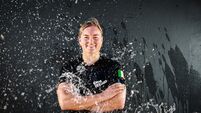
Irish Olympic physiotherapist Julianne Ryan. Photo: Evan Treacy
Some 122 athletes will represent Ireland at the Paris Olympics. All have spent years honing the physical skills and mental focus required to perform under pressure. 

Here, we ask the team behind Team Ireland to give us an insight into what it takes to train like an Olympian and what we can learn from their elite experience.

Irish Olympic physiotherapist Julianne Ryan. Photo: Evan Treacy

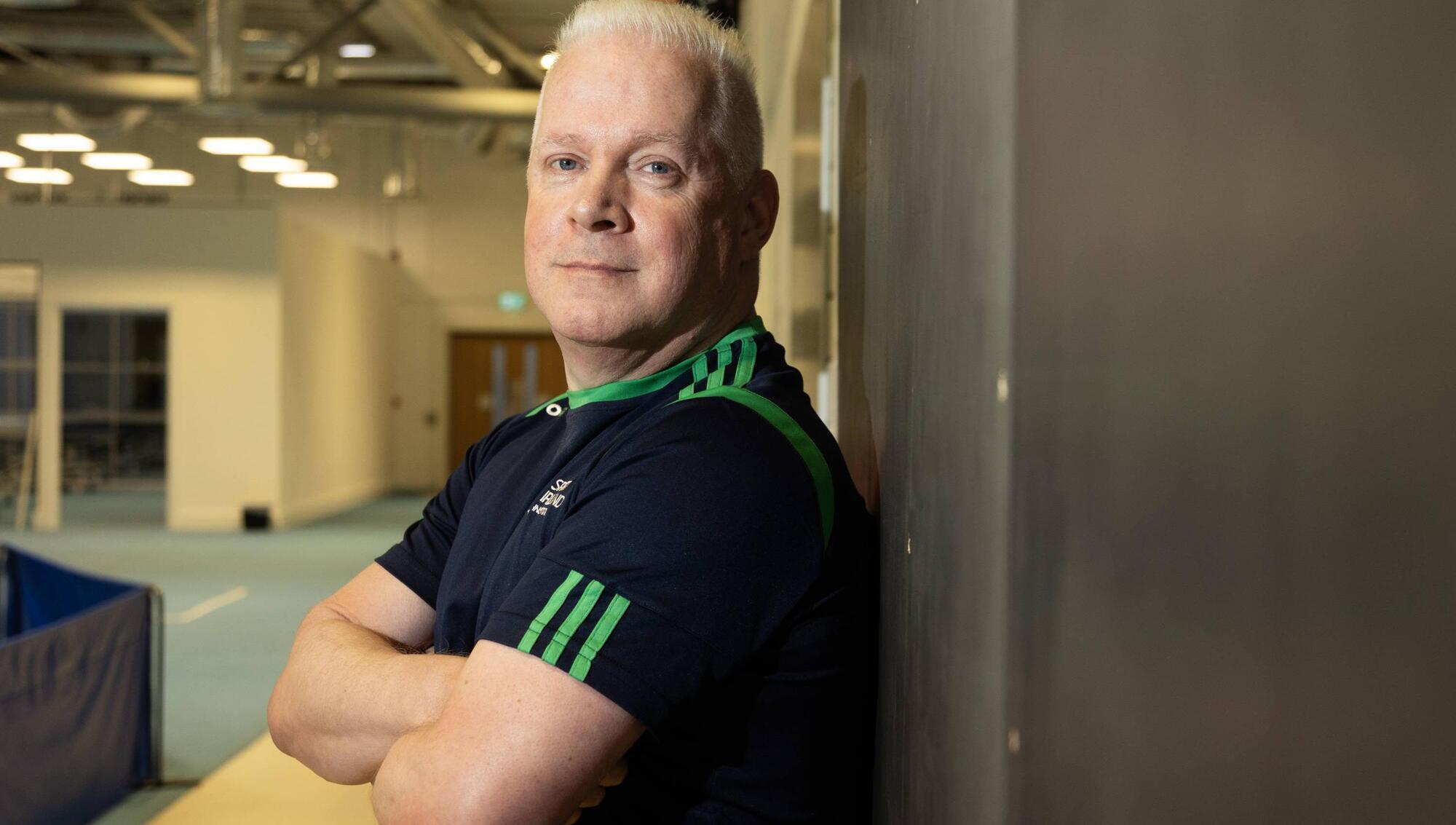
Dr Paul Gaffney is the high-performance sport clinical psychology lead consultant at the Sport Ireland Institute. He ensures that mental blocks do not hinder athletes.

“Mental attitude determines so much,” he says. “Athletes realise this and use it to their advantage.”

There are three aspects to his job. One is providing clinical psychology services. “Athletes worry about the same things we all worry about, from breakups to bereavements,” he says. “But they also have to contend with issues like maintaining confidence and dealing with defeat. I support them through all this.”

Two is designing programmes to help athletes manage the stress of competing. “These programmes cover skills like coping with anxiety, setting goals and simple things like controlling exposure to social media,” he says.

The third is specific to high-profile sporting events like the Olympics. “People’s careers ride on events like these, and I hold group and individual sessions to make sure athletes are in the right space before they compete,” he says. “I also support those who experience disappointment.”

Gaffney believes we could all learn lessons from athletes, such as how they handle tedious training schedules.

“So much of training is repetition and athletes get through it by setting short-term goals and reminding themselves of their longer-term aims,” he says. “I now do that myself when I struggle with exercise. I tell myself that I can’t expect it always to feel good but that as long as I do it consistently, it’ll be worth it in the long run.”

The value of incremental improvements is another. “All the improvements I make with athletes are small,” he says. “It’s only when I look back that I see how the tiny changes have added up over time.”

Top tip: “Move more,” says Gaffney. “It’s a magic bullet for mental health - even five minutes a day will make you feel better.”
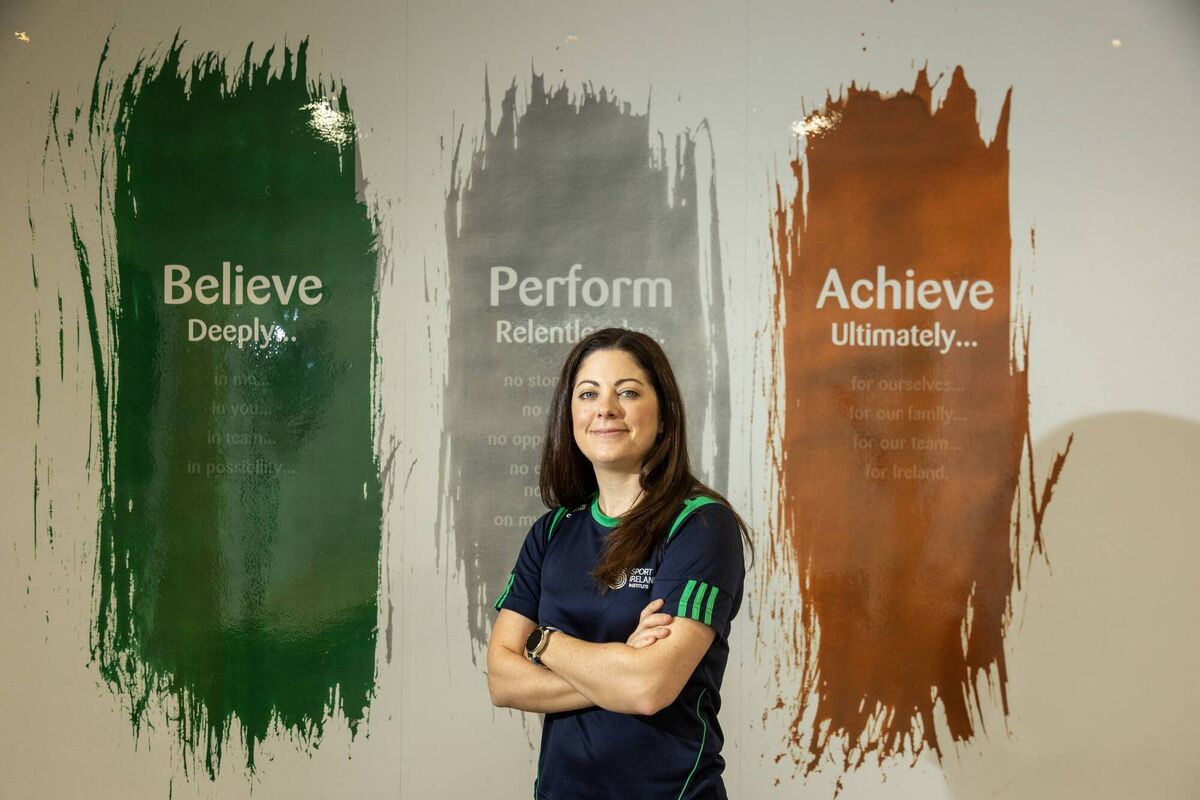
Irish Olympic physiotherapist Julianne Ryan. Photo: Evan Treacy

Time to recover

Julianne Ryan is a senior physiotherapist with the Sport Ireland Institute. Paris will be her third Olympic Games.

“The nerves are kicking in now and athletes are focussing more on how their bodies are performing and feeling,” she says. “I’m working with them and their coaches to help fine-tune their game, improve strength and conditioning and address any niggles or concerns they might have.”

She says there’s a lot that the average fitness enthusiast can learn from top athletes. “They make sure their bodies are ready for exercise by getting enough sleep and eating well.”

They also warm up before training. Ryan says this doesn’t necessarily mean stretching. “Gymnasts stretch to improve flexibility but sprinters need tension in their body to maximise their power output,” she says. “They are more likely to do explosive warm-ups like jumps to encourage quick-fire reactions from their muscles. We all need to do the right type of warm-up exercise for our individual sports.”

Cooling down after exercise is just as important as warming up. “This is where stretching helps everyone,” says Ryan.

While most of us don’t need to pay as much attention to footwear as athletes do, Ryan urges everyone to wear sports shoes that support their feet. “We all have different ankles and feet,” she says. “Some of us have flat feet while others have high arches. Our shoes need to fit accordingly. My advice is to try on a few different types of shoes until you find the ones that feel most comfortable. By taking care choosing your shoes, you’ll minimise soreness and risk of injury, allowing you to focus on improving your fitness.”

Top tip: Pace yourself. “People often make the mistake of fitting too much training into too little time, which makes it more likely that they will overload or strain their bodies,” says Ryan. “It’s vital to allow time for recovery after training.”
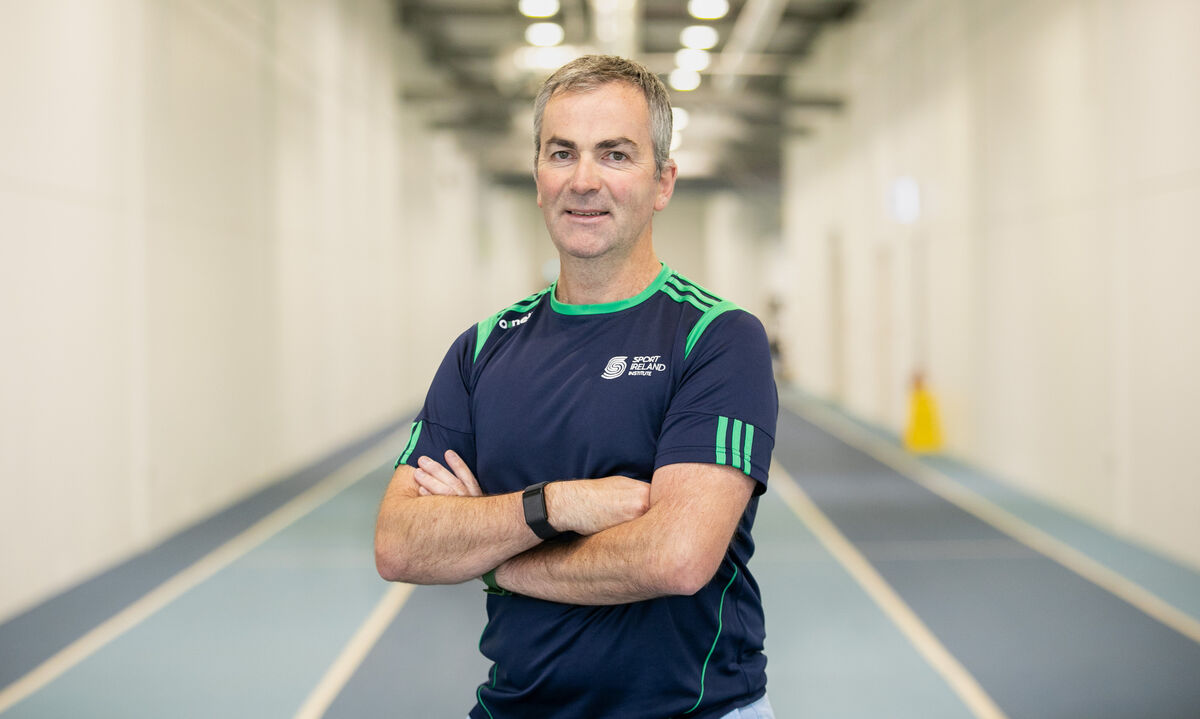
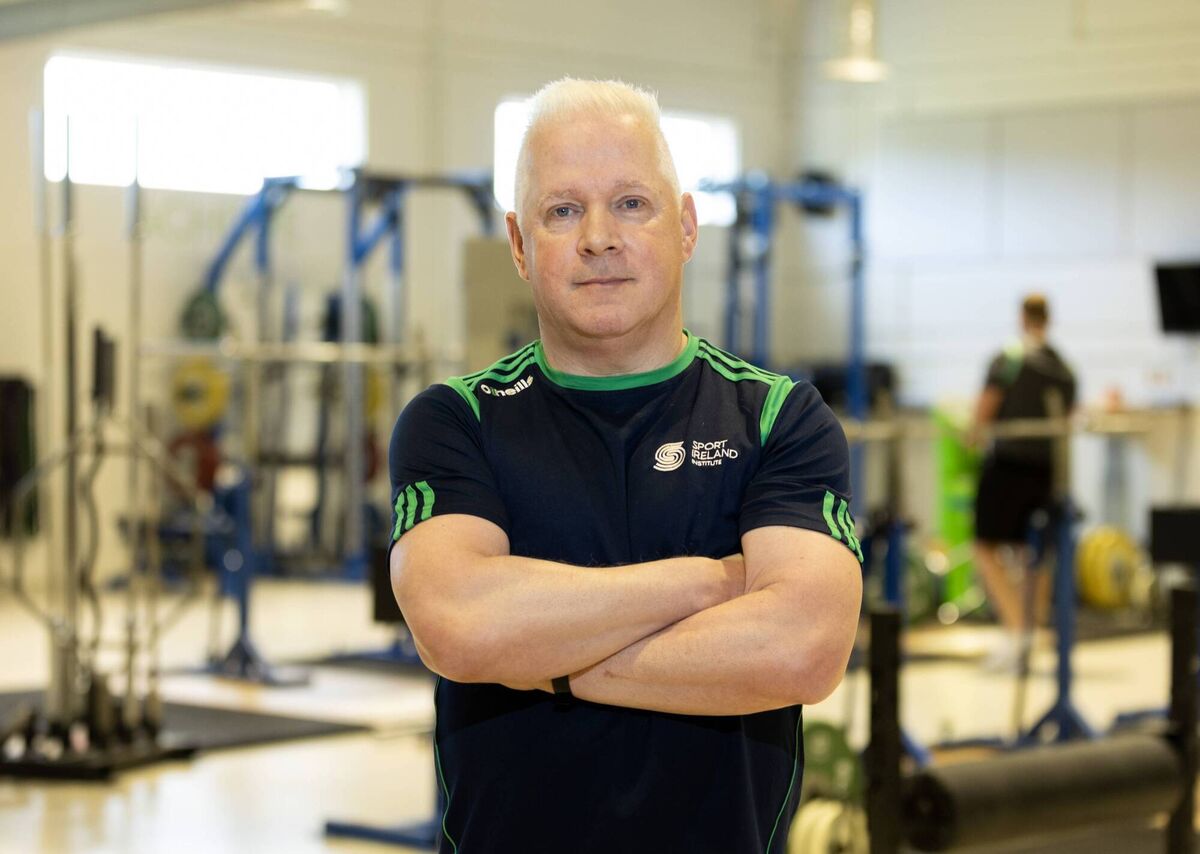
Psychologist Alan Swanton, Paris 2024 Olympics team. at the Sport Ireland Institute, Dublin. Photo: Gareth Chaney

Believe in ability

Performance analyst Alan Swanton tries to make athletes feel invincible. “Sport is largely won or lost in your head,” he says. “I see it as my job to facilitate coaches in making athletes believe they have the skills and abilities they need to win.”

He is currently working with the Irish boxers, which mainly involves assessing how they can get better results. “On game days, I take notes while they compete and watch videos of their performances, too,” he says. “I identify things that can be improved, feed those back to the coaches, and the coaches then choose two or three of those things to focus on depending on what the boxers need at that particular time.”

The secondary aspect of his role is compiling and archiving videos of the boxers’ potential opponents at the games. “Ten of our boxers have qualified for the Olympics and they will be up against 187 potential opponents,” he says. “We need footage of all of them to identify their strengths and weaknesses and develop a tactical plan that our boxers can follow to defeat them.”

He believes everyday sports enthusiasts could benefit from such an analytical approach. “While the athletes I work with take their opponents into consideration, their focus is on improving their skills,” he says. “They know it’s all about becoming a better version of themselves. We could all benefit from doing that instead of comparing ourselves with others.”

Top Tip: Identify the strengths needed to master your particular sport and work on improving each of those skills one by one. “My athletes come into training every day asking what they need to focus on that day,” says Swanton. “That’s how they get better over time. We could all do this.”
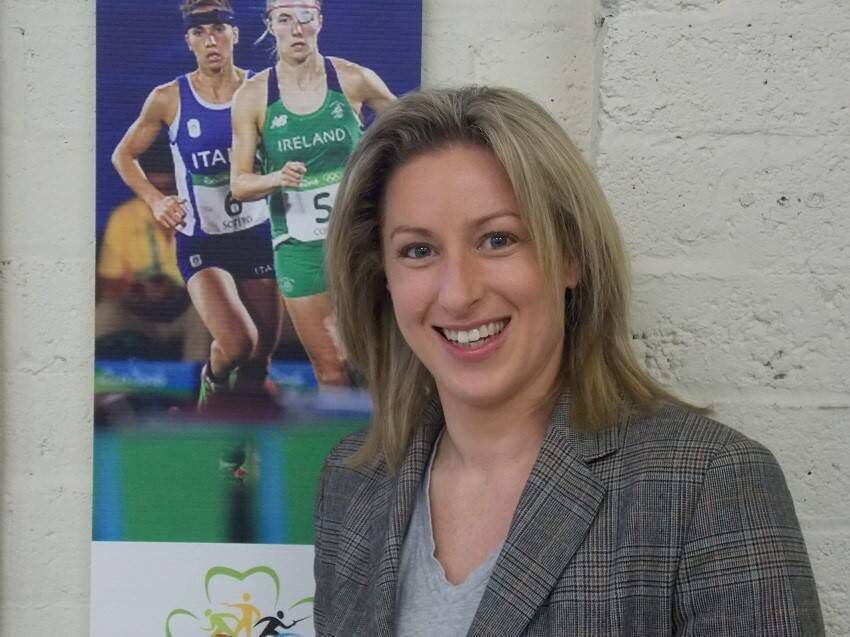
Martina McCarthy is the Sport Institute of Ireland’s senior strength and conditioning coach and a former professional athlete.

Just get started

Martina McCarthy is the Sport Institute of Ireland’s senior strength and conditioning coach and a former professional athlete.

“I competed in the 4x400m relay in the Sydney Olympics when I was 18,” she says. “Because of injury, I started coaching at an early age and Paris will be my sixth Olympics.”

In the run-up to Paris, she has been working with athletes to develop a plan to build the qualities that will allow them to excel at their chosen sport.

“Sprinters, for example, need to be powerful and strong while middle-distance runners have to be robust,” she says.

Her process starts with a strength diagnostics profile. “We bring the athletes in and test them across different measurements,” she says. “Then we look at those metrics, compare them with the standard that they need to reach, and decide on a training programme to help them reach those standards.”

She finds her previous experience as an athlete helpful.

“Athletes can have self-limiting beliefs about how useful advice like mine can be but I’ve seen for myself how each 1% improvement in performance can add up to really matter,” she says. “I’ve been where they are, so I can assure them that listening to their support team can make a real difference to the quality of their training and ultimately to their performance when it counts.”

McCarthy believes the athletes she works with can teach us valuable lessons about success. “There’s no magic formula to it,” she says.

“It’s consistently doing the work, even when you don’t feel like it. That’s what makes you better over time.”

Top tip: Don’t put off exercising. “People tell themselves that they will start exercising when they are feeling good or when the circumstances are right,” says McCarthy. “Don’t wait for everything to be perfect. Just start. That’s the first step towards success.”


x

Celebrating 25 years of health and wellbeing

More in this section

Lifestyle

Newsletter

The best food, health, entertainment and lifestyle content from the Irish Examiner, direct to your inbox.

Cookie Policy Privacy Policy Brand Safety FAQ Help Contact Us Terms and Conditions

© Examiner Echo Group Limited