Workplace Wellbeing: Break free from work emails and calls 

Summer holidays allow us to unwind and recharge, but only if we totally switch off from the office
Workplace Wellbeing: Break free from work emails and calls 

While most of us cherish every day of our annual leave, CSO figures from 2021 reveal that one in five Irish workers does not take their full allocation.

WE’RE about to enter peak holiday season. Thousands of people across Ireland are planning to spend time during July and August soaking up the sun on European beaches, staycationing at home, or simply taking a break from the daily grind of work.

While most of us cherish every day of our annual leave, CSO figures from 2021 reveal that one in five Irish workers does not take their full allocation.

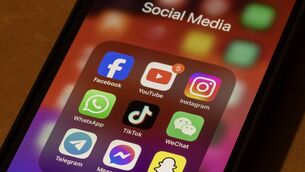
Also, some workers keep a close eye on what is happening in the office during their time off. A 2016 survey of 5,700 people carried out by AA Travel Insurance found that 20% of Irish adults read work emails while on holiday and another 13% admitted to making and taking work calls.

Allowing our professional lives to spill over into holiday time is a mistake, says clinical psychologist Dr Vincent McDarby.  “We need to be able to step away from the stresses and responsibilities of work so that we can unwind from the mental burden involved,” he says.

“Taking holidays allows us to function better. After holidays, we experience lower levels of depression and anxiety and enhanced levels of engagement and productivity and those of us who take regular holidays have fewer sick days overall.”

Studies prove this is so. Research from the International Foundation of Employee Benefit Plans showed that annual leave improved employee productivity by up to 40% and reduced the risk of sick leave by 28%. A 2013 report compiled by the American Sociological Association stated that holidays lead to a decline in psychological distress and lower the risk of depression, anxiety, and burnout.

Chartered psychologist and wellbeing researcher with the RCSI, Jolanta Burke, says holidays are essential for our mental health.

“The scientific literature suggests that taking regular holidays helps to prevent mental health issues by allowing us a chance to recover from the daily hassles of work,” she says. “While some stress isn’t necessarily bad for us, if it’s relentless and we don’t get a break from it, it can negatively impact our wellbeing. Holidays give us that much-needed break.”

Burke believes they also provide a fillip to our wellbeing. “Holidays make life more interesting,” she says. “They add psychological richness by giving us an increased opportunity to experience positive emotions and to gain more meaning from our lives.”

Clinical psychologist Vincent McDarby

Holiday benefits

Most of us know what it is like to return from holiday with a sense of renewed energy, fresh ideas, and a clearer perspective. However, we also know that such feelings tend to be short-lived. A 2010 German study found that these positive post-holiday effects tend to fade away within two weeks to a month.

Are there steps we can take to maximise the benefits of our holidays?

Burke recommends spending time planning for and looking forward to holidays. “Preparing for your holidays is almost as beneficial as the holidays themselves,” she says. “Anticipating the good time you’re going to have boosts your positive emotions and enhances wellbeing. So, allow yourself time to daydream. Studies show that your high levels of wellbeing are likely to continue for longer after your holidays if you do.”

She follows her own advice. “I always book holidays six months in advance and once a month or so, I take time to think and talk about what I plan to do on my holidays,” she says. “I get the whole family involved in the discussion about where we might go and what we might do. It gives us all a boost to think about it.”

She also advises being careful about the duration of your holiday and the likely weather. “A 2012 Finnish study found that the eighth day of your holiday is the day you experience peak relaxation so allow yourself at least eight days of holidays,” she says.

“And sunny places have been shown to accelerate the process of disconnecting from the stresses of work.”

McDarby, a chartered member of the Psychological Society of Ireland, suggests that we allow ourselves plenty of time to get our work tasks done before we shut up shop for the holidays. “People usually underestimate the time it will take to get all their work done and forget that other things are likely to come up too,” he says. “So factor in more time than you think to avoid putting yourself under last-minute pressure.”

When you finally finish your work, put your work devices away, says McDarby. “Emails especially can eat into our holidays and prevent us from fully detaching from work,” he says. “Set your devices aside while you’re on holiday.”

He recognises that some people, particularly the self-employed, may find it challenging to completely ignore their inboxes and has strategies to help with this.

“You could get someone else to monitor your inbox, with the understanding that they will contact you if needs be,” he says. “Or you could set up an out-of-office message, letting people know that you’re on holiday and are only to be contacted if it’s an emergency.”

Employers can make this easier for employees by introducing holiday email policies. “The Daimler car company has a great one,” says McDarby. “If anyone emails an employee while they are on holiday, they receive a response telling them that person is on holiday and their email has been deleted. They are urged to email again when the person returns from holiday or to email someone else. With a policy like this, employees never feel the temptation to check emails while they are away because they know their inbox is empty.”

Chartered psychologist and wellbeing researcher with the RCSI, Jolanta Burke

Complete break

It makes little difference what type of break you choose — far-flung adventure, Mediterranean beach, or quiet staycation — once it is a total work break.

“Some people’s ideal is to lie on the beach doing nothing while others prefer being active,” says McDarby. “It doesn’t matter which you prefer. As long as you succeed in detaching from work, you’ll come back from your holiday feeling good.”

Burke advises scheduling a free day before you return to work.

“The last day of holidays can be stressful what with travelling back home,” she says. “This can set you up badly for the work week ahead. Having a day to settle at home and to look back at the holiday, going through pictures and chatting about the wonderful experiences, is a great way of keeping the positive emotions going. That will set you up perfectly for going back to work.”

McDarby urges you to build on this even further by gradually easing yourself back into the work routine. “Lots of us make the mistake of scheduling a load of meetings for our first day or two back,” he says.

“But that’s stressful in itself. It’s far better to give yourself time and space to get up to speed by going through the mountain of emails that are likely to be waiting for you and attending to any tasks that require your immediate attention before getting back into the thick of it again.”

In today’s fast-paced and demanding work environment, it is never been more important to schedule regular breaks. “They make such a difference to our health and wellbeing,” says Burke. “And by making the most of them, they can enhance our working lives and enrich our lives in general.”

x

More in this section

Lifestyle

Newsletter

The best food, health, entertainment and lifestyle content from the Irish Examiner, direct to your inbox.

Cookie Policy Privacy Policy Brand Safety FAQ Help Contact Us Terms and Conditions

© Examiner Echo Group Limited