Lisa De Jong, period coach: ‘Menstrual health is much more complex than people think’
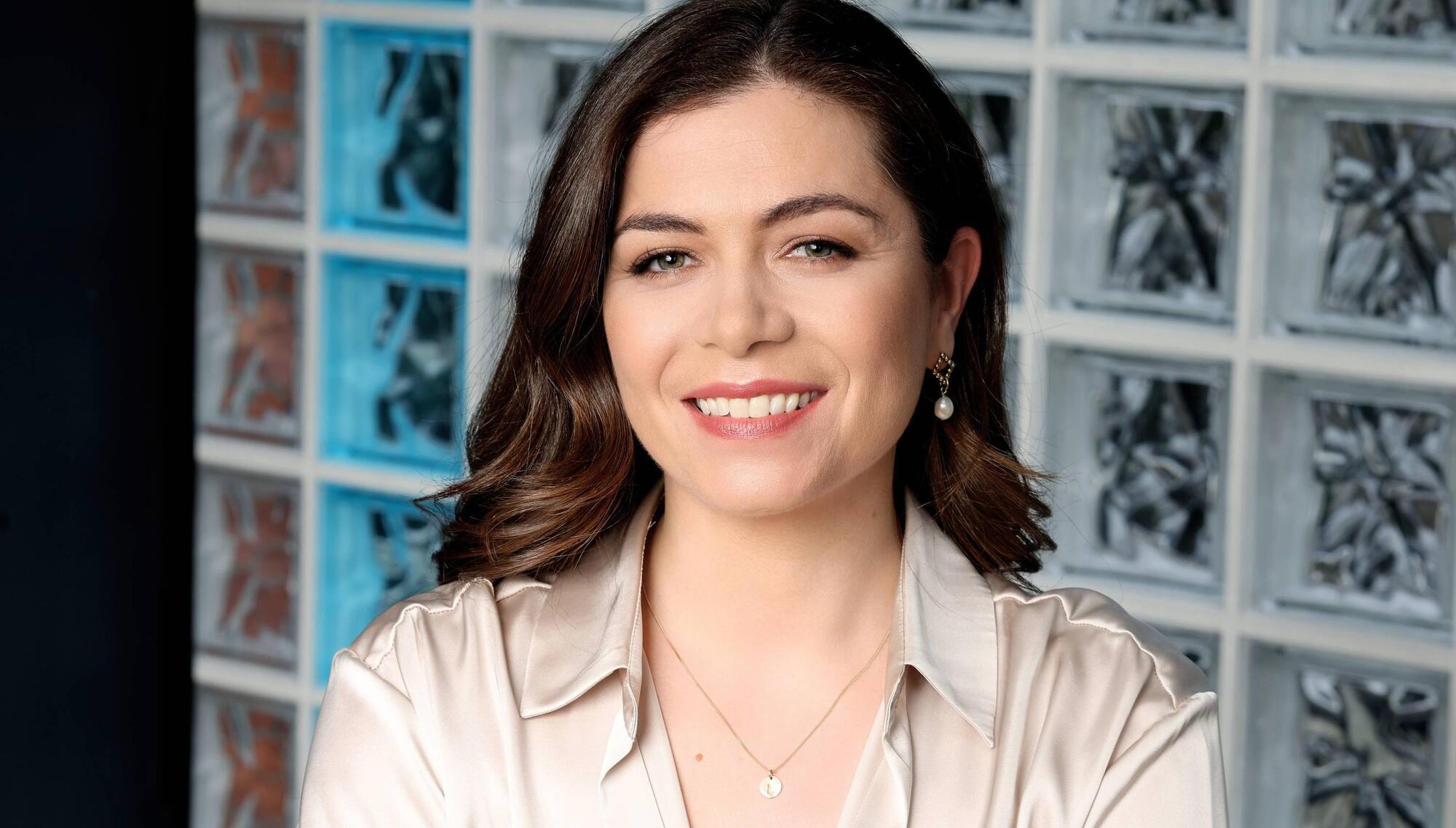
Lisa de Jong wanted to find a better way to deal with her own challenging menstrual cycle.
“I think the message we're told as girls is to just put up with things, that it’s just your period," explains women's health coach. Lisa De Jong. "But in my case, my pain was so bad that I was fainting in the bathroom. I just had to find another answer."
De Jong’s journey with her own cycle and her struggle to get the right help empowered her to seek other avenues. “I’d see the doctor when it was bad, but there was only so much they could help, so I began to learn about hormones, and read books on the topic. Then I trained with an organisation in the UK called Red School in 2017.
That was the first course I took in menstrual health coaching. I went on to do certification programs in physiology and the nervous system,” she explains.
“I realised a lot of my friends were in a similar situation. I was talking to my them about it, and what I’d learnt so I started a workshop in Dublin and it proved very popular.”
The stigma of a woman’s time of the month isn’t a new problem. A frequently cited menstrual stigma is as far back as Biblical references to women being “unclean” during menstruation. Discussions over having your period continued to reinforce shame throughout the 20th and 21st centuries with TV ads and school education portraying periods as something to be embarrassed about or to keep hidden.
“Menstrual health is much more complex that people might imagine”, points out De Jong. "It's linked to a lot of different parts of us; hormones, the nervous system, our emotional world, our relationships. As well as the stigma and the taboo that's out there, a lot of women didn't know how to seek help, or even realise they could. In the medical system as it exists, there are limited options in terms of explaining period pain or general PMS unless it’s linked to certain conditions ”
De Jong also points out that seeking advice from your doctor is always the first point of call.
“Some of the red flags I look out for in my work would be things like debilitating pain, or if women are fainting, have severe bleeding or having to call in sick to work because of their menstrual cycle. That would be an indicator that they'd probably need to get looked at by a doctor because it could be something like endometriosis or fibroids or an underlying condition.”
But if it's if it's general PMS, and period pain, there are things like diet or nutritional supplements that can be helpful.
“I take a supplement called Clean Marine (De Jong is a brand ambassador for CleanMarine PeriodPlan) which is really good because it has B vitamins, B 12, and Omega threes which are really good for helping my hormones, my energy, and consequently my diet. I also like to track my menstrual cycle. So knowing where I am and planning in advance, understanding the different energies around the cycle is important. For example, if I am going to be busy and it's that time in my cycle where I can be a little more vulnerable. I'll have it in my diary so I can protect my energy and plan around it.
Diet-wise, you don't need to make radical changes to the way you eat, but it's more about thinking about how you eat. So eating regularly and not skipping meals because it helps to balance your blood sugar levels. It's also good to have a balance between healthy fats, proteins and carbs in as many meals as possible. The healthy fat helps to balance blood sugar levels and when we have more balanced blood sugar levels, our hormones tend to be more stable.
It's a good way think about diet, in terms of hormonal health.” De Jong says she likes to explain to her clients that the menstrual cycle has four different phases "When you're on your period, it's like you're in the winter phase of your cycle.
After your period, you come into the spring phase. Then it's ovulation. That's when Estrogen is at its highest. That's the summer of your cycle. In in the premenstrual phase, that's like the autumn phase. Similar to the seasons of the year, our energy will ebb and flow in the same way that nature's energy ebbs and flows as well.
So if you are in that winter or autumn phase, it's normal to feel like you want to cosy up and be autumnal in yourself. Thinking of it like this really helps us to manage and protect our energy."
CONNECT WITH US TODAY



Be the first to know the latest news and updates