'It felt like my fertility was draining away': How the 'pandemic skip' is impacting women
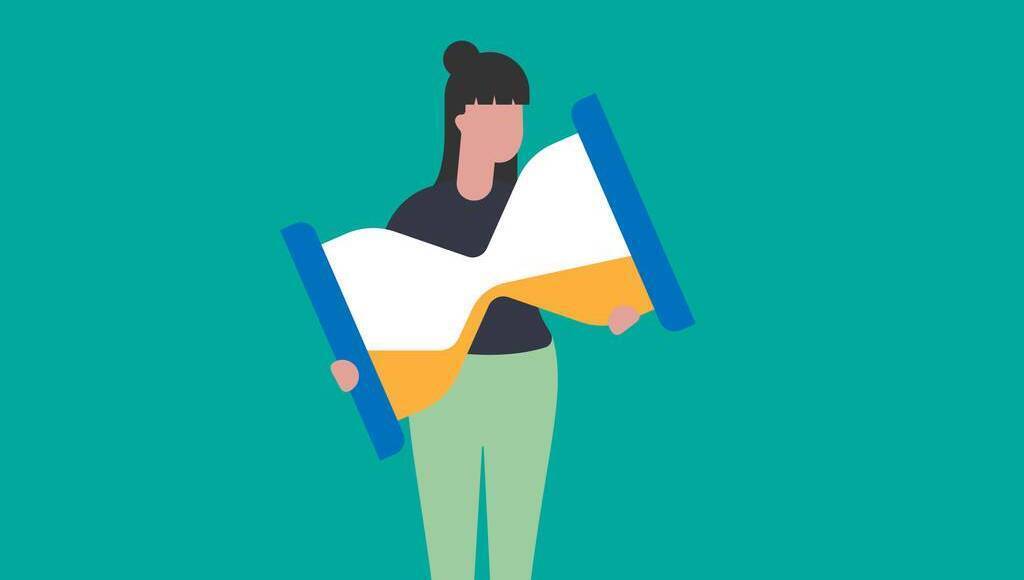
'Mentally and emotionally, we had barely moved. Our bodies had aged three years, our chronology had marched on, while our psyches remained stuck in the lift.'

You know that feeling when you’re in a lift that imperceptibly shoots skyward so that your stomach feels like it’s still on the ground 30 floors down as the doors glide open? For lots of us, that’s what the pandemic felt like — three years whooshed past, while we remained unmoving. When the doors of our lives finally reopened, we were three years older — physically.
Mentally and emotionally, we had barely moved. Our bodies had aged three years, our chronology — birthdays during the years 2020, 2021, 2022 — had marched on, while our psyches remained stuck in the lift.
This feeling has been called ‘pandemic skip,’ coined by New York journalist Katy Schneider, who described it as “the strange sensation that our bodies might be a step out of sync with our minds”. We have all experienced it to some degree. This is not, however, about those who were more directly affected by covid, which involves a whole other set of feelings; loss, grief, trauma, bereavement, and perhaps ongoing struggles with long-covid. No, this is about the rest of us, and how living for so long in suspended animation has left us all a bit discombobulated.
And while the pandemic skip is a collective experience, affecting everyone from babies to oldies, some demographics felt it more keenly than others.
Perhaps the ones who got off most lightly were those of us whose kids were older, and for whom the time/ fertility balancing act was no longer an issue. The ones who weren’t trying to home-educate small children or manage house-bound teens, while working from home yourself and trying to remain on good terms with everyone; or the younger women who wanted to travel, have adventures, live their lives, work their jobs, have their fun, before the dreaded fertility bell starts ringing. For these women, time really telescoped.
“I was 31 when it started,” says Jenny. “And I’d just left a long-term relationship. All through lockdown, all I could think about was how my baby-making time was narrowing. It was horrible. Worrying about not having time to meet someone, worrying about whether I could do it on my own, it felt like my fertility was draining away and it made me feel really helpless and anxious.
"Medical terms such as ‘geriatric primigravida’ [women aged 35 and above who give birth for the first time] kept me awake at night.”
Babies born during the pandemic experienced their own kind of skip in social and linguistic development. While pandemic parents did their best, pandemic babies fell behind in learning words and expressing curiosity about their surroundings (perfectly understandable, given how they were indoors with the same people all the time — there wasn’t a lot to be curious about).
The good news is that babies and small children are the ones who can most easily catch up. What about teens, also going through tumultuous changes in brain chemistry that elevates the importance of their peer group above all others, yet were stuck indoors with the fam during this crucial developmental period?

“A nightmare,” says Michelle, a 45-year-old secondary school teacher. “So many of them were so damaged by their isolation. They went feral. It took ages to reintegrate. I really felt for them.” A therapist friend tells me of the worry experienced by so many of her adult clients about their teens and young adult children, and how her younger clients told her of their anxiety about rejoining the world after years of stasis. “It’s not like straightforward hibernation,” she says. “It was such a period of uncertainty for everyone because nobody knew how long it would last, or if it would get worse.
"When you’re navigating that kind of fear and anxiety, it’s hard to focus on anything else, especially for those already prone to social anxiety.”
I remember my industrious, task-oriented daughter, who was 20 when it began, pacing the house, before falling headlong into her phone for months on end. Back at work afterward, she described how her young colleagues were so hamstrung by social isolation and anxiety that they had to return to work literally an hour at a time.
Freaking out inside their heads about being out and about again, having to do normal interactions after a significant chunk of their young lives were spent indoors on screens. Her workplace — a small mental health organisation dedicated to young people — was sympathetic, but lots of employers, for a variety of reasons, were not.
“For a lot of teens, they really suffered,” she says. “Not just the ones in difficult home situations, but so many just forgot how to make eye contact, how to be in a room with other people.”
“I’ve seen so many people who have experienced the feeling of being out of alignment with their lives,” says psychotherapist Philippa Vafadari. “There’s been a lot of focus on teens, because of the developmental interruption they experienced at such a pivotal life stage, but also a lot of older people suffered. Every day particularly counts in later life.
“And also, I saw so many creative people who were blocked — all that time to write, to make art and music, and they could barely manage to make a sandwich. It’s like we were all holding our breath, because none of us knew how long it would last, and that kind of uncertainty overrides normal functioning and blocks creativity. People were in freefall.”
Fifty-somethings, on the other hand, got off lightly. Tania, 53, happily lives alone and doesn’t have children. She turned 50 during the first lockdown — her plans to celebrate a milestone birthday in style didn’t happen. “That’s as bad as it got,” she says. “A feeling of watching my 50th birthday sail past, knowing it wasn’t ever coming back. Then my friends turned up in a kind of socially distanced conga outside my house, all dressed up in the middle of the day, and we went to the park and had socially distanced cake. It was a lot of fun and very meaningful, even though we were freezing.”
Her friend Annie turned 60 during lockdown, and had a huge party on her 62nd birthday, to commemorate the big skipped one. “Two years doesn’t make a huge difference,” she says.
“The main thing was getting my family and friends together. We pretended it was 2021, rather than 2023.”
The pandemic feels like a long time ago now, even though it’s only been four years since March 2020. Mostly we have readjusted and slotted back into our lives, perhaps with a shift in perspective, perhaps more of a focus on what makes us happy. Or maybe we are back at full tilt like it never happened.
Some of us took things from the pandemic that improved our lives in unexpected ways — a new love of sea swimming, a renewed connection with nature and the outdoors whatever the weather, a flat refusal to wear non-stretchy clothes or uncomfortable shoes ever again. Perhaps you retired your bra, took up hillwalking, became a better cook, got a dog, left a dead relationship. Made the most of a strange, uncertain situation, and grew through it — even if traditional chronological alignment didn’t quite happen.
For those of us still with a vague sense of pandemic skip, acceptance is the only way through. Acceptance, adjustment, and going forward, one foot in front of the other. It helps to know that we have all experienced it, in our own unique ways.

Subscribe to access all of the Irish Examiner.
Try unlimited access from only €1.50 a week
Already a subscriber? Sign in
CONNECT WITH US TODAY
Be the first to know the latest news and updates