Fitness for all ages: A little effort brings a lot of freedom
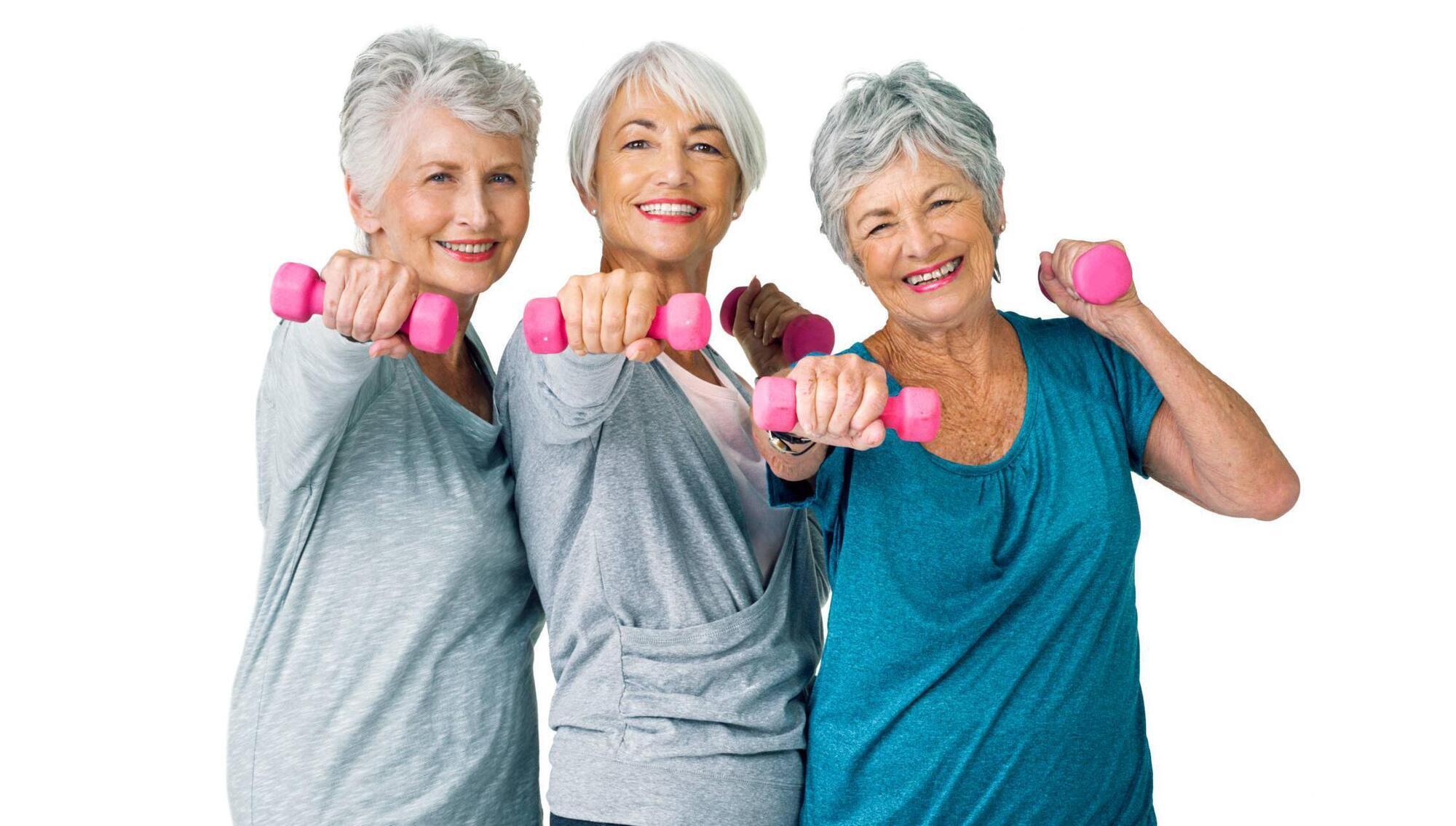
When you exercise correctly, it benefits your body and your mind.
Fitness is vital. But not everyone of pension age has the means for private gym memberships.
That’s where active retirement organisations come in. Francisca Montagut Monzo is chairperson of Fermoy and District Active Retirement.
Of the activities provided to members she says: “There’s kurling and outings and dance classes. Also, chair yoga, as most of our membership would be unable to get down on the floor.”
Feedback from class participants is positive.
“They tell us that by exercising, they’re getting their mobility back. They say they’re moving, instead of sitting down and not moving at all. Also, they’re feeling the mental health benefits of getting out in the fresh air. They tell us it’s a reason to get up in the morning, something to look forward to. After the class, some go for coffee together. So they’re getting fit, physically and mentally and doing a bit of socialising as well."
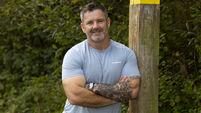
At David Sisk Fitness, the founder encourages everyone in their 60s to do personal training.
“That way, they continue to maintain and build muscle, strength, mobility, flexibility and a positive mental state.
“By training correctly, the brain builds as well. That’s because new tasks, a range of tasks and problem-solving when moving the body, all contribute to good brain function.”
As for how much exercise a pensioner should do, he says: “Personally, I'm nearly 52, so pension age is not too far away. I train six days per week. Resistance training, ranging between high intensity and medium, and between 25 minutes and two hours per session.” He points out that he does this despite having had all kinds of ‘living life’ injuries and operations over the years.
“My point here is not ‘Aren't I great?’, but that people can do a lot more than they think they can.”
Sisk says medics are ‘slowly coming around to the fact’ that people, regardless of age, should do resistance training, rather than just going for a walk.
“We need to keep moving and challenging the body,” he says. “For both women and men, bone density is an issue. Putting the body under stress through resistance, strengthens bones and muscles.
On average, our pensioners do two to three personal 30-minute to 60-minute training sessions per week that combine flexibility, mobility and strength training. We then ask them to do at least three 20-minute to 30-minute walks per week.”
Sisk doesn’t encourage road-running saying that this has a high joint impact.
Stressing the need to listen to your body, he says this holds true particularly when you are training alone: “During a session, trained professionals program for a person's needs, abilities, capabilities and goals. They can adjust those programs on the spot, as they can see the feedback a person's body is giving them.
“When someone is training alone, they really need to pay attention to how they are feeling during and after a session. They need to pay attention to their technique, because so many people injure themselves when training alone.
“If you are overly sore, if you feel dizzy, or very, very tired after a session you know you're doing too much.”
Celebrating 25 years of health and wellbeing