The vagus nerve: Would a cold plunge help relax and reset you?
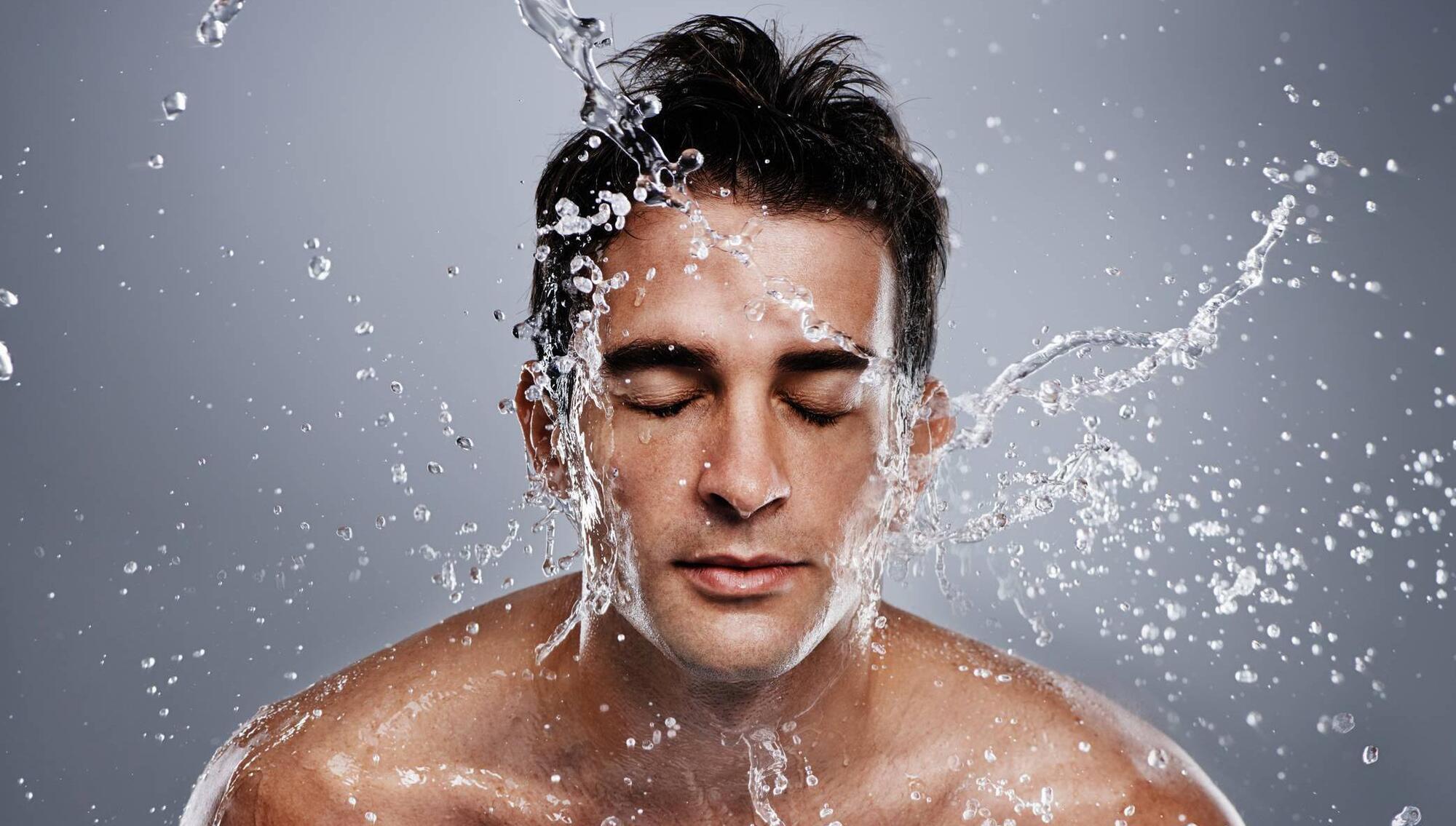
Believed to stimulate the influential vagus nerve, cold-water face immersion is trending on social media as a way to relax and reset your body. Experts separate the hype from the truth
The vagus nerve: Would a cold plunge help relax and reset you?

Pic: iStock
It’s not surprising that my first response to plunging my face into a bowl of ice-cold water is panic. What is surprising, however, is how quickly that initial sense of shock fades away.

Within two to three seconds, I am acutely aware of my body. I feel the tingling of my skin. I hear the slowing thud, thud, thud of my heartbeat. Thirty seconds later, when I lift my face from its ice bath and gasp for air, I am much calmer than I was pre-dunking.

It was TikTok that convinced me to take that plunge. Cold-water face immersion is trending on the social media platform because it is said to stimulate the vagus nerve, which is all the rage online. On TikTok alone, posts with the vagus nerve hashtag have been viewed more than 130m times.

Many of these posts rave about the nerve’s potential to relax and reset our bodies and demonstrate techniques supposed to help it do so. Other posts make even more health claims, suggesting that vagus nerve stimulation (VNS) can help alleviate everything from headaches and back pain to anxiety and chronic illnesses.

It isn’t just a social media phenomenon. Wellness companies are cashing in on this growing interest in the nerve by offering products such as vagus nerve stimulating earbuds for up to €500, handheld nerve stimulators for €300, and vagus nerve massage oil for €20.

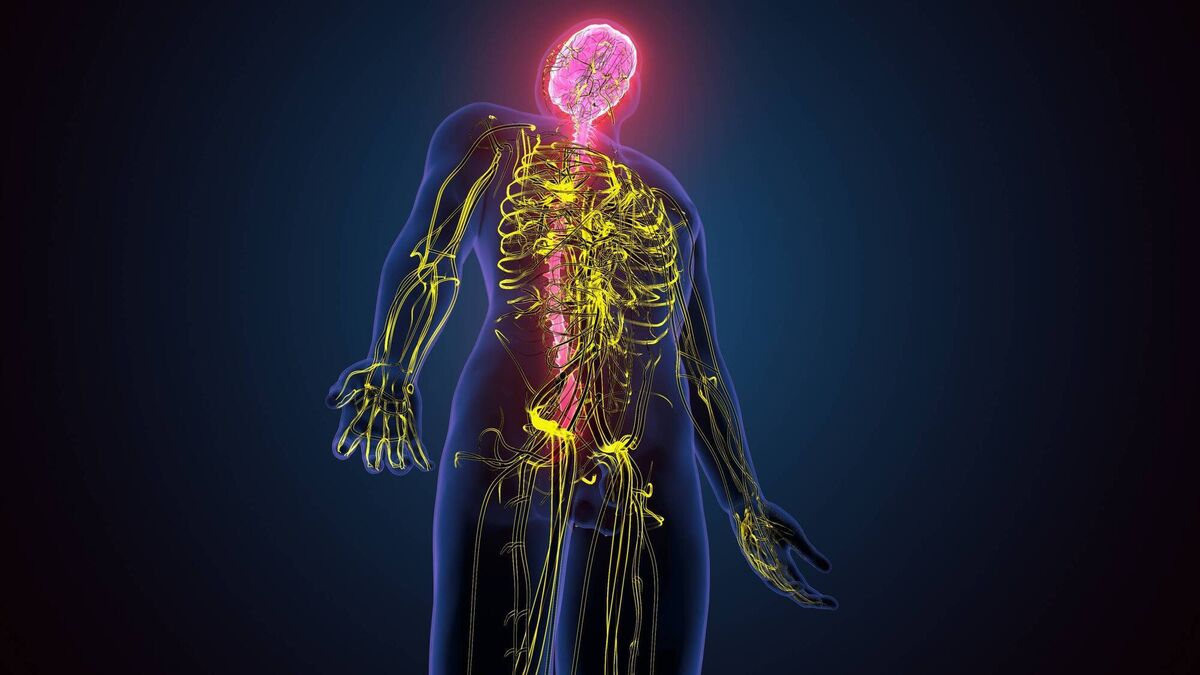
So, what exactly is the vagus nerve? Dr Kevin J Tracey is a molecular medicine and neurosurgery professor and president of the Feinstein Institutes for Medical Research in New York. He explains that we have not one but two vagus nerves, one on the right side of the body, and the other on the left.

“It’s a paired structure that runs from the bottom of the brain down behind our ears and into the torso,” he says. “The reason it’s been such an endless source of fascination for doctors and scientists is that it touches every internal organ in the body and carries information back and forth between these organs and the brain, helping to regulate their function.”

Destin Shortell is a doctoral candidate in the Department of Clinical and Health Psychology in Florida and a co-author of the upcoming book Vagus Nerve Stimulation. She compares the vagus nerve to an information superhighway.

Information superhighway

“It’s a collection of fibres that sends information in and out of the base of the brain,” she says.

“That flow of information then impacts many systems within the body including chemical messaging in the brain, the immune system response, metabolic functions, and the body’s stress system.”

This means that the vagus nerve is one of the most influential nerves in our body. It plays a role in food digestion, moderating our heartbeat, controlling our voice, and so much more.

Dr Helena Dolphin, a geriatric medicine specialist registrar at Tallaght University Hospital with a particular interest in the vagus nerve, explains how it affects our stress levels.

“The autonomic nervous system controls our organs and it’s functionally divided into the sympathetic and parasympathetic,” she says.

The sympathetic is essentially our fight-or-flight response. “It’s activated when we encounter a threat,” says Dolphin.

“Our brain focuses on one thing: Survival. It pumps blood to our muscles and makes our heart rate and blood pressure go up so we can escape to safety.”

The parasympathetic can be summarised as rest and digest. “Our heart rate goes down, our body calms and it’s able to attend to tasks such as digesting food,” says Dolphin.

“The vagus nerve is crucial in activating the parasympathetic nervous system.”

That ability to restore calm in our bodies may be why VNS is so popular with stressed-out social media users. There are other reasons why it’s become a focus of interest for researchers.

One is its effect on those with treatment-resistant epilepsy. A 2019 Vanderbilt University study found that after two years of VNS, approximately 50% of patients experienced at least 50% reduced seizure frequency.

Two is its impact on treatment-resistant depression. VNS implants have been approved to treat this condition in the US since 2005 and a paper published in the American Journal of Psychiatry in 2017 showed that those who had the implants had significantly better outcomes five years later than those who didn’t.

There is also the potential that VNS may have to alleviate other conditions, such as diabetes, PTSD, and even long covid.

Pic: iStock
Pic: iStock

Harnessing potential of the nerve

Tracey has spent 25 years studying the impact of VNS on inflammatory diseases. “Our trials have proven that VNS can turn off inflammation in the body and by implanting VNS chips, we have been able to give people with rheumatoid arthritis and Crohn’s symptomatic relief,” he says.

A medical company is now developing a device based on these findings and Tracey is confident that it will soon become a viable treatment option for Crohn’s and rheumatoid arthritis. “We’re optimistic that it should also help treat a lot of other conditions that are caused or made worse by inflammation,” he says.

Dolphin is also carrying out research into the vagus nerve. “It’s looking at people who have a diagnosis of mild cognitive impairment,” she says. “Currently, we know that a certain proportion of them get better while others remain stable or deteriorate and develop dementia. What we don’t know is why.”

Previous studies have shown that VNS improves memory in 20-year-old college students. “But no studies have been carried out in those who already have memory impairment,” says Dolphin. “Our study will test whether VNS can slow or even reverse memory impairment in this demographic.”

The study is only in its pilot stage, but preliminary findings are promising. “During stimulation, our first 22 participants showed improvements in spatial navigation and associative memory,” says Dolphin. “We don’t yet know if that’s a lasting improvement, but it is exciting.”

Because of the critical role the vagus nerve plays in moderating our stress levels and overall health and wellbeing, it’s no wonder so many are trying to harness its potential at home. Shortell believes there may be a scientific basis for some of their techniques.

“There is evidence to suggest you can engage your vagus nerve by diaphragmatic breathing, which involves expanding your stomach like a balloon on inhales, and breathing practices with elongated exhalation,” she says.

“These likely work best for stress when done regularly because engaging with breathing techniques once will not cure the source of the stress but regular engagement may encourage your parasympathetic system to cope better with the stress physiologically. However, more research is needed.”

Tracey urges caution. “Generic recommendations may work in some people, but everyone’s physiology is different,” he says. “It wouldn’t be wise to suggest everyone take ice baths or hold their breaths.”

Dolphin advises adopting a healthy sense of scepticism to online health claims. “There’s a lot of snake oil being peddled out there and TikTok isn’t known as a great scientific platform,” she says.

“VNS is being suggested as a treatment for every condition under the sun at the moment but let’s wait until it undergoes scientific scrutiny.”

In the meantime, my unscientific experiment with cold water immersion may not have had any effect on my vagus nerve. But I can report that I feel less anxious in the hours afterwards and my skin is glowing. So much so that I’ve decided to make it part of my daily routine.

Fact file

  • The vagus nerve is the longest in the body and comprises approximately 80,000 fibres on each side of your body. That’s 160,000 channels sending information from your brain to your organs and back again.
  • The nerve plays a role in breathing, cardiovascular activity and digestion.
  • It’s involved in metabolism, transmitting information about the levels of fats, glucose, insulin, the hunger-regulating hormone leptin, and other molecules from the gut and liver to the brainstem. When the brainstem detects changes in those levels, the vagus nerve signals the organ to maintain homeostasis by creating more glucose, secreting more insulin or increasing gut motility.
  • The vagus nerve projects from the brainstem to the palate, upper oesophagus and larynx, which means it’s crucial for branchial motor control, the gag reflex, and swallowing.
  • Vagus nerve stimulation involves sending regular mild pulses of electrical energy to the brain via the vagus nerve through a device similar to a pacemaker. It is already being used to help those with treatment-resistant epilepsy and depression.
  • Studies now show vagus nerve stimulation can reduce inflammation in the body and trials are ongoing to develop a device that will allow for this discovery to help those with inflammatory conditions such as rheumatoid arthritis and Crohn’s disease.
  • Research is currently being carried out into its ability to affect cognition, including attention, memory, executive functioning, and language learning.

More in this section

Lifestyle

Newsletter

Eat better, live well and stay inspired with the Irish Examiner’s food, health, entertainment, travel and lifestyle coverage. Delivered to your inbox every Friday morning.

Cookie Policy Privacy Policy Brand Safety FAQ Help Contact Us Terms and Conditions

© Examiner Echo Group Limited