On the double: A new binge-drinking paradigm - and the new risks
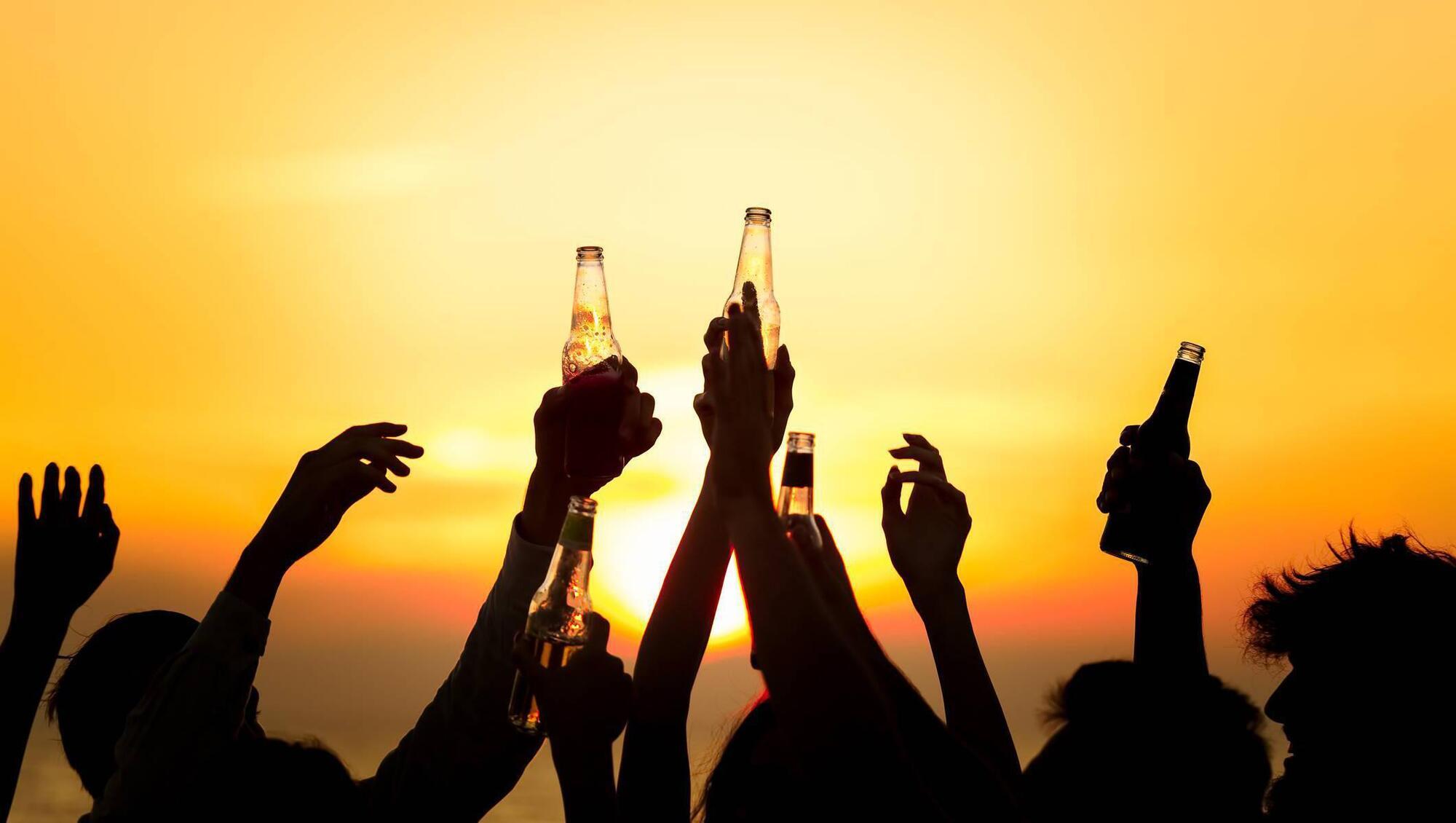
Young people may be drinking less frequently than they did in the past but when they do, the volume is higher, putting them at greater risk, writes Helen O'Callaghan 
On the double: A new binge-drinking paradigm - and the new risks

Pic: iStock


News about adolescent binge drinking in the West of Ireland made alarming headlines last month. More than one-third of 15- and 16-year-olds have had at least one episode of binge drinking, according to researchers who analysed data from 4,473 Galway, Mayo, and Roscommon adolescents.

The teens had participated in a Planet Youth 2000 survey — and binge drinking was defined as consuming five or more drinks in a two-hour period or less at any time in the past.

Binge drinking is not, of course, just a feature of adolescence. Data from the Health Research Board (HRB) for 2019-2020 found 56% of drinkers aged 15 to 24 years binge drink monthly. And 46% of 25- to 34-year-olds do.

Alcohol Forum Ireland CEO Paula Leonard says the pandemic hugely impacted drinking patterns globally, with research indicating more hazardous drinking patterns. 

“People drink on fewer occasions but they drink more harmfully when they are drinking. More than half of people who drink in Ireland are hazardous drinkers,” she says, adding that 75% of all alcohol consumed in Ireland is drunk in a binge — and two in every five drinkers report binge drinking on a monthly basis.

Yet, Leonard says, research also finds fewer young people are drinking on fewer occasions — but when they are consuming alcohol they’re doing so in more significant amounts. 

HRB stats bear out this duality. Young people are starting to drink alcohol at a later age — average age of first use increased from 15.6 years in 2002 to 16.6 years in 2019 — yet problem drinking remains majorly problematic among 15- to 24-year-olds.

And while more young people now abstain from alcohol (rising from 11% in 2002 to 26% in 2019), one in three drinkers aged 15-24 has an alcohol use disorder. 

And despite a decrease in binge drinking prevalence, adolescents in Ireland rank seventh out of 35 European countries for reports of being drunk.

Pic: iStock
Pic: iStock

Shots, gin, and wine cultures

Anecdotal reports illustrate this. A friend at a recent wedding, where guests were predominantly younger, observed: “There was a queue at the bar for pints and gin and tonics, while trays crammed with shots were being carried outside. The mood was high and with each round, voices got louder.

“Hardly anyone was on the hotel dancefloor though the DJ was doing his best, playing a string of 80s and 90s hits. The bar closed at 12.30am but within minutes the room emptied and the party continued at the residents’ lounge on the next floor.” 

Her impression was that young people are drinking more than before with shots or chasers now part of the culture.

Alcohol Action Ireland (AAI) CEO Dr Sheila Gilheany says there has been an increase in the “idea” of cocktails and shots. 

“It is a thing now, which you wouldn’t have seen 10-15 years ago — cocktails would have been more unusual then, whereas now bars have extensive cocktail menus.” 

Yet, she says, there is no Irish survey pointing to increased use of cocktails or shots. The HRB, for example, doesn’t have data in this area, though alcohol sales data from Revenue shows that spirit sales have increased here — over 10 years sales grew from 19.8% of the alcohol market to 23.4% in 2022.

“The volume of spirits consumed increased by 34% between 2013 and 2022 per capita of drinkers,” says Gilheany.

Vice president of welfare at Union of Students Ireland Sarah Behan says there is a shots culture that targets young people.

 “A lot of student bars target young people. Price is the big point, where they do deals — three shots for €10, or multiple shots for a certain amount of people. Shots are more of a group thing; people do it with friends, it’s not a solo thing.”

She says many students, on the same drinking occasion, drink shots as well as other alcohol. “People don’t acknowledge that a shot is a unit of alcohol — they’re consuming more than they realise.”

The West of Ireland Planet Youth study found the odds of ever binge drinking were approximately 50% lower for participants who reported their parents would be “against” or “totally against” their becoming drunk, compared to those whose parents would be “a bit against it” or “would not care”.

And adolescents who reported they “sometimes”, “often”, or “almost always” get their alcohol from their parents had approximately 1.8 times higher odds of ever binge drinking, compared to those who never or rarely did so.

The impact of parental influence on young people’s drinking doesn’t surprise Leonard. She says while cocktails feature heavily in alcohol advertising — and there has been “a rise in gin and cocktail culture” — we need to look at what is “going on silently behind this”. And that, she says, is the normalisation of wine consumption at home.

“The biggest growth in alcohol consumption in Ireland since 1989 is wine... Wine-drinking has become very normalised — we have wine at dinner, wine o’clock, wine at the book club.”

She points also to the significant change from pub-based to home-based drinking. “Yet home isn’t a regulated environment. And you’re not drinking pub measures. People are often not aware of how much alcohol they’re consuming.”

What it means, she says, is that young people are being exposed to a drinking culture in the home in a very normalised way.

Pic: iStock
Pic: iStock

The alcohol industry

Behan says third-level students — in particular those whose in-person contact was reduced during the pandemic — are relying on alcohol to make themselves feel more at ease in social situations. 

“When you’ve got people all coming together who don’t know each other, alcohol can be seen as a release. Incoming students who don’t know many people do rely on substances to get them out there. And this reliance as a coping mechanism is a concern.”

Leonard says if you ask young people why they drink, they’ll say because all their peers are doing it, or they’re drinking to fit in, or because of insecurity/anxiety. 

“They’re also drinking to get drunk.” She points to the “very high stakes” for young people consuming alcohol and says awareness-building needs to happen that alcohol is a neurotoxin.

“If you look at all the organs of the body, the last to develop is the brain. It doesn’t develop fully until you’re 25. 

So alcohol shouldn’t be consumed until the brain’s fully developed — because alcohol interrupts, disrupts, and derails important stages of brain development.” 

And the earlier you drink, the greater risk you have of becoming addicted. “If you start drinking at 15 years, you’re four times more likely to end up with alcohol dependency than if you wait until you’re 21.”

There are other risks too. “Alcohol is a factor in one in three incidences of self-harm — and in one in two completed suicides in Ireland.”

Meanwhile, alcohol is marketed as normal and desirable and, for young people, as something that makes them seem older, more attractive. “And young people are heavily influenced by marketing,” says Leonard.

Co-ordinator of HSE Drug and Alcohol services in Cork/Kerry David Lane says marketing is a huge driver in how people of all ages drink. “The alcohol industry spends hundreds of millions of euro marketing their products and targeting particular audiences with the sale of different brands/types of alcohol.

“Their objective is selling the product and making money. And they’re very clever in tapping into a willing market.”

In 2015, AAI commissioned a survey of almost 700 schoolchildren aged 13-17 years. Most (91%) reported being exposed to alcohol advertising in the week prior to the study. 

Almost eight in 10 were exposed to alcohol marketing on social media, while six in 10 reported owning alcohol-branded merchandise. 

The study found increased exposure to alcohol advertisements and marketing, particularly in the form of owning alcohol-branded merchandise, resulted in greater risk of children engaging in drinking alcohol, binge drinking, and drunkenness.

The recent Planet Youth study also found odds of ever binge drinking were higher for those who reported participating in team/club sports. 

They were 1.3 times higher for young people who did team/club sports one to four times weekly — and 1.5 times higher for those who did so five or more times a week. This was in comparison to participants who reported no team/club sport participation.

On the surface, it was a surprising finding, says Gilheany — you would expect involvement in sport to be a protective factor against alcohol consumption. “But it doesn’t surprise me because of the link between alcohol and sport in Ireland.”

She says it is important to decouple alcohol from sport. “The drinks industry loves to tell us we’re drinking less. Zero-free alcohol makes up 1.5% of the total alcohol market, yet there’s a lot of advertising for it. AAI would contend that advertising of zero-free alcohol is a way of getting around the restrictions on alcohol advertising.

“You see it on billboards, public transport — and in the sporting field. The branding used is identical, and the 0.0 is a small watered-down element.”

Leonard says not enough thought is given to supporting young people — through childhood, adolescence and into their 20s — to have an alcohol-free life. 

“For me, it’s not preachy. It’s not the ‘nanny State’. It’s about protecting the rights of the child, the right to health and to grow up in an alcohol-free childhood.”

Concern about Sale of Alcohol Bill

Paula Leonard of Alcohol Forum Ireland says there’s big concern that the Sale of Alcohol Bill – published last October – will liberalise existing protections against exposing children to alcohol.

In its current form, the proposed legislation increases the hours children can be in a bar – and it removes the 15-years age requirement for a child to be at a private function – when alcohol is being sold.

“This means, at the likes of a christening or Communion party – where a private function room has been hired – a child of any age can stay until any time. You could have babies or toddlers, where their parent is drinking, on a licensed premises until 2.30am.” 

David Lane, coordinator of HSE Drug and Alcohol services in Cork/Kerry, says we need a legal age requirement for children attending large-scale underage events on premises with a nightclub license.

“Currently, there’s no age limit in the existing or proposed legislation, which de-facto means children of any age can attend these large-scale events, some of which are [frequented] by thousands of young people.” 

He says the Bill doesn’t stipulate a legal age for alcohol consumption, just a legal age for sale and supply to minors. “Many countries are now moving to a legal age for both consumption and sale.”

x

More in this section

Lifestyle

Newsletter

The best food, health, entertainment and lifestyle content from the Irish Examiner, direct to your inbox.

Cookie Policy Privacy Policy Brand Safety FAQ Help Contact Us Terms and Conditions

© Examiner Echo Group Limited