What are false memories, and how can you stop them?
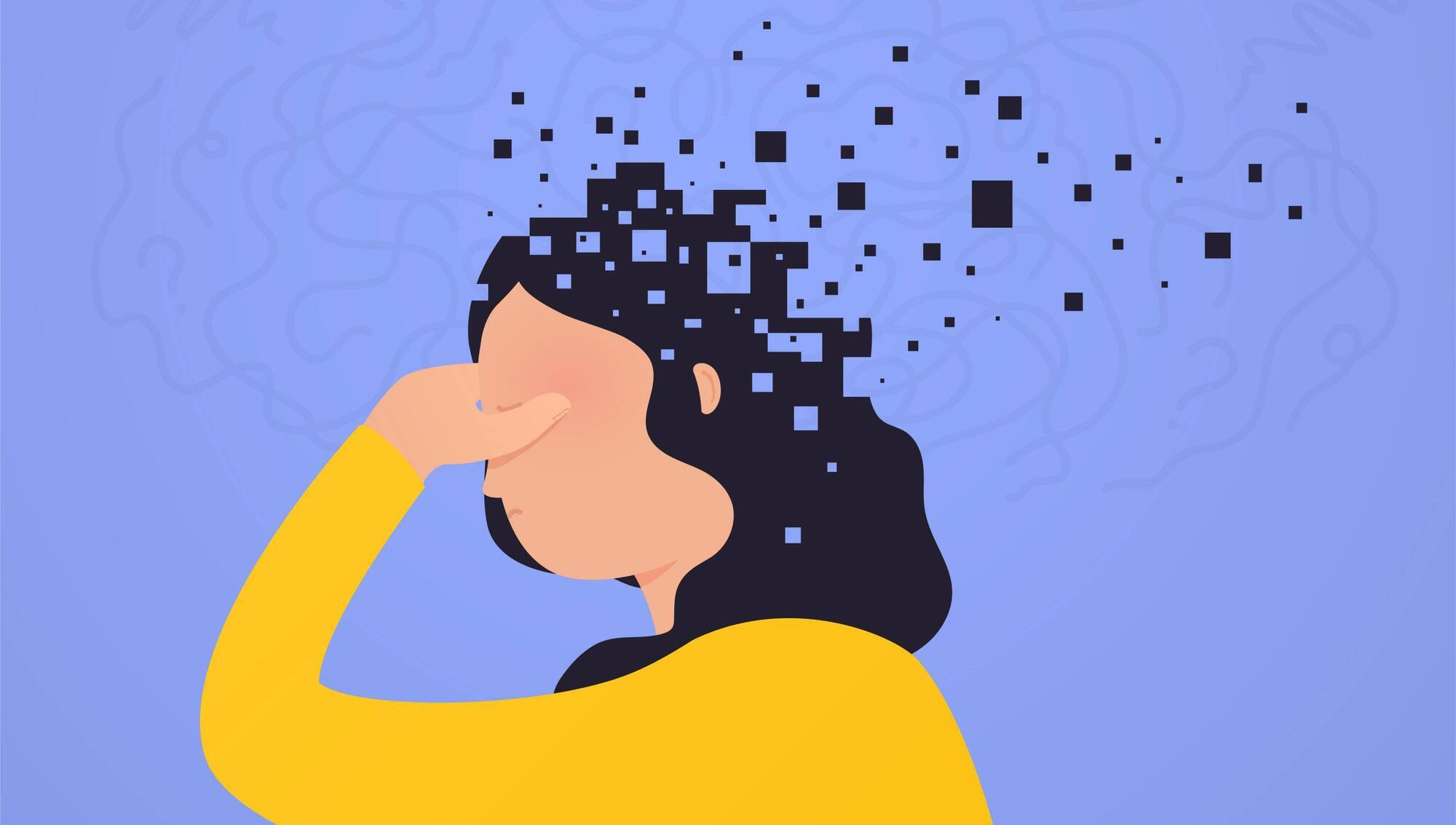
"We quite often trust our memory above many things and will argue until we are blue in the face because we believe the memories and thoughts deeply rooted in our minds."
Memory is a funny thing. We rely on it, but it can steer us in the completely wrong direction if we let it. We quite often trust our memory above many things and will argue until we are blue in the face because we believe the memories and thoughts deeply rooted in our minds. However, our memory is not always compliant and can be somewhat flexible making it not always correct in how we reminisce about a time or place.
While we sleep, memories are logged away. Think of if like a filing cabinet in your mind which is easily accessible, and memories can be effortlessly retrieved. However, the transition to those filing cabinets is not always as streamlined as we may like and memories can become distorted, split, or sometimes lost during the transfer.
Because our memories can heavily influence how we perceive the world around us, including how we interact with people and how we respond to certain situations, it can be tricky when our memory recollects matters in a convoluted or inaccurate manner. Especially considering memory also plays a part in how we perceive ourselves. Are we gaining an accurate representation of ourselves, and our lives based on our memory?
This is one of the reasons our memories matter so much. Dr Dean McDonnell, Lecturer of Psychology at Southeast Technological University, explains that if we were to consider questions such as who we are, what life events have led us to believe certain things about ourselves, what our life ambitions, goals, or aspirations are, we can begin to understand ourselves better. Memories and recollection play a big part in how we interpret those events and how we navigate our lives based on those interpretations.
“Everything you are, is a culmination of all of your life experiences,” he says. “So, if some of these memories are questioned, it could lead to some form of inner crisis or could lead to uncomfortable situations with friends or family if you have opposing views of the same event. But keep in mind, this is natural. Two people seeing the same event will always see things a little differently.”
And this is where memory gets a little tricky. We are all subjected to false memories from time to time. You may strongly believe that you called your friend yesterday when in fact, you haven’t spoken to them for a few days. Or you may believe you locked your car before walking back into the house when you hadn’t. And you may incorrectly remember turning the dishwasher on this morning.
A false memory and memory distortions are exactly what they sound like, says Dr McDonnell, who is Membership Secretary of the Psychological Society of Ireland. “It is when we either completely fabricate or distort or misremember an event or situation. False memories can range in severity. You might be convinced something happened when it may not have, such as locking a door or turning off the immersion, to something more severe, such as getting lost in a shopping centre or being bitten by a dog.”

False memories can seem very real but are in fact a fabrication of the mind. Most often, misremembering is not problematic as we can easily shift the memory to the right channel when we confront our memories and align them with the actuality of an event, often laughing at the inaccuracy. Some false memory shake downs can lead to funny stories we happily share.
However, false memories can become problematic when it begins to affect a person’s identity and influences their relationships and day to day living. In more complex cases, false memories are misremembered recollections that are so strongly believed they can be difficult to challenge.
“Interestingly, they can be incredibly common, and we have some psychologists in Ireland actively working with some of the leading researchers in this area such as Gillian Murphy of UCC,” says Dr McDonnell.
“A large body of work has also looked at how individuals who experienced trauma, high levels of anxiety and depression, are also more likely going to experience false memories.” If we consider that large filing cabinet in our mind again, in the same way, false memories can also become filed away however the distortions that occur as we misremember can occur for a number of reasons.
“We know that highly stressful or emotional events or situations will increase the likelihood of experiencing a false memory,” says Dr McDonnell. “Memories can naturally fade over time so, when we try to recall a past event, some of the information can be lost. This can be perfectly normal. Our brains love patterns and filling in blanks, so if there is a piece of information that is not fully remembered, our brain will fill in the gaps as much as possible, sometimes effectively, sometimes not.”
Inference can play a large part in how we store those memories also, as we are often influenced by those around us in how we remember. Prompting or probing questions can shift our memories to align with someone else’s recollections more so than our own.
Fake news and misinformation can play a huge role as suggestive memories are implanted across the board through manipulation of our thoughts and memories. And confusion can heavily shift how an event may have played out. We may remember the event, but the timeline of events may not be correct, or those in attendance may be obscured. And of course, sleep deprivation can affect how well we retain full memories.
False memories can easily happen and so we know they are not rare. Everyone has them and they can fluctuate from the trivial misplacing of keys to the more serious such as witnessing a crime that never happened, but these kinds of recollections are less common.
Even though false memories seem inexplicably concrete and real and can hold deep emotions with them, we may not choose to challenge them until necessary. But questioning and loosening a false memory can only be done with evidence outside of the memory to guarantee it is an authentic recollection.
Memory isn’t permanent, and is quite flexible in its making, so we may wonder what we can do about false memories and how we may potentially stop them from happening.
“Trying to improve memory is one of those age-old questions, pondered by philosophers likely sipping on a glass of red wine,” says Dr McDonnell. “We have lots of different types of memory, and this will again differ from person to person. Some might be great at random facts, some might be great at remembering mathematical formulas, some might be great at remembering a dance routine or song lyric. We are learning more about memory and how it works every day. We know that the more you use your brain and keep it active, the better. Hobbies are important, spending time with friends and family, and leading a healthy lifestyle is essential.”
Inaccurate memory is part of being human. We are curious, questioning beings and can be easily swayed within our memories and recollections. While false memories can be aggravating at times, memory mistakes are quite common. If you are experiencing memory distortions that create anxiety or conflict, please seek the support and guidance of a professional.


CONNECT WITH US TODAY



Be the first to know the latest news and updates