As Matt Willis opens up in new documentary, here's how to navigate addiction as a family
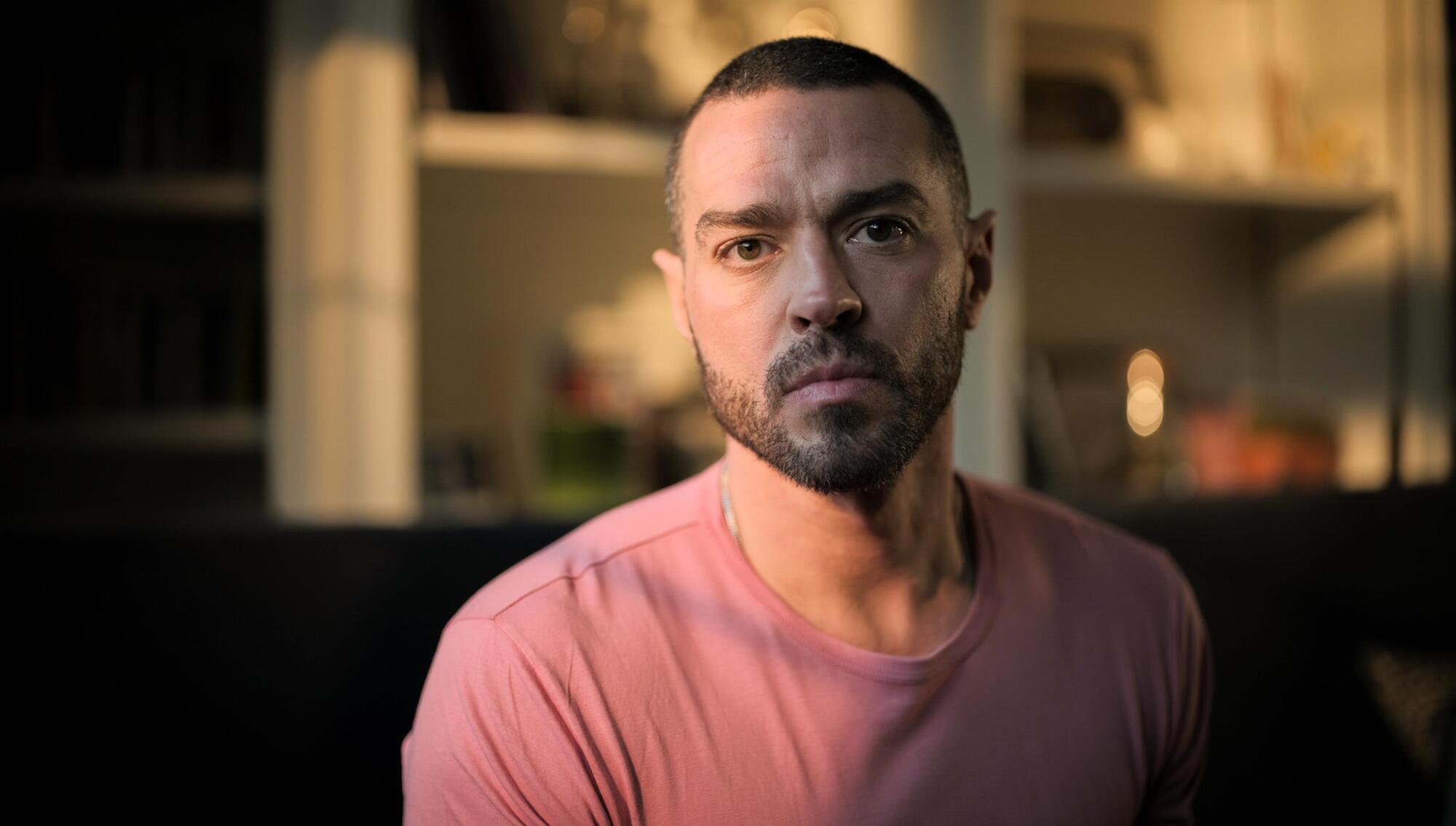
Matt Willis, has said his new BBC documentary detailing his history with addiction is 'hard for me to watch', but hopes it reminds viewers that there is no status, wealth or age barriers to addiction.
Busted star Matt Willis has opened up about his addiction, and the “huge ripple effect” it can have on family members.
The musician — who is married to TV presenter Emma Willis, with whom he shares three children — talks about his struggles with drugs and alcohol in a new BBC documentary, .
Now sober, having sought help and been through rehab, the 40-year-old says in the documentary: “I think the conversation about addiction is sometimes so focused on the addict, and I think the effect it can have on the people that love you is so huge.”
Willis also says it’s going to be “really hard” to see his eldest daughter Isabelle, 13, learn about his past struggles.
The singer is highlighting something that’s not often talked about but isn’t uncommon. Parental addiction affects many families — and not every situation is the same, generally speaking, it can have a big impact on partners and children.
According to the NSPCC, last year their Childline service delivered 633 counselling sessions to UK children concerned about a parent’s substance misuse — almost two a day. However, the charity says the actual number of children needing support for this matter is likely to be much higher.
Childline director, Shaun Friel says they often hear from children who say they are left picking up extra responsibilities as a result of parental addiction too, such as keeping the house clean, cooking and caring for siblings. They may also be at risk of physical and emotional abuse or neglect, and experience behavioural or emotional problems.
“They also worry about the adults in their lives who misuse alcohol and drugs, and this can leave them feeling stressed and worried,” says Friel. “Given this, it’s essential children feel able to talk about their feelings and know where to turn for help, which can include services such as Childline.”

Vivienne Evans, chief executive of Adfam, a charity that works with families affected by drugs and alcohol, says: “Dealing with the effects of substance use within a family can be devastating. Many family members feel isolated and financially constrained, with impacts on their mental and physical wellbeing.
“Often family members are the ones left to pick up the pieces of their loved one’s substance use, yet the effects on the family aren’t well recognised — it’s an issue that regularly goes under the radar.”
She says family members are often desperate to help their loved one stop drinking or using drugs, but stresses: “Ultimately, whether your loved one recovers is up to them. You can’t take that decision for them, difficult though that may be to accept at first.”
However, she says there are steps that can help families living with parental addiction…
Parental drug or alcohol use can have a huge effect on a young person’s health, wellbeing, education and development, says Evans — and it’s important they have a trusted and qualified person to listen to and support them without judgement. Children may need to be reassured that they aren’t betraying anyone by talking about it, either.
“When communicating with a young person impacted by a parent’s substance use, it’s important to emphasise they are in no way responsible or to blame for their parent’s drug or alcohol use,” Evans says.
Evans says the charity Nacoa, which supports those affected by their parents’ drinking, identifies six Cs to help young people: you didn’t cause it; you can’t control it; you can’t cure it; you can communicate your feelings; you can take care of yourself; you can make healthy choices.
Get support for yourself It’s important for partners and children to have support in place for themselves, too. “It may sound counter-intuitive, and you may have never considered getting support yourself — but a family who is healthy and supported is in a much stronger position to influence their loved one to seek help,” says Evans.
Although your loved one may not be interested in getting help just yet, Evans suggests family members seek out treatment information themselves, if they’re able to. They could talk to a GP or visit the website Talk to Frank, for example — and then perhaps casually leave the information in their loved one’s way, if safe to do so.
“It may plant a seed, and will mean you’re better informed about what treatment involves when the time comes to support them,” says Evans.
Setting and maintaining clear boundaries is important for families affected by addiction. Evans suggests communicating these in calm moments.
Boundaries may relate to money, food, laundry, running errands, covering for them, and even letting them live in the family home. “Work out your boundaries, communicate them to your loved one and stick to them,” says Evans.
Be positive It can be extremely challenging to remain positive, especially if family members have experienced a string of disappointments or broken promises in the past. However, Evans stresses: “Finding ways to communicate to your loved one that you believe in them and are there to support them when they’re ready to seek help, can make all the difference.
“Recognising successes, however small – a small reduction in the drugs or alcohol used or a thoughtful gesture which comes out of the blue – can play an important role in motivating someone to change.”
A list of support services and helplines can be found here.

CONNECT WITH US TODAY



Be the first to know the latest news and updates