Talk To Me: I find it difficult to imagine a life without work
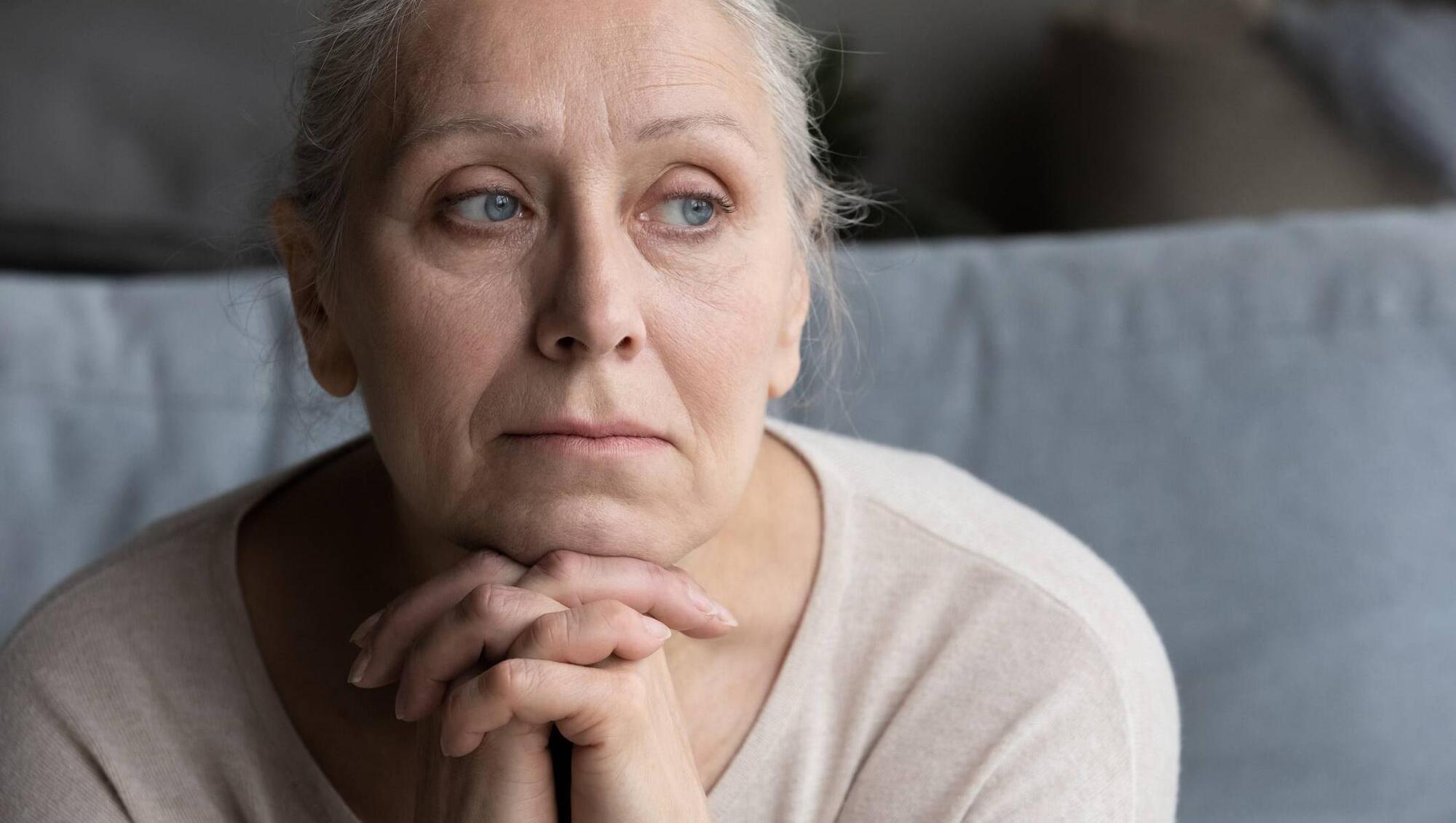
Pic: iStock
We need only look at the images coming from France on our evening news bulletin to see how retirement can be fraught with difficulties.
Even though our workplaces are built on relationships, little is spoken about the grief that can arise upon retirement.
It can be a cruel realisation that the relationships we have invested in over our working years are conditional on a particular context - the workplace. When working in the public sector such as the healthcare sector, there tends to be a common understanding of purpose. Not only do we appreciate your colleagues' competencies but also how their values are shaped through life experiences and brought to bear on shared work.
We are more likely to build genuine caring relationships when we experience challenges and succeed together. This can benefit organisations as we tend to demonstrate greater perseverance when we know we can rely on our co-workers in difficult circumstances. However, the reality is our workplace is a temporary space that we inhabit.
Those who work in the public sector are often attracted to these roles for the service ethos and security. When nearing retirement and considering withdrawing from that sense of safety, it is natural that they may feel quite unsettled. The word ‘retire’ comes from French and means to withdraw for privacy or seclusion. The difficulty often lies with the second part of this meaning, the foreboding seclusion.
It is wise to acknowledge this fear is valid, but that is not to say isolation is inevitable or there aren’t things you can do to prevent it. Retirement from a job held for many years is a significant life event for most people, giving rise to a broad range of feelings. It is natural to feel depths of emotions you might not ordinarily experience - after all, retirement is not an everyday occurrence. This broader range of emotions may make you feel more apprehensive or sad than usual. When our feelings catch us off guard, we can have difficulty identifying solutions or creative approaches.

During this transition period, caring relationships will play an important role in helping to quieten internal unrest. You may be focusing on the friendships you have built in the workplace, but consider some of your other bonds, which this life event may overshadowTake time to consider your full range of social networks. It is possible old school friends or college friends are also at the point of retirement and may be delighted to rekindle old friendships. You may have family eagerly awaiting your increased availability.
There will likely be teammates with whom you would like to maintain a friendship. Lay the groundwork for that now. Make plans to stay in touch. You may be members of a local running club or perhaps you both volunteer for the local St Vincent de Paul. Identify the shared spaces outside of the workplace.
There will also be colleagues you are not close to but with whom you have a good alliance. While you might be less likely to meet up with them in the future, take time to acknowledge their contribution to your work life. Wrapping up these connections is critical. Deliberately recognising the collective achievements of the team can help you prepare to leave as you can pay tribute to the work you have completed. These conversations can offer insight into what you found fulfilling about your work.
The next step is to focus on goals for yourself - a new skill, an abandoned project, volunteering or a hobby. Take time to reflect on your accomplishments and personal values; this can help focus your attention. Consider how your unique combination of skills and experience can be used in new ways. You may opt to mentor others entering the healthcare field or those transitioning into leadership roles. I suggest you begin to journal this experience. (Many journaling apps are available if you prefer a technological approach rather than a more traditional pen-and-paper version.)
As you gain a sense of calm, you may be surprised by how excited you become about exploring new aspects of life. Many people discover they have never been as busy as they are in retirement, and the difference is often that they are pursuing interests they feel passionate about. It is important to tune into moments of joy, notice these instances and be curious about them. Taking a gratitude mapping approach, consider what you are doing, where you are and who you are within those moments. This will give you a sense of what you want to nourish in your next life stage.
Congratulations on the success that is reaching retirement with a fondness for your work and your team.
As Dr Seuss says, ‘don’t cry because it’s over, smile because it happened.’
Take care.
- If you have a question for Caroline, please send it to feelgood@examiner.ie

CONNECT WITH US TODAY



Be the first to know the latest news and updates