Natural health: Take B12 to reduce tinnitus symptoms

Research has shown that most tinnitus sufferers are deficient in vitamin B12.
Vitamin B12 is one of the most effective natural remedies I have come across for tinnitus. Your father will need to take a therapeutic dosage of 2000mcg daily to reduce or eliminate the buzzing and ringing sensation in his ears.
Research has shown that most tinnitus sufferers are deficient in vitamin B12. This nutrient can be found in dairy products, meat, and eggs, but it makes more sense to choose a supplement of 1,000mcg strength and take two daily for an accurate therapeutic dose. Vitamin B12 is crucial for the production and maintenance of the myelin sheaths, which protect the nerve cells of the inner ear.
It is also worth noting that aspirin, quinine (found in tonic water), caffeine, nicotine, and alcohol tend to make tinnitus symptoms more pronounced.
While tinnitus often occurs due to working with or around loud machinery, musical instruments, or other equipment, it can also develop as a side effect of certain illnesses. It might be wise to rule out any underlying disorders such as chronic ear infection, acoustic neuroma, or Ménière’s disease — all of which require appropriate medical treatment.
The sensation of a sound in the ear or head for which there is no external source can be deeply frustrating, especially when it disrupts your sleep. It is important to reduce your exposure to loud noises — perhaps having earplugs on hand in case they are needed.
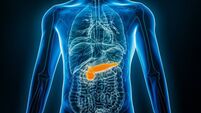
SIBO is often linked with IBS (irritable bowel syndrome) and leaky gut. Common symptoms include diarrhoea, gas and bloating, abdominal pain or tenderness, flatulence, cramping, and a heavy feeling in the abdomen.
Many people find relief in following either an autoimmune protocol diet (AIP) or a Low FODMAP diet. There is a wealth of information on the internet about both dietary approaches. However, before you make any changes to your diet, it is essential to contact a registered dietitian or your GP.
AIP is intended for short-term use and helps to reduce inflammation and repair the gut. A Low FODMAP diet is based on reducing specific types of carbohydrates that can cause digestion and absorption issues and typically involves a longer-term change in dietary choices.
Dietary changes can bring relief from SIBO symptoms and help while you take other steps to heal your intestinal tract.
Once you start to improve, slowly introduce gentle probiotic beverages such as water kefir before moving on to other fermented vegetables and drinks to support your gut flora.
Body Ecology has developed a GI Distress Relief formula, which includes four probiotic strains of bifidobacteria to help tone the gut barrier and support immune health. It is also worth considering its EcoPhage, which contains bacteriophages to eliminate pathogens and clean up your gut. Check for availability in your local health store.
- Do you have a question for Megan Sheppard? Email it to feelgood@examiner.ie
- NOTE: The information contained in this column is not a substitute for medical advice. Always consult a doctor.

CONNECT WITH US TODAY



Be the first to know the latest news and updates