Male infertility: How to help boost sperm quality
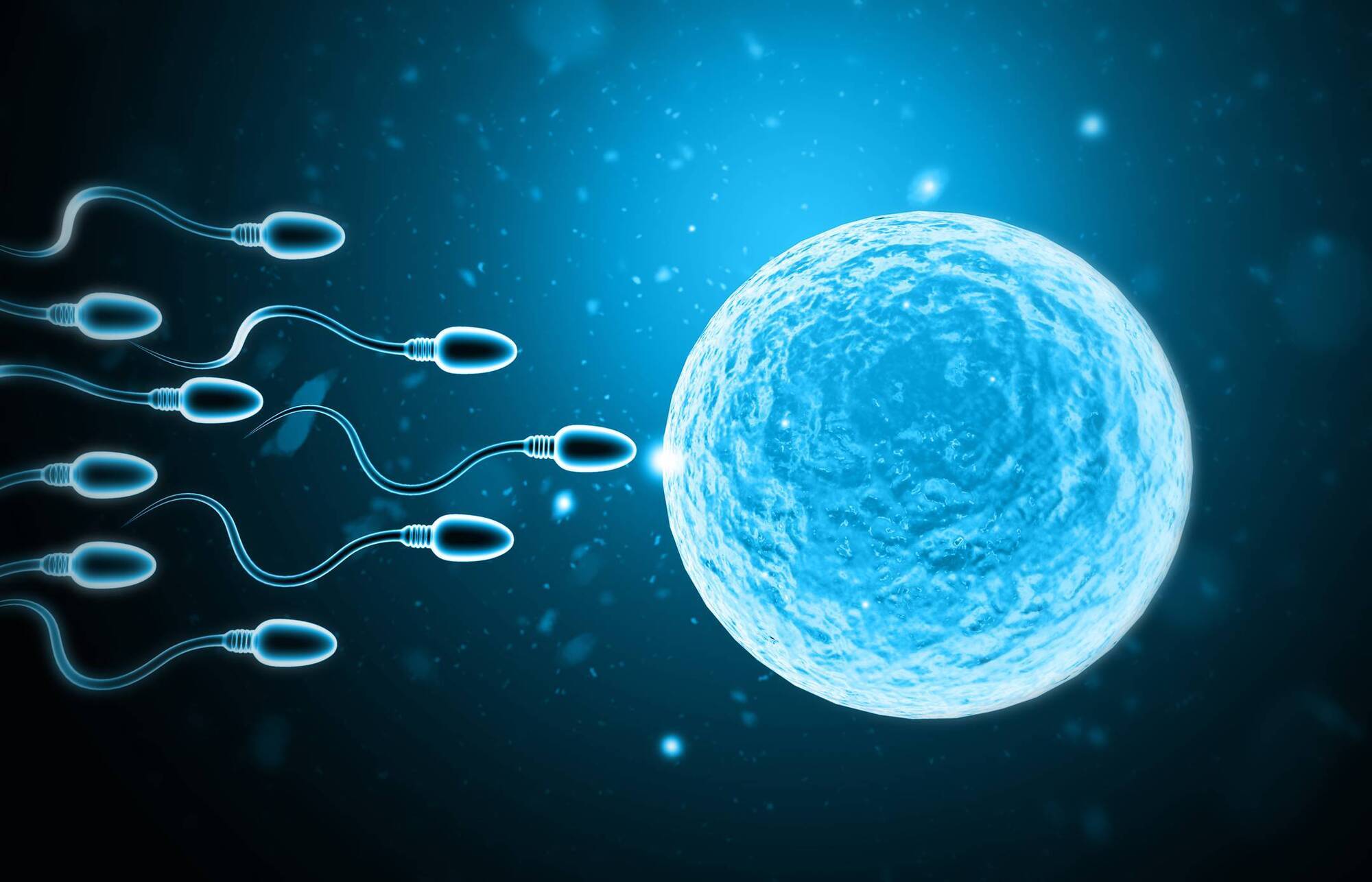
There is evidence of a decline in sperm count and that significant decline can only come from environmental or lifestyle factors rather than genetics as genetics works over generations.
Sperm concentration has halved globally in the past 40 years and it’s accelerating, according to a study published in November 2022 in the journal Human Reproduction Update. The finding makes the need to have a conversation about male infertility increasingly urgent.
“There is evidence of a decline in sperm count and that significant decline can only come from environmental or lifestyle factors rather than genetics as genetics works over generations,” says Professor Joris Veltman, dean of Biosciences Institute at Newcastle University.
Veltman and his team have recently identified a new genetic mechanism that can cause severe forms of male infertility. The research shows that mutations occurring during the reproduction process, when the DNA of both parents is replicated, can cause infertility in the son later in life. This breakthrough in understanding the underlying cause of male infertility offers hope for more informed and accurate treatment options for patients in the future.
According to Professor Veltman, little is understood about the typical causes of male infertility. “In about 60% of male patients, we basically don’t know. It could be hormonal problems, for example not producing any testosterone and therefore no sperm, which can be genetic in itself as well as having other causes. It could be because of infectious diseases or viruses that in rare instances can result in infertility. There could be obstructive problems, genetic conditions, or a combination of environmental or lifestyle factors.”
Diagnosing infertility in men is not a complicated process but understanding the cause can be complex when it’s genetic. According to Professor Veltman, investigating the various combinations and inheritance models through DNA structures of men and their parents can help to find answers that can aid treatment options and understand the potential genetic structures for future offspring. When navigating infertility, understanding the cause is critical to successful treatment.
“If there is a genetic cause, we can now give a better prognosis with possible outcomes,” says Professor Veltman.
Sperm issues
Men are just as likely to experience infertility as women, says Dr Tim Dineen, a founding member of the Waterstone Clinic in Cork. “If we look at the general population, one in 15 men will have a fertility issue of some type. For some of those fertility issues, it may not take much to help them and get them over the line. But for others, there may be a more extreme form of male infertility where there may not be any sperm in the ejaculate.
“We know that for couples attending ART (assisted reproductive therapy) clinics, about a third of cases are female-related issues, a further third are male-related, and in the remaining third, there’s a mixture of male and female issues and there may be a very small percentage where it’s unexplained.”
Several treatment options are available in Ireland for male factor infertility. ICSI treatment can bypass male fertility issues by using a single sperm injected into each egg to increase the rate of fertilisation. If there is no sperm in the ejaculate, there is the option of surgical sperm retrieval from the testes to use in ICSI treatment. Additional options include using cryopreservation to freeze a sample of sperm for future use or alternatively using donor sperm to start a family.
Given that males are just as likely to have fertility issues as females can come as a surprise to men, says Dr Dineen. “Men tend to be slower in seeking any kind of test, or advice when it comes to infertility. This is often because they don’t anticipate that it is going to be a problem for them and also because, generally, the female takes the lead on finding a solution when a couple is struggling to conceive. For this reason, we advise that a couple needs to be treated together.”
Dr Dineen emphasises that if a couple has any query or is struggling to conceive, a semen analysis should be completed as part of their combined fertility assessment and investigation. This straightforward test provides vital information and is the first port of call when undergoing fertility investigation.
Unless a genetic condition is apparent such as cystic fibrosis, men are unlikely to undergo a semen analysis until pregnancy becomes an issue. However, with the understanding that environmental factors play a part in lower sperm counts, Dr Dineen advises men to think about obtaining a non-invasive semen analysis as it can give important information about potential fertility problems.
“Our preference is that couples get pregnant spontaneously and therefore don’t need treatment,” says Dr Dineen. “A change or tweaking of lifestyle can help men to improve sperm quality or quantity. Whether it is diet, alcohol, caffeine, or medication, small adjustments can help couples transition to parenthood.
“There are cases, however, where even a lifestyle change isn’t going to support a spontaneous pregnancy, and unfortunately, those couples will need treatments to get there. But we would hope that even if we’re dealing with very few sperm or sperm of poor quality, by doing ARP treatment, you can still very successfully overcome that problem.”
Treatment costs vary and are dependent on the individual requirements of the patient. IVF/ICSI treatment can range from €5,000 to €5,500 with additional costs for consultations, investigations, scans, and labs.
Pollution factors
Helena Tubridy is a former midwife and fertility coach in Co Meath with over 30 years of helping couples achieve pregnancy. She acknowledges the great concern among her clients with the rate at which sperm count is falling. “Endocrine disruptors and plastics are said to play a part in the drop as well as environmental pollution,” she says about research which has connected the dots between plastics, chemicals, and infertility.
“Issues such as diet, living indoors more with a lack of fresh air and sunlight have also had an effect. Recycled air indoors has created very toxic buildings.”
In a 2018 study published in Integrative Medicine, researchers stated that “metals and chemicals in the air, water, food, and health-and-beauty aids are damaging fertility in many ways. These toxicants are causing men to experience relentlessly decreasing sperm count and function while women are suffering progressively worse anovulation, impaired implantation, and loss of foetal viability.”
Tubridy recognises the decline in male fertility as a public health issue. “It’s the canary in a coal mine,” she says,” adding that men need to be aware of their general health and cardiac health and to use semen quality as an advance warning system as it can be an important marker of overall health.
“The quality of sperm is incredibly important. There are risks when there is faulty sperm which can lead to a risk of pregnancy complications, miscarriage, or health complications for mother and baby.”
A key aspect of sperm quality lies in the DNA. When DNA fragmentation occurs, according to one study published in Reproductive Biomedicine Online in 2016, there may be a risk of recurrent miscarriage.
Tubridy suggests focusing on the “lifestyle pillars of diet, exercise, sleep, sun exposure, fun, laughter, and a good sex life.”
Fertility treatment success rates vary depending on treatments, health issues, and the couple, making it difficult to ascertain an overall success rate for treatments.
However, the Waterstone Clinic’s success rates over seven years are available on its website.
“When it comes to success rate,” says Dr Dineen, “you are looking at both partners together contributing to the overall success. For example, in the most extreme form of male infertility, where there is no sperm in the ejaculate, also referred to as azoospermia, we can still retrieve sperm from the testicle in a high percentage of those cases.
“In a number of cases, we won’t be able to identify the reason for the man’s infertility, we may not be able to correct the underlying problem, but by going through ART treatment, you can very successfully overcome it.”
Emotional support
Infertility is a highly stressful experience for most. A 2017 study published in Fertility and Sterility found that men often feel a “threat to their future fatherhood” and undergo “emotional loss and distress” following a diagnosis of infertility and infertility in general.
“Men are not as open as women and may internalise the diagnosis and treatments,” says Dr Dineen. “Infertility is a taboo topic for men where fertility, sterility, and virility are all closely linked. It goes back to the perceived reality about fertility and what the guys will think of him if he’s struggling to get his partner pregnant.
“Also, men are often required to take a back seat when it comes to treatments. Usually, all he needs to do is produce the sample and that minimises or reduces his involvement when he may already be feeling left out because the concentration is on the female partner.”
Dr Dineen advises men to get proper support physically and emotionally when engaging in fertility assessments and treatments. “The support network is so important,” he says, “not only from his partner but his family and friends. We provide counselling at any stage of treatment at the Waterstone Clinic.”
Dr Dineen says the conversation surrounding male infertility needs to be normalised. “An infertile man may think he is the only one in his circle with this diagnosis but that may not be the case. Men rarely volunteer to discuss these issues.”
According to mental health research, when the issue of fertility is not discussed and therefore possibly misunderstood, a diagnosis of infertility can be all-consuming for a vulnerable partner. It’s important to note,” says Dr Dineen, “that even in extreme male infertility, there’s still a good chance of success with treatment. If you’ve got a diagnosis, it doesn’t mean it’s the end of the road there is still hope there.”
Boost sperm quality
Age matters — Despite a man producing new sperm every three months, reductions in sperm quality can increase as men age. Lifestyle and dietary changes can help improve sperm quality.
Stop smoking — Smoking has been proven to decrease sperm numbers. The free radicals produced from smoking can also affect the quality of sperm.
Drink less — Evidence shows that one additional unit of alcohol per day in the month leading up to IVF treatment reduces the chance of pregnancy.
Manage weight — If your BMI is in the overweight or obese category, it is important to lose weight as this may improve sperm health.
Monitor exercise — Maintain moderate exercise but avoid over-exercising and excessive cycling as it can impact quality.
Keep testes cool — Avoid laptops on your lap, phones in your front trouser pocket, excessive cycling, tight trousers, or underwear.
Diet — Free radicals in our diet may be detrimental to sperm quality. Boost your intake of antioxidant-rich foods to combat the effect of free radicals in our diet and the environment. Increase your fruit and vegetable intake. Eat more oily fish, nuts, lentils, seeds, eggs and beans, wholegrains and keep topped up with water. Decrease your red meat intake and avoid processed meats, snack foods, and caffeinated or sugary drinks.
Supplement — Folic acid which is an important nutrient for men as well as women. A high dose of folic acid can benefit men with lower sperm counts and poor sperm motility.
- From Waterstone Clinic
CONNECT WITH US TODAY



Be the first to know the latest news and updates