The festive period can be crushing for some families without children
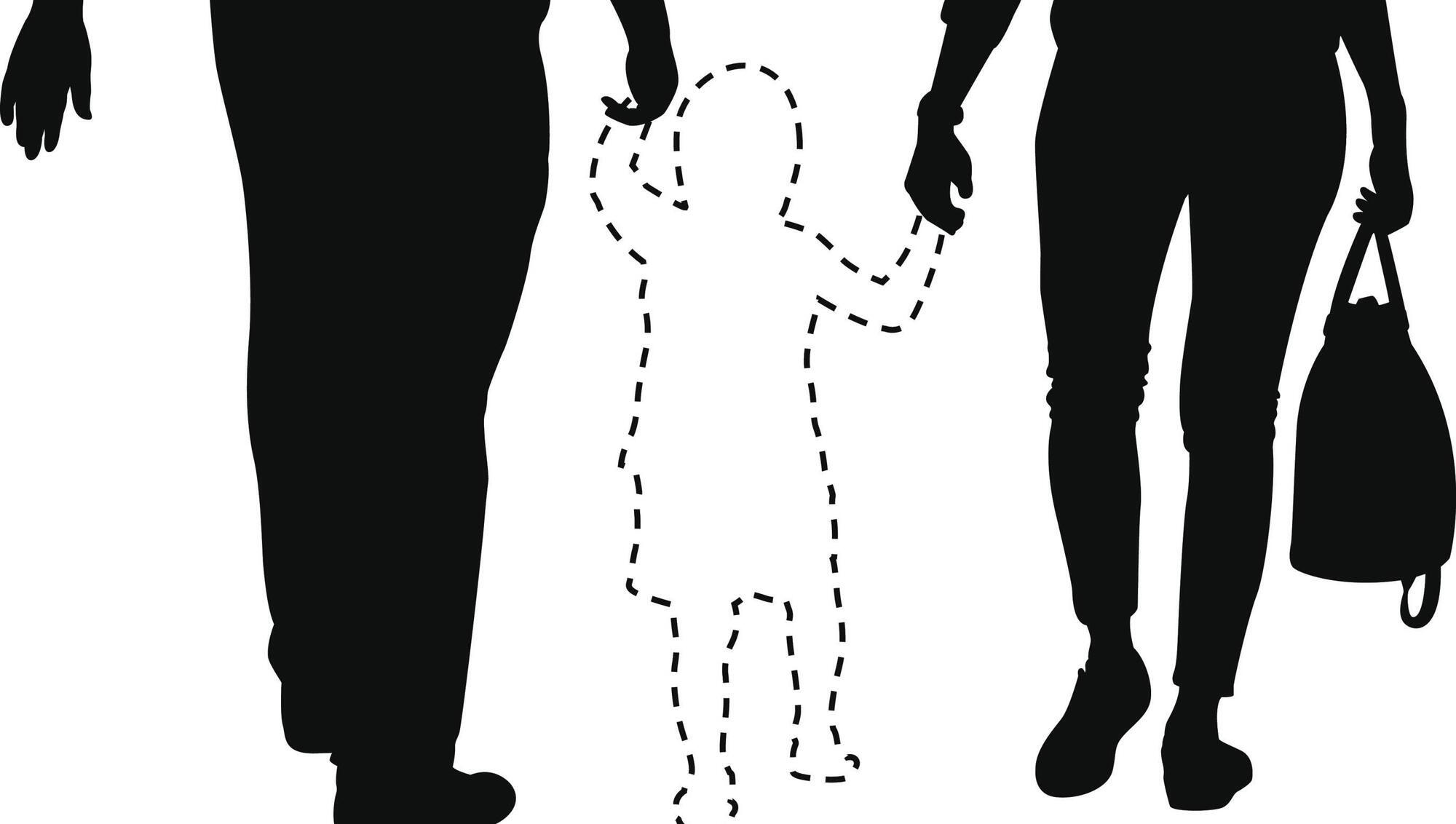
"We probably all know someone who wanted to have children and couldn’t - the fact is that the vast majority (80%) of women reaching 45 without children are childless by circumstance"
It's the most wonderful time of the year. At least that's the message that is churned out to us by the mass media.
“Help those in need this Christmas,” spouts yet another multinational corporation that promotes profit over people for the other 11 months of the year.
It’s easy to get lost in this messaging. We feel like what we are doing is not enough; that we are not enough.
The Christmas definition of family as told to us by the barrage of advertisements comprises a unit of man, woman, child. But what about those who do not have children? Women who are without children, either involuntarily or by choice - are their families not valid?
West-Cork-based psychotherapist Jody Day is founder of the childless support network ‘Gateway Women’ and penned a book called Living the Life Unexpected: How to Find Hope, Meaning and a Fulfilling Future Without Children. The Christmas period is particularly difficult for people who are unintentionally child-free, she says.
“Christmas is for kids!” “Christmas is time to be with your loved ones!”
These comments might seem innocuous enough but can be crushing for someone who doesn’t have children, says Day.
“Imagine how those statements might feel if your last IVF has just failed, your sister has just had her umpteenth baby, leaving you to field the family ‘jokes’ about being the ‘Old Maid’ again, or you and your partner are putting a brave face on a tough step-parenting situation made tougher by the fact that one of you is childless and the other one doesn’t want to do it all over again?”
Life is a lot more complicated than it looks from the outside, says Day.
“Christmas is one of those times of the year when the script of how our lives are meant to look can become uncomfortably narrow and oppressive: an attractive home; a loving partner; at least two kids; a reasonably functional extended family and of course, enough money to bring everyone together for a big spread and a few well-chosen presents at Christmas. Very few people can tick all these boxes, and even if they do, the strain of it keeps the divorce solicitors very busy each January.”
A 2014 study by the Organisation for Economic Co-Operation and Development (OECD) revealed that 18.4% of Irish women over 45 don't have children. That’s one in five women who reach midlife without having children and it looks like these numbers will continue to grow over the next fifteen years, says Day.
“We probably all know someone who wanted to have children and couldn’t and maybe someone who chose not to parent (what is called childfree), the fact is that the vast majority (80%) of women reaching 45 without children are childless by circumstance - and the biggest circumstance of all these days is not finding a willing or suitable partner during their potentially fertile years.”
Waterford-based entrepreneur Ellie Hauck is 47 and tried with her husband Dave to get pregnant for a period of 15 years. The media bombards us with images and messaging to reinforce the idea that Christmas should be all about family, she says.
“The advertisements are family-based - they pull at the heart strings – and even though I know that’s why they use it, it still makes you wonder what might have been.”
Ellie has always loved Christmas and has great memories of holidays at home with her parents and sister.
“I love Christmas decorations, meeting friends and family, gifts, and the general festive feeling but there was a time when I didn’t even bother with a tree, just feeling like ‘what’s the point?’ It’s a lot to process.”
Ellie grew up with an Irish mother and a German father and one sister; they had their own traditions, blending elements from the two cultures.
Most of Ellie’s friends have had children and one of her best friends is due this month with her second child.
“It’s hard not to feel jealousy but if you can genuinely feel happiness when others get their dream then you’ll never be sad.”
She has found joy buying presents for friends' babies – she especially loves hoodies with bear ears and “dress-up stuff.”
Ellie has come to a point where she has accepted that she won’t be recreating any of her Christmas memories with children of her own – and she’s finally ok with that.
Stephanie* is a 42-year-old public health worker. She and her husband often talk about what would have happened if they had met earlier. In spite of having friends with kids, she can still sometimes feel vulnerable or alienated at Christmas time.
“It’s very much about Santa and the Late Late Toy Show and taking the kids to shows and Santy. It’s not that I think it shouldn’t be like that but it can be difficult when you’re not really part of it.
Although Stephanie and her husband are generally happy as a pair, the Christmas period can bring up feelings of loss.
“If we had met 10 years earlier, we would have loved to have kids together. There are times you really do feel the sadness of it. It hits you in the face. In a funny way too it’s imagining the Christmases in the future. I feel bad that my parents don’t have grandkids to make a fuss over.”
Christmas is a time that amplifies what you have going on, says Stephanie, and any wishes of having children can be brought back up again by a well-meaning relative, rendering the wound that had been patched over open yet again.
“We’re all supposed to be full of love and joy and Christmas spirit. It’s a time when we’re almost forced to compare ourselves with others.
“I don’t have nieces or nephews. If anything happened to my husband, who would I spend Christmas with? Where would I go and where will I belong in the years to come without my own children to take care of me?”
While Stephanie is very happy with her husband, at Christmas time, she feels that “something is missing – that childish energy.”
With family reunions, Christmas parties and work dos, being childless not by choice, can become more visible at Christmas time, says Jody Day.
“Family members, co-workers and even complete strangers may feel that they have the right to ask prurient questions or offer spectacularly ham-fisted advice.”
Having children is a deeply complex and personal choice, says Day.
“It’s none of anyone else's business whether or not a couple is ‘expecting yet’. They might not be planning to, they might not be able to afford to, they might not be able to, and your innocent question could be the undoing of their fragile project to hold it all together at this event.”
So what is the best way to include those without children, and maybe also without partners, at Christmas? Jody Day gives her top tips.
One of the major don’ts is suggesting adoption to someone as if it’s some kind of brainwave you’ve just had; not only will they already have thought of it, they may have even tried and not been accepted.
Lots of childless and childfree people have nephews, nieces, godchildren and youngsters in their lives they might like to bring along to a party. And unpartnered employees might really appreciate the explicit welcoming of chosen family or friends to the event. Family comes in many different shapes and sizes.
There can be a tendency in families that those with children are the ones that ‘host’ Christmas, and a presumption that everyone is happy with this. One of the losses of not having the partner/kids setup can be never being the one to host and always being expected to do all the travelling and fit around everyone else’s plans. How about switching it up and giving everyone a chance to be the host?
Single women without children are adults too and deserve to be treated with the same respect as partnered women of the same age with children. Don’t make the mistake of sitting her at the kids' table for lunch, treating her like a free babysitter or expecting her to sleep on the sofa so that someone with kids can have a bed.
Although it may not feel like it, you are not alone. In Ireland, as in everywhere else in the western world, the number of non-parents is on the rise. Find your tribe online through friendship groups like Gateway Women groups for childless women - Lighthouse Community has both online and in-person gatherings in Dublin and Cork.
Have your answers pre-planned to any number of intrusive questions that you might get asked over the holiday period.
It can also be really handy to ‘bracket’ the event by speaking to supportive friends beforehand and afterwards, having prearranged times for those check-in calls in advance. If it goes better than you expected, you can celebrate that win with them too!
CONNECT WITH US TODAY



Be the first to know the latest news and updates