How to avoid a cold when everyone you know has one
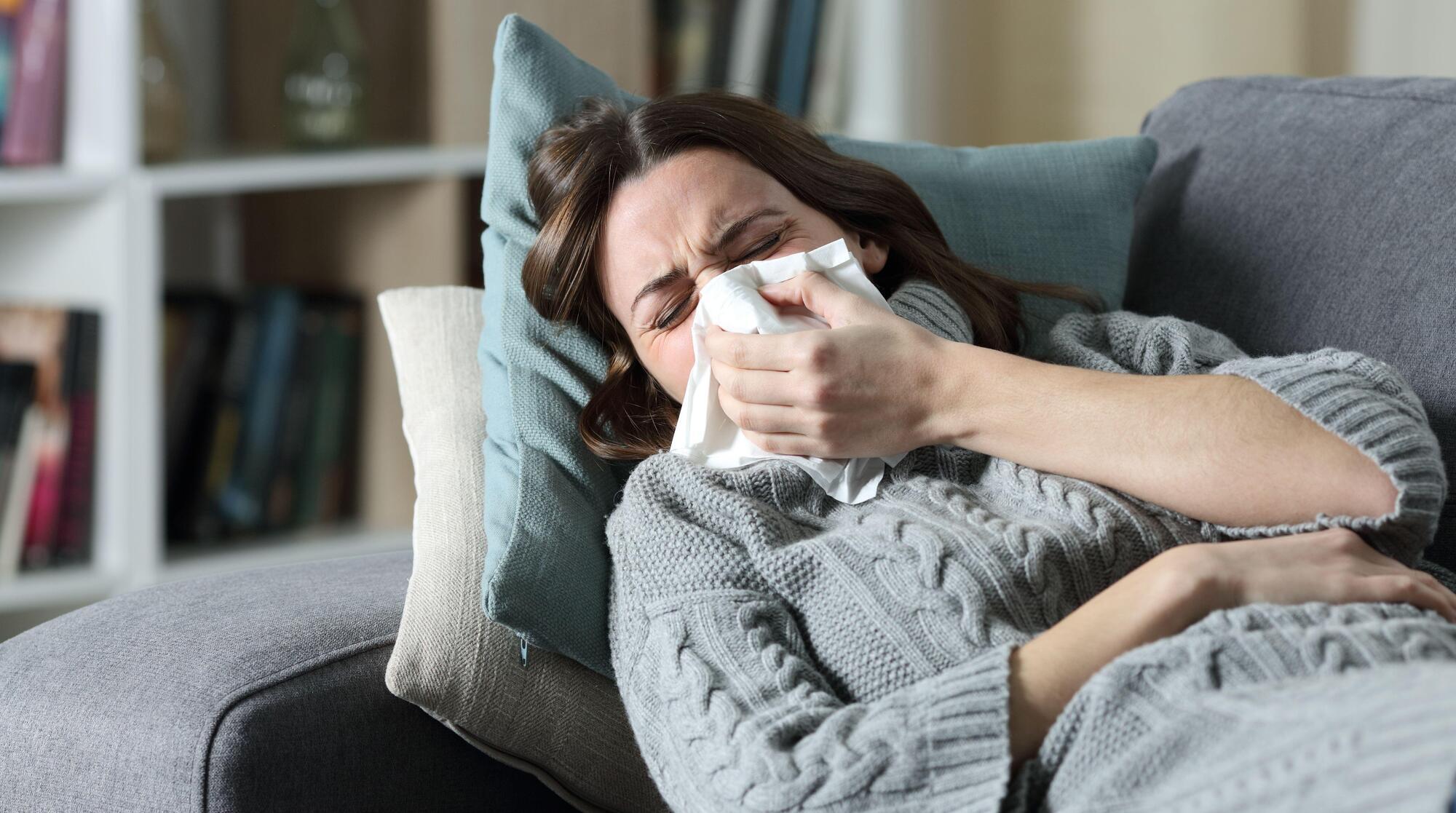
Masking up, washing your hands regularly and incorporating specific vitamins in to your diet can help 
How to avoid a cold when everyone you know has one

Some of us are more susceptible to winter headcolds than others

Winter lurgy is rife right now and it may seem like just about everyone around you is coughing, sniffing or sneezing with cold and flu symptoms.

So is it inevitable you’ll catch it too – as you socialise and rush around in the cold – or is it possible to defend your immune system and avoid it?

Well, it seems some of us are more susceptible than others, say if we are tired, run-down or suffer from other conditions.

Dr Nadja Aurbach says avoiding stress can help boost your immunity against the common cold

Dr Nadja Auerbach, at Thriva says: ”People with some medical conditions are at increased risk of infections. For example, people with conditions like asthma, COPD and diabetes, or who are immunosuppressed.” 

For them, staying safe is essential, and they should seek advice from a doctor on how to protect themselves. 

But, for people without medical conditions, “lifestyle can have a big effect on your immunity”, says Auerbach.

So, how can we avoid catching these horrible germs?

Chill out

Yes, sometimes just kicking back can help protect our immune systems.

Being more vulnerable can come from “everyday occurrences such as too much stress and not getting enough sleep”, she says.

So, don’t be afraid to hibernate this winter and destress from the busy year. Spending some time on your own will also reduce the number or people you may be exposed to.

Drink more water and less booze 

If you are regularly “getting dehydrated, and binge drinking,” you are making yourself more vulnerable, according to Auerbach. 

It may be difficult when so much of the season is spent eating and drinking, but make sure you are having a bit of balance and drinking plenty of water too will help lower your risk of getting sick.

“A lifestyle with healthy habits is key in minimising your chances of getting an infection,” she says.

Eat immune-boosting foods 

“The best approach is to maintain a balanced and nutritious diet full of vitamins, minerals and antioxidants,” says Dr Rhianna McClymont, GP at Livi. 

“All the usual suspects – lean meat, fish, grains, pulses, and five portions of fruit and vegetables a day.

“Try to have a mix of colours on your plate. The wider the variety of colours you eat, the more types of phytochemicals [the chemical compound produced by plants] you consume, which are essential for fighting inflammation in the body,” she says.

“If you don’t always have the fresh foods in, stock up on a few portions of frozen or tinned fruit and veg. This alternative is just as nutritious as fresh because it’s frozen so quickly after being picked.” 

Try vitamin supplements or prioritise vitamin-rich food 

Lesser known vitamins to try and include more of in your diet include zinc and selenium 

“To go one step further, make sure your diet includes a mix of vitamins and minerals associated with a strong immune system,” says McClymont.

“Vitamin A – which can be found in liver, milk and cheese and green leafy vegetables. Also try to prioritise vitamin C – found in oranges, tomatoes, kiwis, blackcurrants, peppers and broccoli. [And] vitamin D – found in oily fish, eggs, fortified breakfast cereals and dairy products.” 

Lesser known vitamins to try and include more of in your diet include zinc, “found in meat, poultry, eggs, cheese," she says, "as well as root veg, nuts and seeds."

Selenium is another one to consider, "which can be found in wholegrain bread, eggs, poultry, fish and shellfish”. 

Wear a mask and wash your hands 

“Masks, particularly in mass use, can reduce the risk of airborne infections,” says Dr Sanjay Mehta.

"Regular handwashing can further reduce the transmission risk too.” 

Stay on top of vaccines and boosters 

“Many viruses and other infection-causing bugs make it through this initial barrier [of masks and hand santisation] and into the body, so looking after your immune system is just as important, to maximise your defence,” says Mehta. 

“That includes keeping up-to-date with the annual influenza (flu) jab and covid boosters, which helps to reduce the risk of transmission and severity of such infections.”

This article was first published in December 2022. 

x

More in this section

Lifestyle

Newsletter

The best food, health, entertainment and lifestyle content from the Irish Examiner, direct to your inbox.

Cookie Policy Privacy Policy Brand Safety FAQ Help Contact Us Terms and Conditions

© Examiner Echo Group Limited