Natural health: What causes cold sores, why do they reappear and how can I treat it?
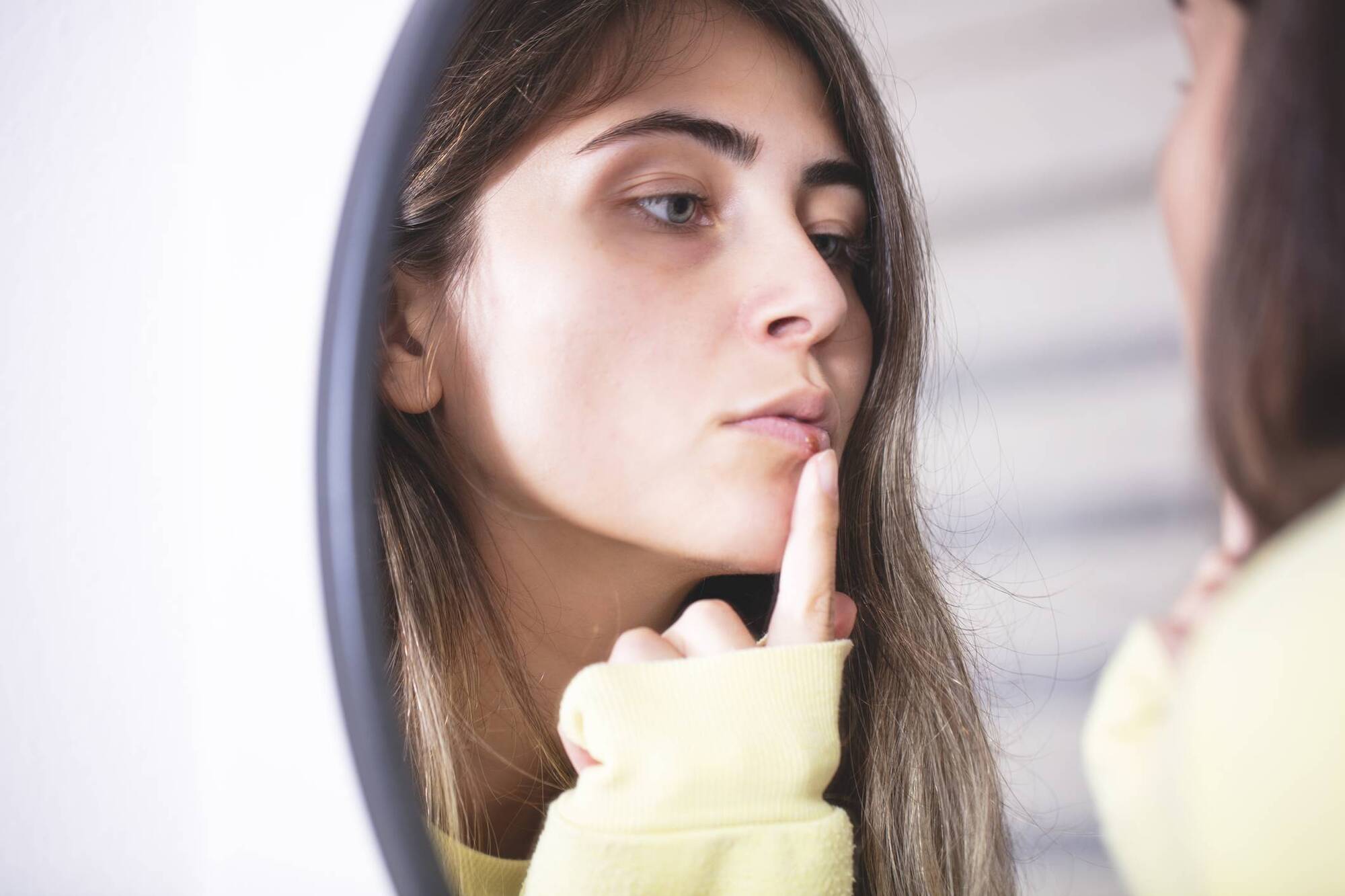
Vitamin D is crucial for immune support, and levels are often lower in individuals who feel fatigued, have trouble sleeping, and experience low moods
Natural health: What causes cold sores, why do they reappear and how can I treat it?

Cold sore triggers can be anything from sun exposure, food sensitivities and allergies, medication interactions, or menstruation — however, the most common triggers are elevated stress levels and fatigue.

My teenage daughter, who always seems tired, developed cold sores around her mouth recently. She’s on a vitamin D supplement. Is there anything else we can do?

Cold sores are a sign your daughter is feeling run down or stressed. Caused by the herpes simplex virus (HSV-1), an estimated 90% of all adults have been exposed to this virus at some point in their lives, with only around 20% of those developing cold sores — typically during puberty or later on.

The cold sores appear as a result of the virus being reactivated.

Figuring out exactly what has triggered the outbreak can be quite difficult. Cold sore triggers can be anything from sun exposure, food sensitivities and allergies, medication interactions, or menstruation — however, the most common triggers are elevated stress levels and fatigue.

Vitamin D is crucial for immune support, and levels are often lower in individuals who feel fatigued, have trouble sleeping, and experience low moods. Studies have shown that individuals with recurrent cold sores have much lower blood levels of vitamin D, so you are doing the right thing in supplementing with this nutrient. Zinc is thought to be another critical nutrient in the prevention of herpes as it is effective in inhibiting HSV replication in test tube studies. The nutrient is also well documented as immune support, particularly in managing viral infection, so it makes sense that zinc can reduce symptoms and inhibit outbreaks. Zinc will also help with your daughter’s fatigue.

My four-year-old son is very active and finds it difficult to sleep at night. Is there a natural remedy you could recommend?

It can be tough on everybody in the household when kids are having trouble sleeping. It sounds as if your son may benefit from herbs that help to support and nourish his nervous system to provide the calming and soothing benefits necessary for a good night’s sleep.

My favourite herbs for little ones include catnip, chamomile, oat straw, lemon balm, and passionflower. Chamomile is well known for its soothing properties for external use and is a popular ingredient in sleepy-time teas for a good reason — it calms the nerves, helps to ease anxiety, and has a mild sedative action. Catnip might sound like a surprising herb to choose, however it is often prescribed by herbalists to treat nervous disorders, headaches, cramps, and sleep issues.

Oat straw is loaded with minerals and B vitamins, which is why it is a popular choice in helping with relaxation, insomnia, mental overload, nervous disorders, and stress. Oat straw does not contain gluten. Lemon balm improves focus and can help with hyperactivity and restlessness. It is the perfect herb where nerves, agitation, and rumination or overthinking are at the root of sleeplessness. Passionflower is another sedative herb that calms the nervous system and is thought to help with insomnia and anxiety. Using one, some, or all of these herbs as a tea will gently aid your son’s sleep and relaxation without disrupting his natural circadian rhythms. You only need a teaspoon of the dried herb(s) per 200ml of near-boiling water. Steep for 4-6 minutes, add honey to taste if required and let it cool down so that it is warm. Ideally, your son would drink a cup of this sleep blend around 1-2 hours before bedtime (you don’t want this to further disrupt his sleep by triggering his bladder). He can also drink a cup earlier in the day — between 2-3pm would be ideal — this helps prepare his nervous system begin the winding down process.

Supplementation can also help. Magnesium is often called an anti-stress mineral. The soothing properties of magnesium are essential for restful sleep, especially in those who have a hyperactive nervous system or are overly active and agitated.

The recommended dosage for magnesium is 120mg daily for a four-year-old child.

More in this section

Lifestyle

Newsletter

The best food, health, entertainment and lifestyle content from the Irish Examiner, direct to your inbox.

Cookie Policy Privacy Policy Brand Safety FAQ Help Contact Us Terms and Conditions

© Examiner Echo Group Limited