Natural health: How can I get my energy back following a stomach bug? 

Plus how to help stop an abscess from developing 
Natural health: How can I get my energy back following a stomach bug? 

It’s a good idea to keep a stash of raspberry leaf tea in your cupboard for future bugs and illness.

I recently picked up a stomach bug and had to take time off work. The symptoms have cleared up but my energy and appetite are low. What would you suggest?

Liquorice root is one of my favourite herbal remedies to support recovery and boost energy levels after an illness. It makes a delicious tea and develops a sweet flavour as it brews. Use a generous teaspoon per cup of boiling water and steep for as long as you like — you can also rebrew the root two to three times.
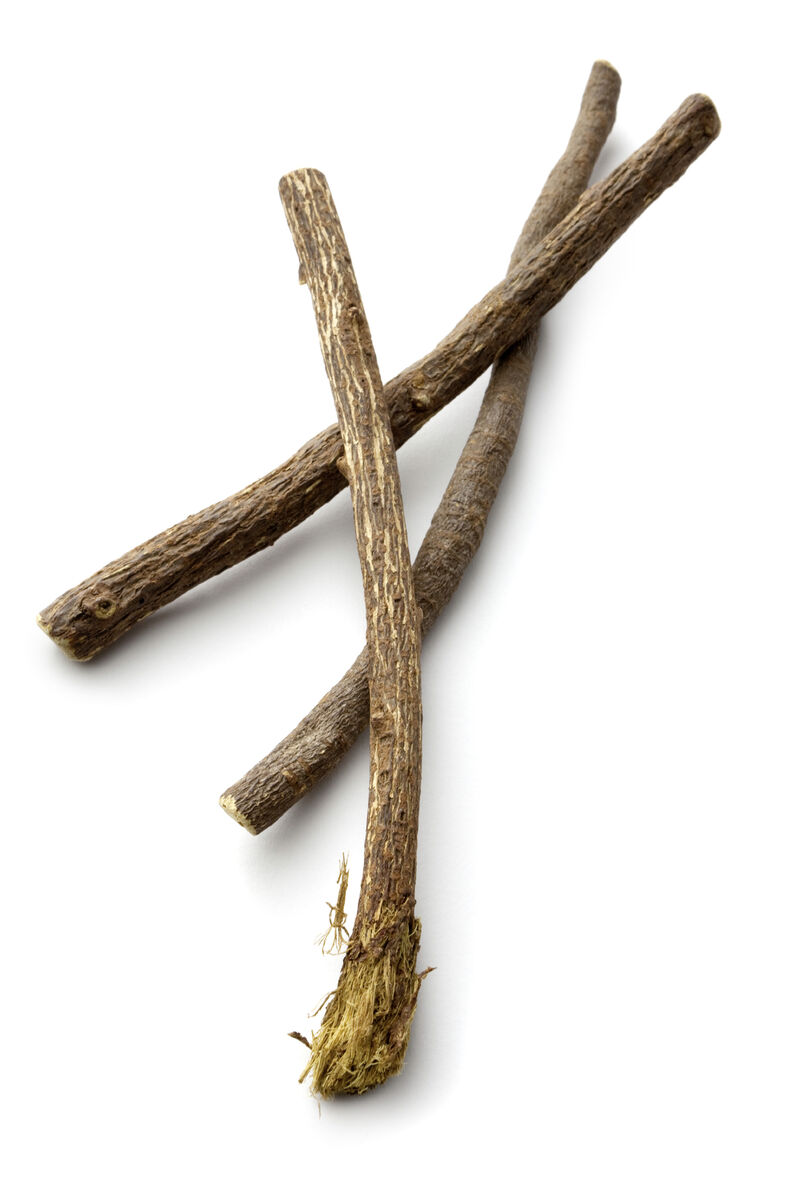
Liquorice is a pick-me-up herbal that helps with fatigue, supports adrenal recovery, and is naturally antibacterial. Other immune-supportive herbs include black elderberry, elderflowers, blackcurrants, ginger root, and medicinal mushrooms.

Medicinal mushrooms can help to support your immune system and balance organ health all year round. Reishi, shiitake, cordyceps, lion’s mane, chaga, and maitake are excellent medicinal mushrooms for recovery and wellbeing.

Combining three or more medicinal mushrooms is ideal since it increases the range of beneficial effects. I prefer taking medicinal mushrooms as a dual extracted powder and drinking it as a hot beverage — they also combine well with cacao, coffee, and slippery elm. You can add honey, spices, or even mushrooms in a broth or stock for a savoury, nourishing drink.

Slippery elm (Ulmus fulva) is an excellent remedy for soothing an inflamed gut. It has been used internally and externally as food and medicine for thousands of years in Ayurvedic, Native American, Traditional Chinese, and western medicine.

You can purchase slippery elm as a powder and mix it with warm or hot water until it forms a paste. Combine with water until it is thick enough to eat with a spoon (like porridge) or thin enough to drink, like a soup or broth. You can add raw honey for additional flavour and healing properties.

It’s a good idea to keep a stash of raspberry leaf tea in your cupboard for future bugs and illness. This versatile herb can be used as a herbal helper for the third trimester of pregnancy and is an effective herbal remedy for gastrointestinal bugs, coughs, colds, and flu.

Brew it up as you would any herbal tea or infusion, using a teaspoon of dried herb per cup of near-boiling water. Steep for five to eight minutes and drink two to three cups daily. Raspberry leaf tea also helps to soothe a sore throat and relieve feelings of nausea.

Liquorice Root helps to support recovery and boost energy levels after an illness

I’ve got my second mouth abscess in a year. I’m rinsing my mouth with a salt-water solution and it’s helping to ease the pain. What can I do to stop the abscess from developing in the first place?

Salt-water rinsing is ideal and I’m glad to hear it is providing relief. Slippery elm (as mentioned in the previous question) is soothing for sore throats, boils and abscesses or as an external drawing poultice.

Slippery elm is also known as a COX-2 inhibitor. COX-2 (cyclo-oxygenase-2) is an enzyme that triggers inflammation in the body. Because of the soothing and demulcent properties of slippery elm, it inhibits the production of this enzyme, reducing inflammation. This simple herbal remedy can be used for a wide range of conditions, from the throat and respiratory tract to the gastrointestinal tract.

Vitamin C and zinc are two essential nutrients you can take internally to speed up the repair of sores and ulcers. Supplemental C and zinc help to stimulate the immune system, reduce healing time, and target tissue repair specifically. This combination is also effective in reducing the risk of infection and helps treat any existing infection.

Take around 2,000-3,000mg of vitamin C daily in 500mg doses. For the zinc, you will need 90-150mg daily until the abscess is healed, then reduce this dosage to 15-30mg daily as a preventative measure.

More in this section

Lifestyle

Newsletter

The best food, health, entertainment and lifestyle content from the Irish Examiner, direct to your inbox.

Cookie Policy Privacy Policy Brand Safety FAQ Help Contact Us Terms and Conditions

© Examiner Echo Group Limited