How turning the heat down or off could pose a grave threat to your health this winter
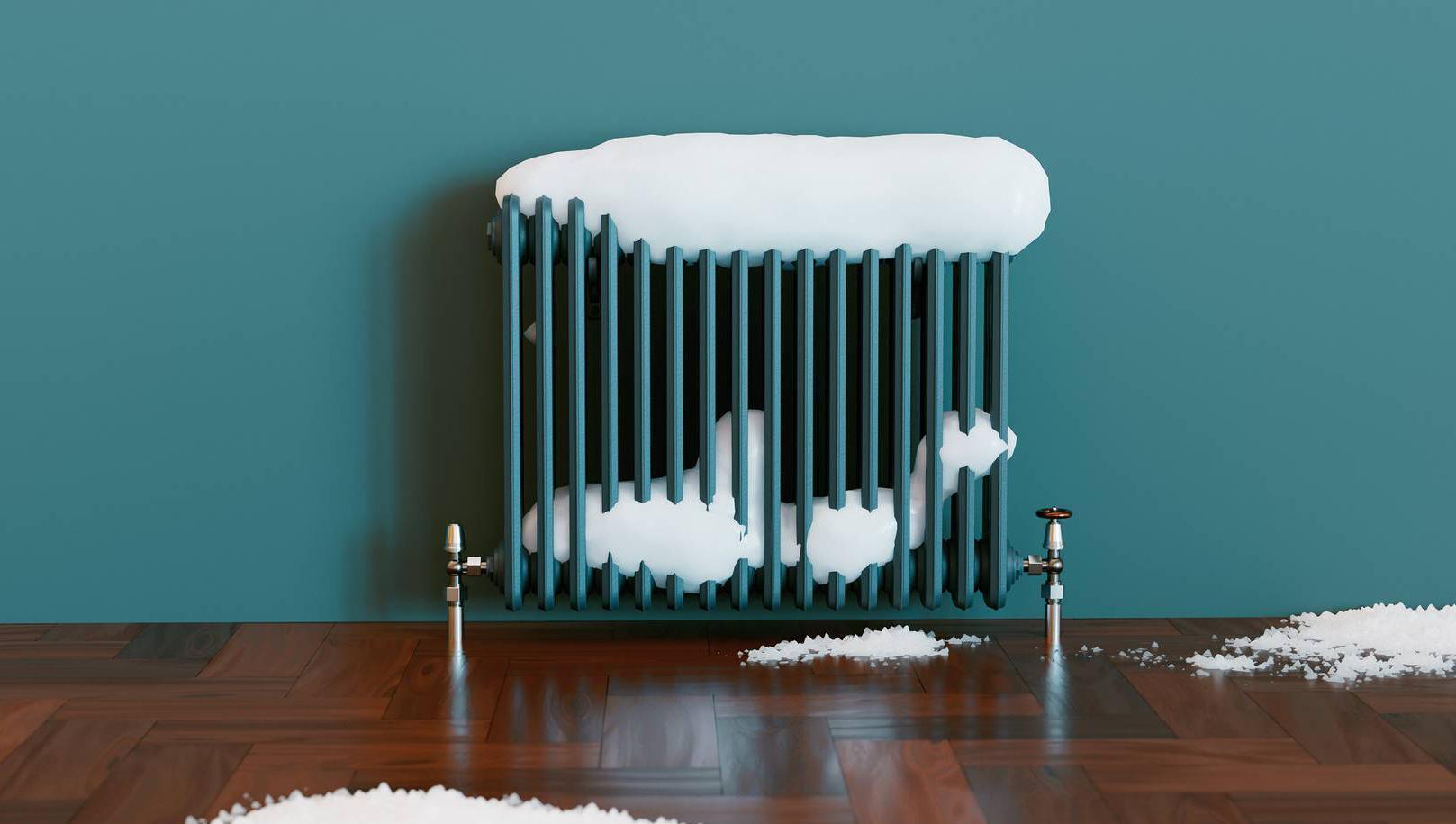
Don't turn the heating off this winter
In the face of rising energy bills, we’ve probably all looked at ways to keep warm at home this winter. An extra blanket or two maybe, or even a coat on freezing days? Or at the risk of chilblains a hot water bottle under your feet?
It’s good we’re planning how to keep warm because turning the heat way down or – perish the thought – turning it off could, while reducing bills, cost us in terms of our health. And for some it could pose a grave threat to health.

“It has huge potential to impact health, particularly for vulnerable people,” says Prof Patrick Goodman, lecturer at Technological University Dublin and researcher in the area of air pollution, climate change and health.
By “vulnerable people”, he means the elderly, those with pre-existing health conditions – such as cardiovascular or respiratory diseases or diabetes, and young children. In Ireland, deaths increase in winter, with CSO data showing higher mortality during colder months, usually peaking in January.
And a study across 14 EU countries found a link between cold homes and excess winter deaths (EWD). The research UCD found Portugal had the highest rates of EWD followed jointly by Spain and Ireland. It concluded that high seasonal mortality could be reduced by improved protection from indoor cold.
“People don’t generally die from hypothermia, but the cold and damp exacerbate stress on the body, where there are existing conditions,” says Prof Goodman.
Consultant cardiologist and Irish Heart Foundation medical director Dr Angie Brown says, for most of us, not having the heat on so often will have no effect – we can keep warm by being active and putting on more clothes.
“Unfortunately, however, for the more vulnerable and in particular, older and immobile people or the very young there may potentially be deleterious heart-health effects,” warns Dr Brown.
She points to research that suggests heart attacks increase when the air temperature falls below freezing. Scientists based at Lund University in Sweden found heart attacks were more common on colder days, as well as days with lower air pressure, high winds and less sunshine.
They also noted that illnesses such as flu and chest infections are more likely to happen during colder weather and said these are known to increase a person’s risk of heart attack.
Explaining how the cold can affect the heart, Dr Brown says superficial blood vessels constrict to conserve heat. “This could result in an increase in blood pressure, which can increase pressure on the heart. In patients whose coronary circulation is already compromised – due to narrowing of the arteries – this extra demand may reduce oxygen supply to the heart and, therefore, [cause] angina or even heart attack.”
Dr Dermot Nolan, GP with a special interest in asthma, is on the advisory council of the Asthma Society of Ireland and says cold is an independent risk factor for asthma exacerbation.
“Asthma is caused by tiny muscles in the lungs contracting down, by the spasming of small airways in the lungs. This can be caused by exposure to pollen and dust mites – but also by cold air hitting the lungs.”
He foresees the energy crisis promoting conditions favourable to the growth of funguses and mould – recognised, he says, as a significant factor in asthma deterioration. “People won’t turn on their dryers as much. They’ll instead dry clothes on radiators and clothes horses. This creates dampness. Fungus and mould tend to grow in that environment, creating particular problems for young children prone to asthma, but for all children to some extent.”
A 2011 report conducted by the Marmot Review Team for Friends of the Earth found children living in cold homes were more than twice as likely to suffer from a variety of respiratory problems than children living in warm homes.
Dr Nolan predicts an upsurge in the circulation of viruses, again due to the energy crisis. “We always advise people with respiratory conditions or asthma to keep their home well-ventilated.
“What will happen now is people won’t open windows for ventilation because they’ll be taking every measure to conserve heat. That will make the spread of viruses rampant in our homes and will adversely affect people with asthma and conditions like chronic bronchitis, COPD and cystic fibrosis.”

Elderly people don’t tolerate cold well – and they can be hugely cautious about turning on or up the heat.
Explaining why they’re at particular risk during this heat-strapped winter, Dr Nolan says: “Ireland has quite a high rate of malnutrition in the elderly. And they often don’t sense the cold very well – their thermal regulation system is often not that great. They can be very cold and not be fully aware of it.”
Earlier this year, the Institute of Public Health (IPH) pointed to an HSE/Energy Action Ireland Study, which found dementia deaths in Ireland in winter were 26% higher than in summer. Aideen Sheehan of the Ageing and Public Health section at IPH said this may be due partly to “loss of sensory perception of cold, poor eating habits and weight loss, low levels of physical activity, being inappropriately dressed and difficulty managing heating controls or buying fuel.”
Just last week, Polio Survivors Ireland issued a stark warning that the health, and potentially the lives, of those living with polio could be at risk this winter as a result of rising energy costs.
With more than 1,000 polio survivors in Ireland, the organisation said this group experiences extreme intolerance to cold – putting them at risk of hypothermia – and that this means they have to take extra measures to remain warm at all times.
“Even in summer, polio survivors have to light fires and wear extra layers of clothing. Heating is essential. Without it, many survivors would have to stay in bed all day to stay warm, or cut back on food to pay energy bills.
“Polio survivors also can’t use hot water bottles as they may experience numbness [due to] polio and post-polio syndrome. This can result in survivors suffering severe skin burns.”
The Friends of the Earth 2011 study found mental health is negatively affected by fuel poverty and cold housing for any age group.
It also found more than one in four adolescents living in cold housing are at risk of multiple mental health problems – compared to one in 20 adolescents who’ve always lived in warm housing.
Fiona O’Malley, CEO of mental health charity Turn2Me, says there can be a social stigma associated with not being able to afford basic household bills. “This can lead to embarrassment, shame and feelings of worthlessness. And it can in turn lead to an increase in stress, anxiety, and worry about what the future might hold.”
Prof Goodman has this advice, particularly for older people: “Don’t get cold or go without food. Wear an extra layer or warmer clothing. Heat the room you’re in most of the time. Do things to keep you active and moving – go out to a shopping centre or public building.”
Dr Brown advises all of us to “keep mobile, have a healthy diet with regular hot food and drinks, stop smoking, reduce alcohol intake and get your routine health check to ensure blood pressure, cholesterol and blood sugar are all normal”.
- Daytime temperate needs to be in the 19-21°C temperature range for occupied rooms. And 18°C is the recommended nighttime bedroom temperature.
- Close curtains when it’s getting dark. Tuck them behind the radiator and shut doors to rooms you use most to keep heat in.
- Stay warm with a hot water bottle or electric blanket – but don’t use both at the same time.
- Have regular hot drinks and eat at least one hot meal a day. Eating regularly helps keep energy levels up during winter.
Source: Centre for Sustainable Energy